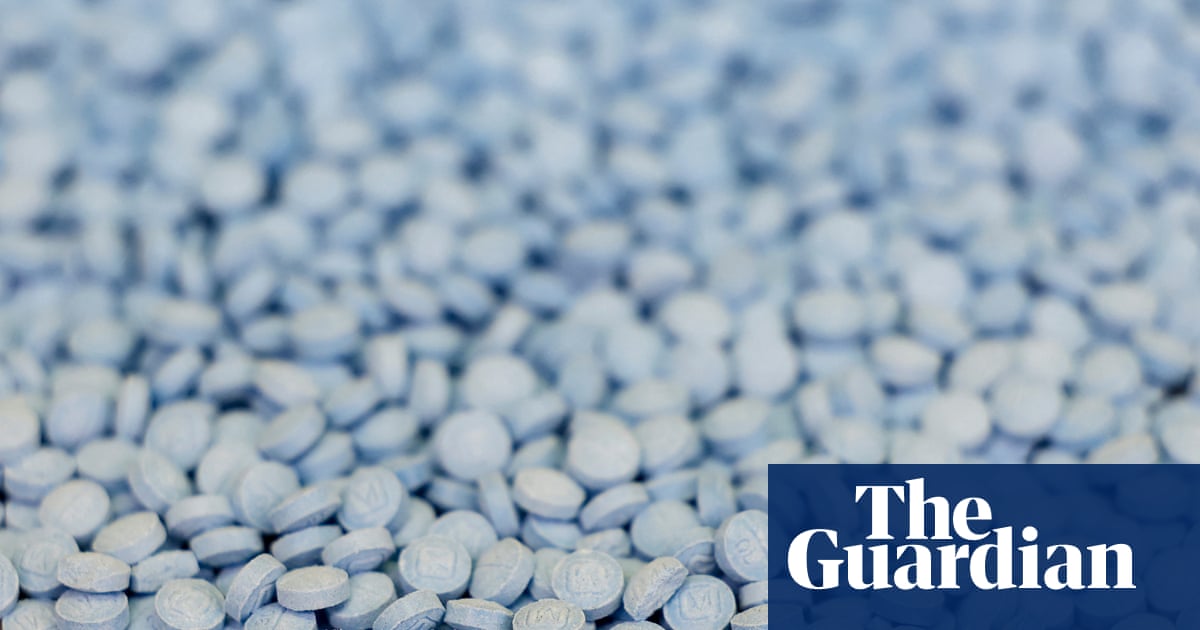
For the first time in years, fentanyl overdose deaths across the United States have plummeted—down by more than a third since mid-2023—and a growing body of evidence suggests an unexpected partner may deserve credit: China's intervention in its own chemical supply chain.
The crisis that has claimed tens of thousands of American lives has long been a raw point in US-China relations, with Washington repeatedly accusing Beijing of allowing its chemical industry to supply the precursors needed to manufacture the potent synthetic opioid. But now, researchers are discovering that some of China's efforts to disrupt that supply chain may have actually worked, creating what one expert calls a genuine "supply shock" that has rippled across North American drug markets.
"There was a supply shock: the purity of fentanyl fell," said Keith Humphreys, a professor at Stanford University. "The question is why was there a supply shock. And most indicators point to China." In a study published in Science, Humphreys and his co-authors documented a dramatic collapse in fentanyl purity seized by US law enforcement—from May 2023 through the end of 2024—that mirrors the timing of falling overdose deaths. The pattern is strikingly similar in Canada, which sources its fentanyl precursors from the same place as the United States, suggesting the cause originates in China rather than from domestic factors.
The evidence is circumstantial but compelling. Investigators found reports from 2024 of cartel drug cooks struggling to obtain precursors, while strange new adulterants began appearing in street fentanyl, indicating they were experimenting with alternative synthesis methods to compensate for supply disruptions. The US government's own 2025 National Drug Threat Assessment acknowledged that Chinese government efforts had contributed to addressing the American fentanyl problem, while Liu Pengyu, spokesperson for the Chinese embassy in Washington, stated that China was "glad to see fentanyl overdose deaths had decreased."
What's particularly notable is that this turning point began in summer 2023, during the Biden administration, before the Trump administration elevated fentanyl to a top foreign policy priority and designated trafficking organizations as foreign terrorist entities. The shift suggests that something fundamental changed in China's enforcement of its own chemical export controls and regulations—though pinpointing which specific Chinese interventions made the difference remains difficult.
Henrietta Levin, who directed China policy on Biden's National Security Council, believes the pressure on Beijing worked. "I think China could have done more," Levin said. "But what they did do mattered." Still, she emphasizes that true progress requires deeper commitment: China would need to change laws to make drug trafficking easier to prosecute and strengthen its commerce ministry's oversight of chemical companies actually enforcing the export restrictions they've announced.
The cautionary note underlying this breakthrough is sobering. History shows that supply shocks, however welcome, are temporary. When China banned fentanyl outright in 2019, traffickers simply pivoted—importing precursors through Mexico's cartels instead, which almost entirely replaced their previous heroin trade. As Nabarun Dasgupta, director of the University of North Carolina's opioid data lab, warns: "There's a kind of myopia here. That time, the geopolitics of it backfired." The current progress, however real, may prove fragile without sustained cooperation and enforcement on both sides.