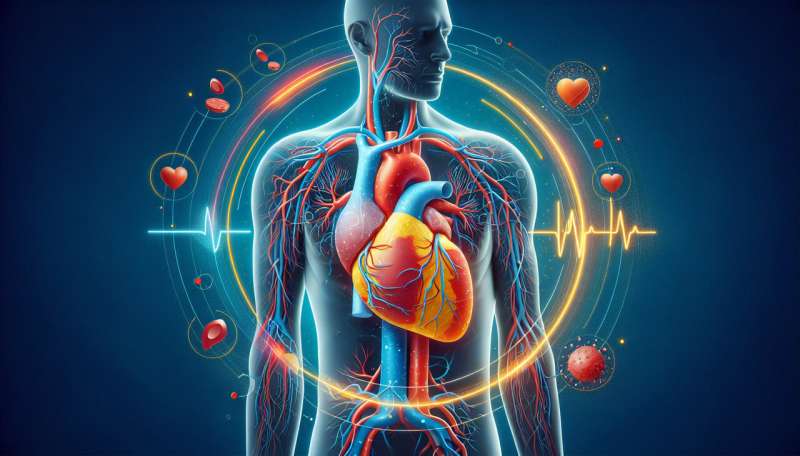
Dr. Julia Grapsa, a cardiologist who spent two decades treating patients across Europe, has witnessed the same troubling pattern repeat: women arriving at hospitals with heart symptoms that doctors overlook, dismiss, or misdiagnose—often with fatal consequences. Now, leading a team of international experts on behalf of the European Society of Cardiology, Grapsa is calling for Europe to establish dedicated women's heart centers, a structural solution to a crisis of inequality hiding in plain sight.
Heart disease kills more women than any other condition globally—three in ten women—yet remains critically underdiagnosed and undertreated. The disparity isn't random. Women's cardiovascular symptoms are routinely missed, they receive guideline-recommended treatments less frequently than men, and they are dramatically underrepresented in the clinical trials that shape medical practice worldwide. Adding another layer of risk, women face unique heart disease triggers that men do not: pregnancy complications, early menopause, and autoimmune diseases. Standard risk assessments ignore these entirely.
The evidence for change is already visible in North America and scattered European pockets. A women's heart center in Canada has diagnosed over 70 percent of women who arrived with previously unexplained cardiac symptoms—women who likely would have left undiagnosed in traditional settings. That precision translates into fewer emergency hospital admissions in the years that follow. Switzerland, Germany, and the United Kingdom have launched their own women's heart centers or specialized programs, each demonstrating that when diagnosis improves, so do outcomes and quality of life.
The new consensus statement, published in the European Heart Journal, provides a practical blueprint for building these centers across Europe's diverse healthcare systems. They should function as hubs within existing cardiovascular facilities, offering advanced diagnostics, expert consultation, research coordination, and education—not replacing general cardiology but specializing in the cases that fall through cracks. Women with heart attacks, angina, or reduced blood flow where traditional imaging fails to reveal blockages need these centers. So do pregnant women with cardiovascular complications like preeclampsia, and women whose heart problems emerge from or are worsened by menopause.
The authors, led by Grapsa and including Dr. Martha Gulati, director of the Davis Women's Heart Center at Houston Methodist, are clear-eyed about what this requires. Medical curricula must shift to include fundamental knowledge on women's cardiovascular health for all cardiologists, with advanced training for those specializing in women's heart centers. The centers themselves must be continuously audited, generating data that demonstrates their impact, secures funding, and drives ongoing improvement.
This isn't about creating separate-but-equal medicine. Rather, it's about closing gaps in knowledge and practice that have allowed cardiovascular disease to kill women at disproportionate rates while remaining undertreated. As Grapsa says, "Closing these gaps is not just a matter of equity but a matter of appropriateness of care." When diagnosis improves and women receive treatments matched to their unique cardiovascular risks, entire healthcare systems benefit. Europe now has a roadmap.