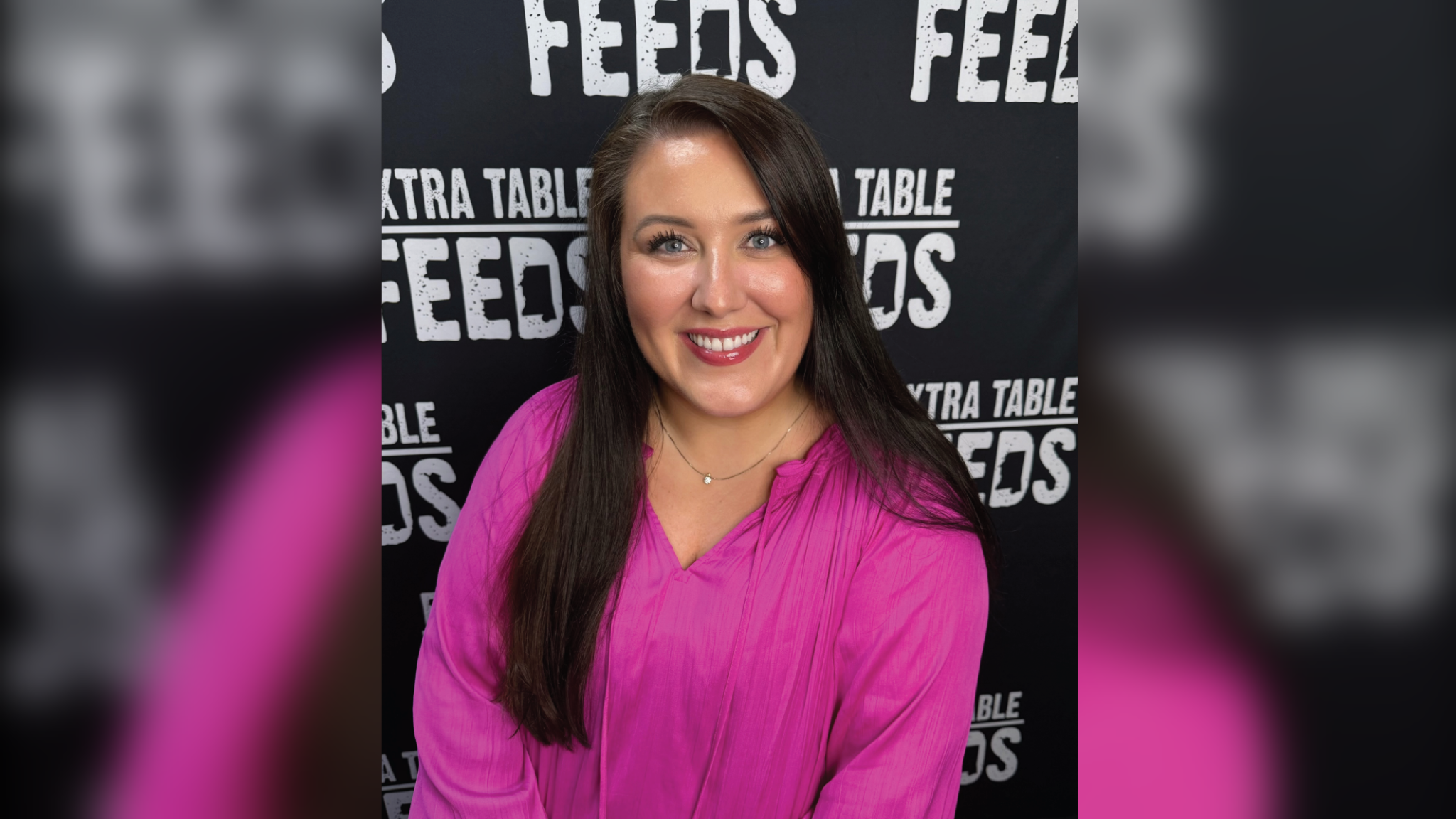
In Mississippi, where food insecurity touches thousands of families, a nonprofit born from a restaurateur's conviction has quietly grown into a lifeline—and this month, it's taking a decisive step forward. Extra Table FEEDS, founded by chef Robert St. John in 2009, has just hired Lilly Williams as its Director of Development, marking the addition of the organization's third full-time employee and a signal that the statewide food bank is ready to scale its impact even further.
The significance of this moment sits in a simple paradox: Extra Table FEEDS delivers more than $95,000 worth of food monthly to 66 food pantries across Mississippi without accepting a single dollar of federal funding. That independence is both a point of pride and a constant challenge. Every meal that reaches a soup kitchen or food pantry depends entirely on the organization's ability to raise private dollars. Now, after 16 years of operation, Extra Table FEEDS is doubling down on that mission by bringing in Williams, a Jackson resident with eight years of community ties and deep experience in development and fundraising work.
"Meals matter, and dollars make the difference," said Martha Allen, Executive Director of Extra Table FEEDS, in explaining the hire. That philosophy captures the organization's entire approach: they don't accept government money, so they must be relentless about cultivating donors, corporate partners, and community supporters. Williams, who grew up in the Washington, D.C. area and is an active member of First Baptist Church Jackson and the Junior League of Jackson, brings both local rootedness and professional expertise to that challenge.
The expansion arrives at a moment when food insecurity remains a persistent problem across Mississippi. The state continues to grapple with one of the highest rates of food insecurity in the nation, affecting children, elderly citizens, and working families alike. By distributing $95,000 worth of food each month through a network of 66 partner pantries, Extra Table FEEDS addresses a gap that government programs alone have not closed. The organization's decision to remain entirely free of federal support is unusual—it means the nonprofit must cultivate every dollar through private fundraising—but it also gives them complete autonomy in how they operate and which communities they serve.
Williams expressed her enthusiasm for joining the effort with genuine warmth: "Feeding children and families is one of the most important things we can do for our communities, and I am excited to meet supporters, partners, and pantry leaders across the state." Her role will involve traveling that landscape, building relationships, and making the case for sustained private investment in an organization that has proven it can turn donations into consistent, meaningful impact.
For an organization that has never accepted federal funds and has operated lean for over a decade and a half, the addition of a full-time development director signals confidence in what comes next. As more Mississippians face economic pressures, Extra Table FEEDS is betting that with the right leadership in place, they can grow their reach—proving that private philanthropy, when matched with clear purpose and operational discipline, can address hunger at scale.