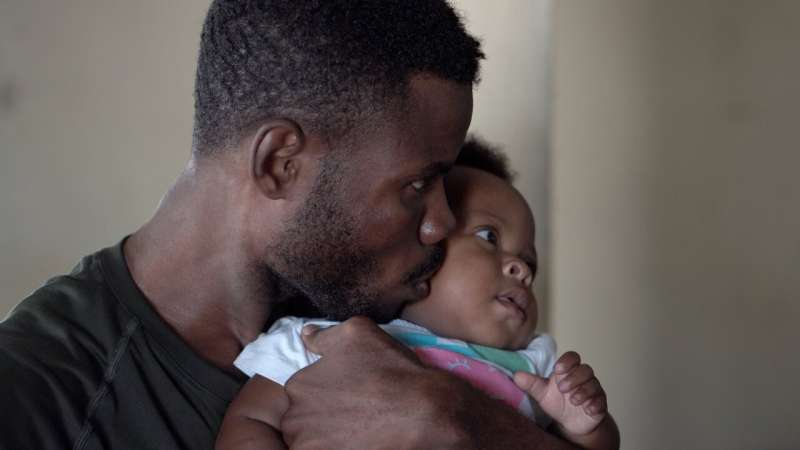
When John James Parker, MD, a pediatrician at Northwestern University Feinberg School of Medicine, and his research team analyzed four decades of health data from Black and white men, they uncovered something unexpected: fatherhood appears to be protective against premature death for Black men in a way it isn't for white fathers. The finding, published in the American Journal of Public Health, upends assumptions about how parental roles influence mortality and opens new questions about identity, health, and family systems.
The study enrolled 1,648 men with complete fatherhood data, all of whom were between 18 and 30 years old at baseline in 1985–86. Researchers followed them into midlife, tracking not just mortality but also cardiovascular health using the American Heart Association's Life's Essential 8 framework—a comprehensive measure that includes both behaviors like diet and physical activity and health factors like blood pressure and glucose levels. Black men who became fathers showed lower rates of all-cause mortality compared to their peers who remained childless. That protective effect simply didn't appear among white fathers, a racial difference that surprised even the researchers.
"Fatherhood is increasingly recognized as a social influencer of health, but we were surprised to uncover racial differences in health outcomes of fathers, especially in relation to early death," Parker said. The finding invites deeper investigation into how fatherhood may operate differently across racial communities—whether through social structures, psychological resilience, family dynamics, or other pathways still to be understood.
The story grows more complex, however, when age enters the picture. Men who became fathers before turning 25 showed a darker trajectory. Black men who entered fatherhood early faced significantly higher risk for all-cause mortality by midlife, while young white fathers were more likely to develop poor cardiovascular health as they aged. The research underscores what Parker calls "an important opportunity to intervene with young fathers," to educate them about health-promoting behaviors and connect them with social supports. "Ultimately, we need to raise awareness among young fathers that their health impacts the well-being of the entire family," he noted.
The work was led by Parker alongside Craig F. Garfield, MD, MAPP, and Clarissa D. Simon, Ph.D., MPH, all from Lurie Children's Hospital and part of the Family & Child Health Innovations Program (FCHIP). Their mission extends beyond epidemiology—they aim to advance children's well-being by understanding how parents in diverse family contexts contribute to health and development. In that sense, this study is both a portrait of data and an invitation: if fatherhood can protect health in some populations, what systems and supports might unlock that protection more broadly? And what does it tell us about how we've underestimated the power of family roles in shaping the long arc of a life?