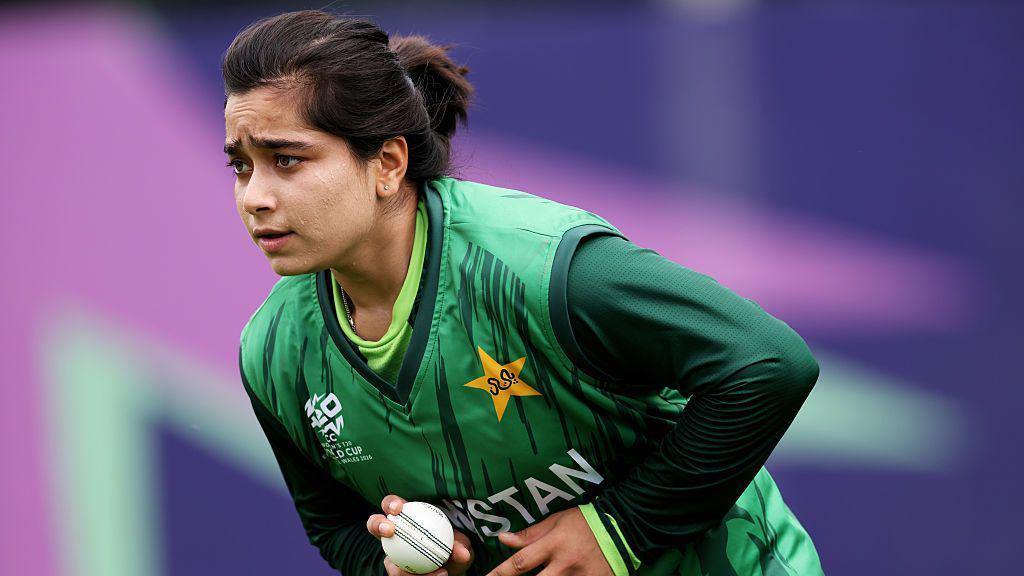
Fatima Sana stepped onto the English pitch in July 2024 not just as a cricketer, but as a pioneer—becoming the first woman from Pakistan ever selected to play in The Hundred, the UK’s bold, fast-paced cricket competition. Wearing the blue of Birmingham Phoenix, her inclusion as a wildcard pick sent ripples through the global cricket community, symbolizing both personal triumph and a broader opening of doors for women athletes from South Asia. At just 25 years old, Sana, a left-arm pacer and rising star for Pakistan’s national team, brings not only skill but a powerful message: the game is no longer bound by old geographic or gendered lines.
Cricket has long been a unifying force across the Commonwealth, yet women from certain regions—especially Pakistan—have struggled to gain visibility on elite international stages. The Hundred, launched in 2021 to attract younger audiences with its streamlined format and city-based franchises, has increasingly become a platform for inclusion. Sana’s selection follows years of advocacy for gender equity in sports and comes at a time when women’s cricket is experiencing unprecedented growth, with record viewership and investment. Her presence in the league challenges stereotypes and inspires a new generation of girls in Pakistan, where women’s sports still face cultural and institutional barriers.
Sana’s journey to Birmingham was anything but straightforward. Hailing from Lahore, she honed her craft in local academies with limited resources, eventually earning her national debut in 2019. Since then, she’s taken 42 wickets across formats and become a key figure in Pakistan’s T20I squad. Birmingham Phoenix’s decision to pick her was both strategic and symbolic—she joins a squad that includes young English talents like Mary Taylor and seasoned professionals like Tom Helm. Her role as a left-arm seamer adds depth to the team’s bowling attack, but her broader impact transcends statistics.
This milestone is more than a personal achievement; it’s a signal of shifting tides in international sport. The England and Wales Cricket Board (ECB) has emphasized diversity in recent years, and Sana’s inclusion aligns with broader efforts to make cricket truly representative. Her presence on a high-profile stage like The Hundred offers visibility that can translate into funding, sponsorships, and grassroots participation back home. For young girls watching from cities like Karachi or Islamabad, seeing Fatima Sana in a Birmingham jersey says: you belong here too.
As the tournament unfolds, Sana’s every delivery will be watched not just for its pace or swing, but for what it represents—a boundary broken, a path forged. And with more franchises likely to follow Birmingham Phoenix’s lead, her debut could mark the beginning of a new era in cricket, where talent, not origin, determines opportunity.