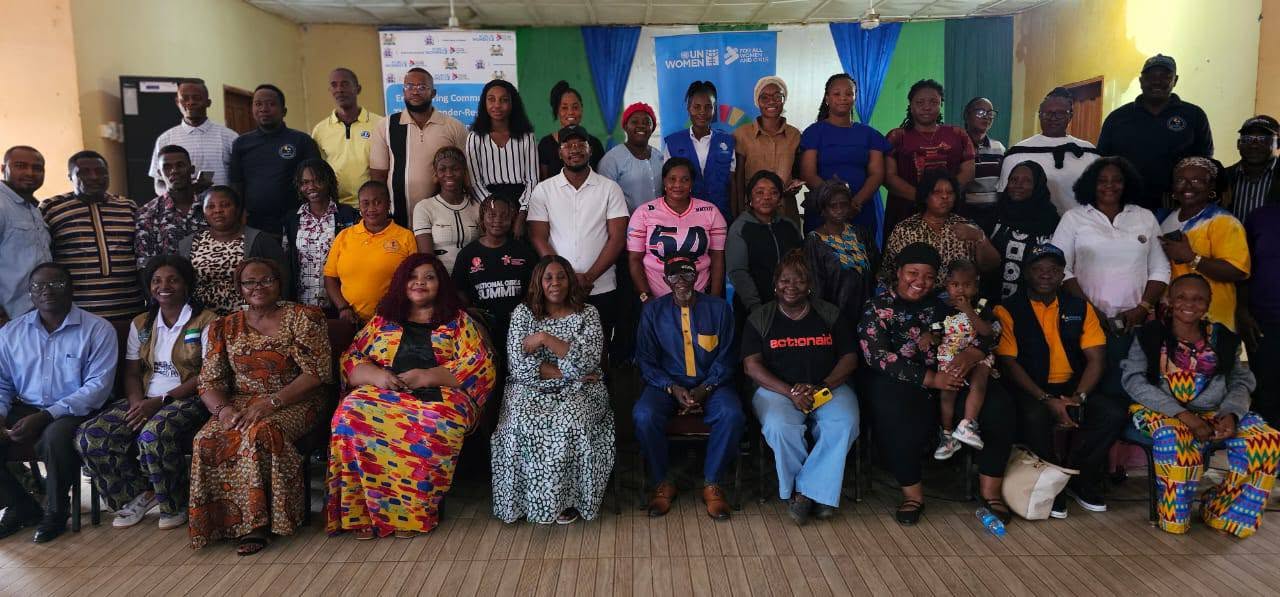
When representatives gathered in Sierra Leone this past July, they came with a shared goal: make life better for women and marginalized groups in five coastal districts. On July 15, 2026, a new project called "Empowering Communities through Gender Responsive Local Governance" officially moved from planning to action, funded entirely by the Government of Iceland and backed by UN Women.
The initiative brings together a team of local and international partners, including Sierra Leone's Ministry of Gender and Children's Affairs, Local Councils, and the Forum for African Women Educationalists, known by its short name, FAWE Sierra Leone. Together, they will work in five districts: Kambia, Western Area Rural, Moyamba, Bonthe, and Port Loko, all coastal areas where women and marginalized groups often face the biggest barriers to opportunity.
The project grew from months of conversations. During the planning phase, district council leaders, paramount chiefs, ministry representatives, civil society groups, women's organizations, youth advocates, and people with disabilities all took part in meetings. These gatherings helped everyone understand the project's goals and build a sense of shared ownership over what comes next.
FAWE Sierra Leone, which represents women educators across the country, played a leading role in these discussions. The organization said its members across the five target districts showed "exceptional competence, professionalism, and readiness" to lead the work ahead. Their experience, the group noted, puts the team in a strong position to create lasting change.
So what will this look like on the ground? The project has three main goals. First, it will strengthen local councils so they can provide services that work for everyone, regardless of gender. Second, it will improve how communities respond to gender-based violence. Third, it will create more economic opportunities for women and young people in these districts.
As fieldwork begins, FAWE Sierra Leone thanked the Government of Iceland for making the project possible. "Together, we can create stronger institutions, empower communities, and ensure that no woman or marginalized group is left behind," the organization said in a statement.
For communities in Kambia, Moyamba, and the other districts, the real test will come in the months ahead as plans turn into programs, trainings, and support for the people who need it most.