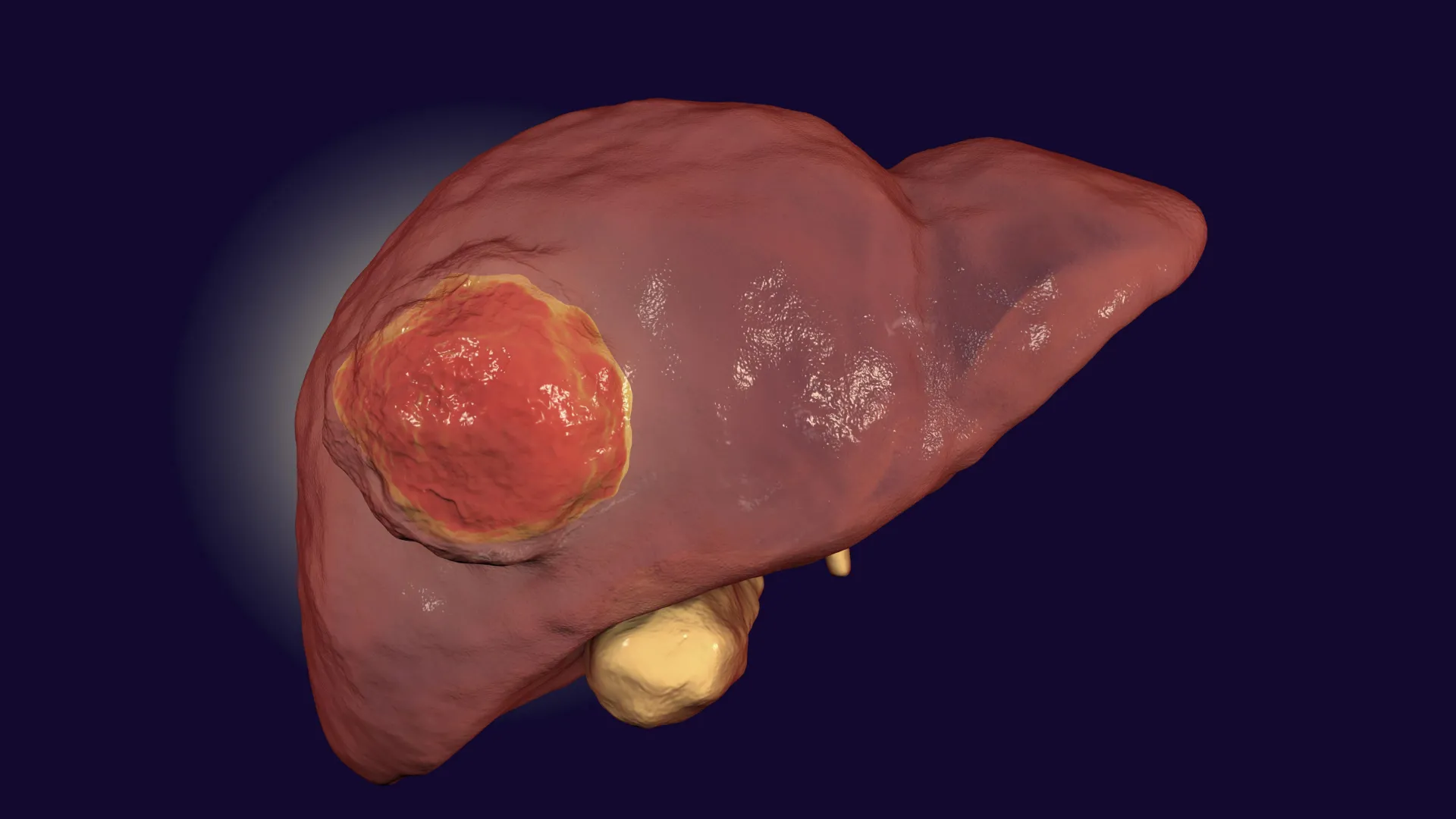
Andreas Stephanou was peering into the genetic soul of a tumor when he saw something no one had noticed before: immune cells, not attacking cancer, but stranded in fibrous labyrinths deep inside a liver tumor. His discovery, made alongside a team of researchers from Cornell and the University of Washington, could change the course for patients with fibrolamellar carcinoma—a rare, relentless cancer that afflicts young people and has long defied treatment. This cancer, which makes up just 2% of all liver tumors, often spreads before diagnosis and carries a grim prognosis, with no cure in sight. But now, a new study published in Gastroenterology reveals how the disease hides from the immune system—and how an existing FDA-approved drug might help bring it into the line of fire.
The breakthrough centers on a phenomenon called T-cell exclusion. Normally, immunotherapies like immune checkpoint inhibitors work by waking up T cells and sending them into tumors to destroy cancer cells. But in fibrolamellar carcinoma, these immune soldiers never reach their target. Instead, they’re lured away by signals from altered stellate cells—liver cells hijacked by the tumor. These cells produce the dense, fibrous bands that give the cancer its name and simultaneously secrete chemical signals that trap T cells in place. The result is a fortress-like tumor, shielded from immune attack.
Using single-nucleus transcriptomics, a cutting-edge technique that maps gene activity in individual cells, the team uncovered this deception in unprecedented detail. "It wasn't until we were able to use this technology that the picture of the tumor microenvironment began to clear up for us," said Stephanou, a co-first author and Cornell graduate student. The solution emerged from an unexpected source: AMD3100, a drug already approved for patients with blood disorders. When applied to slices of human fibrolamellar tumors in the lab, AMD3100 blocked the signals trapping T cells. The immune cells broke free, flooded into the tumor core, and—when combined with immunotherapy—delivered a powerful blow to cancer cells.
"Our results provide among the first indications of why immune checkpoint inhibition hasn't worked well in these patients," said Dr. Praveen Sethupathy, professor at Cornell and co-senior author of the study, alongside surgical oncologist Dr. Venu Pillarisetty of the University of Washington. The findings suggest a ready-made strategy: repurpose an existing drug to dismantle the tumor’s defenses. While clinical trials are still needed, the fact that AMD3100 is already FDA-approved could accelerate its path to patients.
For a disease that strikes mostly children and young adults with few options, this discovery offers more than data—it offers momentum. Science is beginning to unravel the stealth tactics of rare cancers, and in doing so, it’s opening doors where there were once walls.