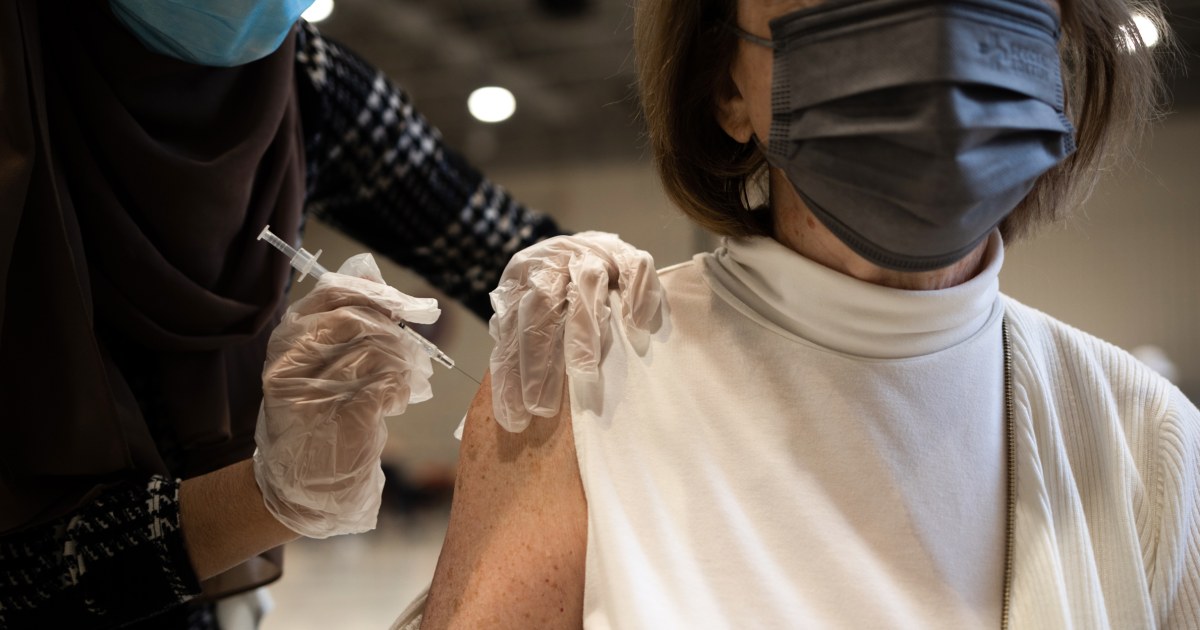
When 72-year-old retiree Margaret Holloway received her annual flu shot last winter, she never imagined that next year’s vaccine might be made with the same mRNA technology that helped end the worst days of the pandemic. But thanks to a unanimous recommendation from the FDA’s Vaccines and Related Biological Products Advisory Committee, adults 50 and older in the U.S. could soon have access to mFlusiva, Moderna’s groundbreaking mRNA flu vaccine—potentially marking a turning point in how we fight seasonal influenza. If approved, it would be the world’s first mRNA flu shot, offering a faster, more responsive alternative to traditional vaccines that have long struggled to keep pace with a constantly evolving virus.
Flu vaccines today are developed months in advance, based on predictions of which strains will dominate. By the time they reach clinics, the virus may have already mutated, reducing effectiveness. But mRNA technology changes that equation. Moderna says mFlusiva can go from strain selection to rollout in just two to three months—less than half the time of conventional shots. In a late-stage trial, the vaccine demonstrated about 27% greater efficacy than standard flu vaccines in adults 50 and older, a group that accounts for the majority of flu-related hospitalizations each year. Dr. Lisa Grohskopf of the CDC’s flu division reminded the panel that hundreds of thousands of Americans are hospitalized annually due to influenza, underscoring the urgent need for better protection.
The advisory committee voted to recommend approval for two age groups—adults 50 to 64 and those 65 and older—with a post-marketing requirement for Moderna to conduct an additional clinical trial in the older cohort. This cautious step followed debate over the trial’s design, particularly Moderna’s decision to compare mFlusiva to a standard-dose flu shot rather than the high-dose version recommended for seniors. Despite initial resistance from the FDA—which briefly rejected Moderna’s application before reversing course—the panel ultimately embraced the vaccine’s potential. “I think that this platform adds exciting ways we can actually move our vaccines into the future,” said Dr. Hayley Altman-Gans, a pediatrician at Stanford University Medical Center and committee member.
Still, hurdles remain. The FDA must formally approve the vaccine, and the CDC’s advisory committee—which typically issues usage guidelines—has been blocked from meeting by a federal judge. Moreover, the Department of Health and Human Services, under Secretary Robert F. Kennedy Jr., has shown skepticism toward mRNA technology, even canceling nearly $500 million in mRNA research funding last year. With no permanent FDA commissioner or vaccine chief in place, the final decision rests with acting officials—Karim Mikhail, now leading the vaccine division, and Kyle Diamantas, the acting commissioner.
Yet momentum is building. Since 2025, the FDA has approved updated mRNA Covid vaccines twice, signaling continued confidence in the platform. If mFlusiva clears the final barriers, it won’t just protect millions—it could redefine how we prepare for flu season.