Australia's arts sector is about to receive its clearest signal yet of government commitment: a $1.1 billion package in the 2026–27 Federal Budget, with $4.6 billion allocated across the forward estimates. The Albanese Government's investment reflects a deliberate strategy to strengthen creative institutions, amplify First Nations voices, and navigate a screen industry facing unprecedented global pressures.
Creative Australia, the engine room of the government's national cultural policy Revive, sits at the heart of this investment. The agency will see its base appropriations rise by $14.7 million, climbing from $311.8 million in 2025–26 to $326.5 million next financial year. That translates to total expenses of $339.3 million, including $286.9 million in grants and investment programs. More concretely, the agency has set targets to support 525 artists and organisations to create new work, while directing $35 million toward First Nations artists and organisations. These commitments come as Creative Australia's workforce grows modestly, from 159 to 163 staff members, helping deliver new initiatives including Music Australia, Writing Australia, First Nations Arts, and Creative Workplaces.
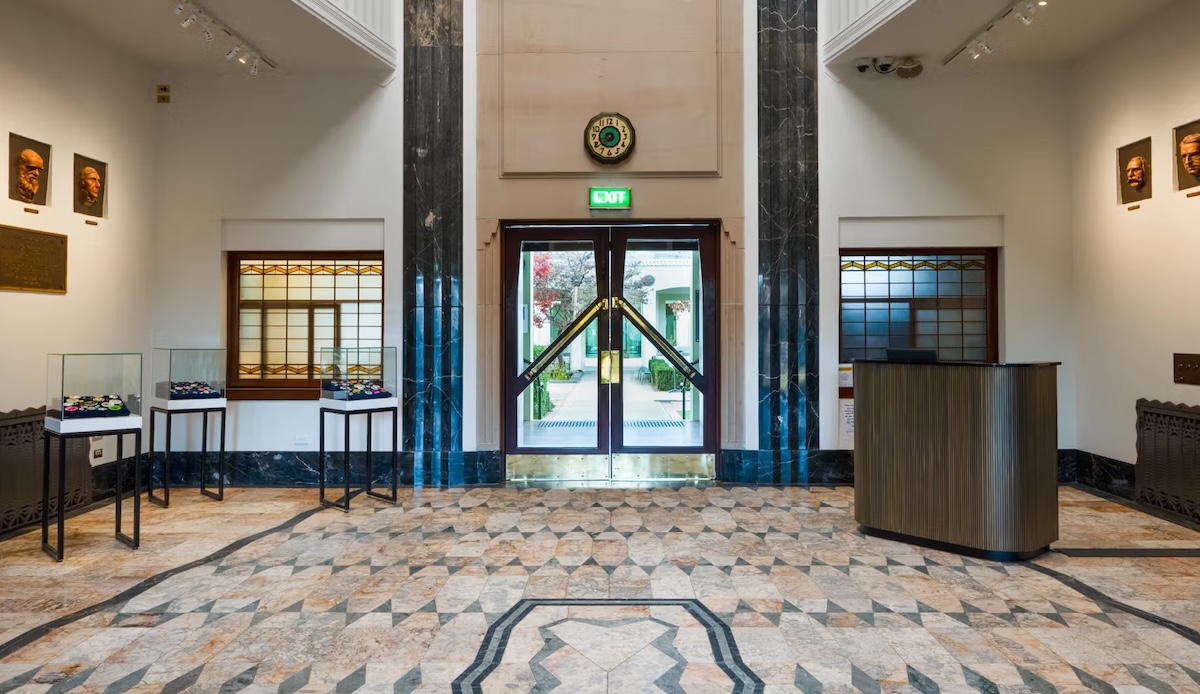
Museums and collecting institutions emerge as major winners. The Australian National Maritime Museum in Darling Harbour will receive $10.1 million over two years for urgent repairs, addressing deferred maintenance at the iconic waterfront venue. The National Film and Sound Archive of Australia gets $9.9 million over three years—a critical investment in preserving Australia's cultural memory by improving storage for volatile nitrate-based film materials that pose both preservation and safety risks. The Museum of Australian Democracy will receive $3 million for centenary commemorations marking 100 years since Old Parliament House opened its doors.
Yet beneath the headline numbers lies a more complex picture. While some institutions expand, others face constrained staffing. The National Film and Sound Archive's average staffing will decline from 256 to 226, while the National Museum of Australia will drop from 257 to 216. These reductions highlight the tension between growing demand and tightening operational budgets—a reality even flagship institutions must navigate.
Screen Australia presents its own balancing act. The agency will receive $113.6 million in total resourcing for 2026–27, a slight decrease from the previous year's $114.3 million. Budget papers acknowledge "significant structural change" across local and international screen industries, citing rising production costs, consolidation among global streamers and broadcasters, and intensifying international competition for production incentives. The independent production sector has been particularly squeezed, with widening financing gaps and declining commissioning activity. Despite these headwinds, Screen Australia will fund 225 new Australian screen projects and direct $58 million toward production investment, while prioritising First Nations storytelling, direct-to-audience content, and digital games development.
The budget also signals longer-term planning. The government is channelling a second $25 million instalment toward The Fox contemporary art museum in Melbourne's Arts Precinct and contributing an initial $5 million toward a new Aboriginal Cultural Centre in Perth. The Office for the Arts will receive $900,000 to develop a potential new National Arts and Culture Strategy—crucial groundwork as Revive, the current policy framework, expires in 2027.
What emerges is a budget that doubles down on cultural investment while acknowledging the sector's real constraints. First Nations artists, museums, and storytellers receive unprecedented focus, yet staffing pressures and competitive global dynamics mean Australia's creative institutions must do more with careful, strategic deployment of resources.