On Thursday, environmental groups took the U.S. government to court over a promise it has kept for fifty years—one that should have protected whales, dolphins, and porpoises from deadly fishing nets across the world's oceans.
The Marine Mammal Protection Act of 1972 was crystal clear: foreign fisheries selling seafood to American consumers must meet the same environmental standards that U.S. fishers do. The logic was sound. Congress recognized that marine mammals don't respect borders, and neither should protection. Yet for decades, the National Marine Fisheries Service simply ignored the law, allowing seafood from countries with inadequate safeguards to flow freely into American markets.
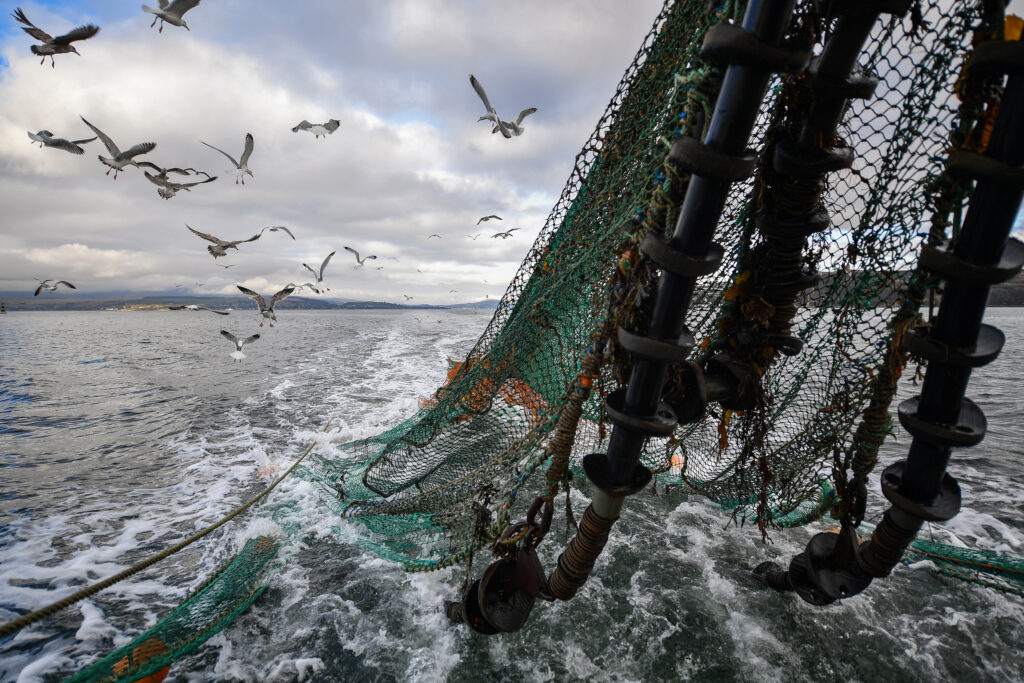
Earthjustice filed the lawsuit Thursday on behalf of four groups—the Natural Resources Defense Council, the Animal Welfare Institute, the Center for Biological Diversity, and others—challenging seafood imports from eight nations: Argentina, Ecuador, India, Norway, Taiwan, Tunisia, the United Kingdom, and Vanuatu. Commercial fisheries in these countries, the suit alleges, kill thousands of marine mammals annually using gillnets, longlines, and trawlers that trap and drown animals as incidental "bycatch."
The scale is staggering. According to Sarah Uhlemann, a staff attorney with the Center for Biological Diversity, bycatch kills approximately 650,000 marine mammals every year—whales, dolphins, and porpoises—making it the single greatest threat these animals face. "It's not intentional," Uhlemann said, "but it still kills 650,000 marine mammals a year."
What makes the U.S. government's inaction so glaring is the disconnect between domestic and foreign accountability. U.S. fishers must implement seasonal closures, robust reporting on marine mammal populations, and strict limits on what they can catch. Yet foreign competitors face no such requirements, even when selling identical products to the same American consumers. "We have domestic fishers that invest an incredible amount of time and resources to do right by the law," said Zak Smith, an attorney with the Natural Resources Defense Council. "They're at a competitive disadvantage against the countries that aren't being held accountable."
The numbers underscore just how much is at stake. The United States imports seafood worth billions of dollars from 140 nations, and approximately 80 percent of the seafood consumed domestically is imported. This dependency makes enforcement of existing laws not just an environmental imperative but an economic one.
The lawsuit focuses on countries that Uhlemann says lack key components of marine mammal protection: they don't know how many marine mammals inhabit their waters, they haven't set catch limits, or they don't monitor populations. These gaps aren't technical oversights—they're fundamental failures of stewardship that leave marine animals defenseless.
The case arrives as shark populations face a parallel crisis. Earlier this month, the Center for Biological Diversity filed a petition requesting that the U.S. government sanction China for failing to meet American shark conservation standards. Shark populations have declined more than 70 percent since 1970, with over one-third of all shark and ray species now facing extinction. Chinese-flagged vessels catch thousands of sharks annually, remove their fins, and discard the wounded animals back into the ocean to die. Should the National Marine Fisheries Service act on the petition, President Trump could ban all $1.5 billion of Chinese seafood imports.
For now, the lawsuit represents a turning point: a legal push to finally translate words written in 1972 into action that protects the ocean's most vulnerable creatures.