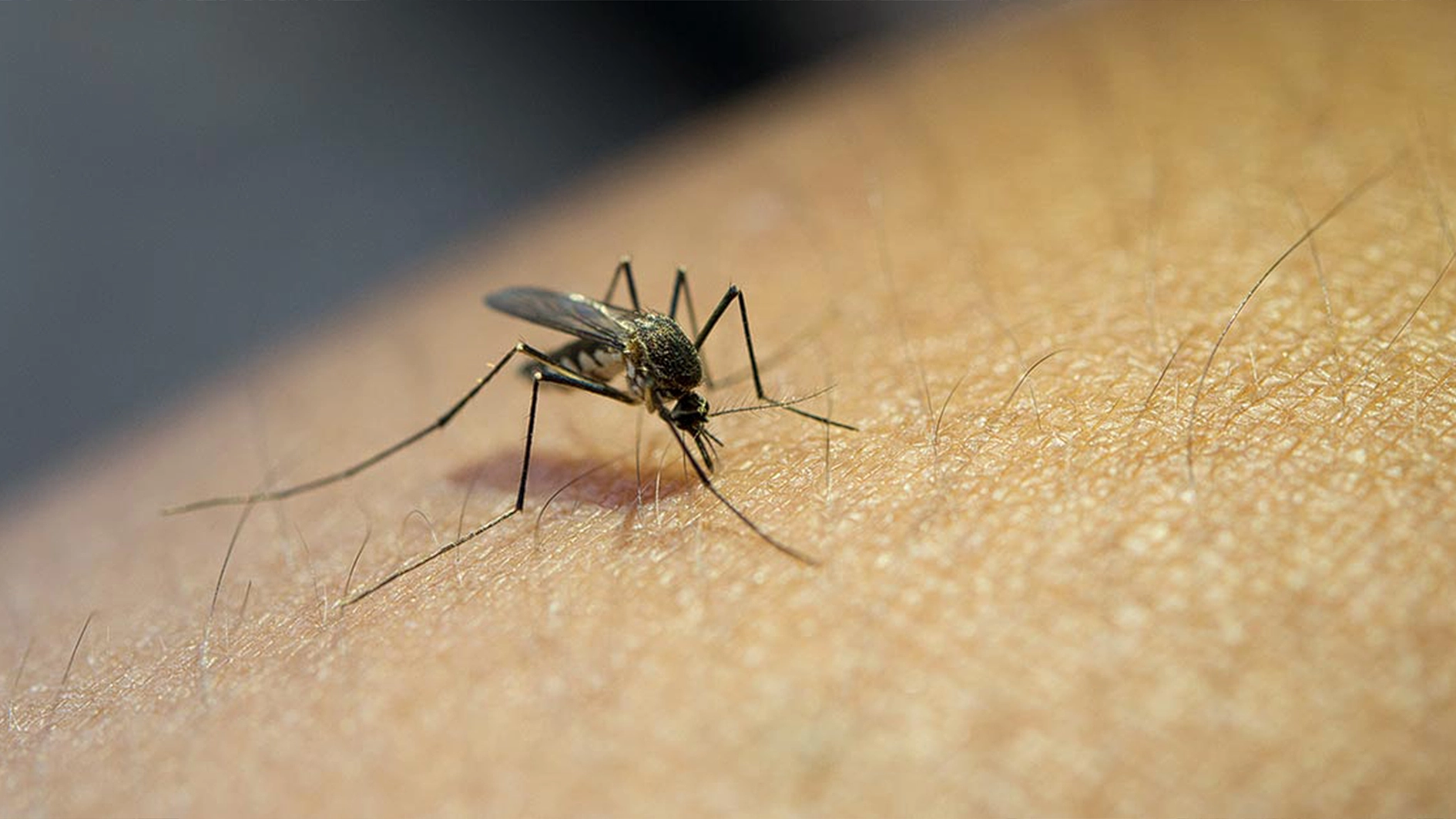
When Professor Muhammad Pate looks at the latest data from Nigeria's Malaria Indicator Survey, he sees something that would have seemed impossible just a decade ago: a country turning the tide on a disease that has haunted it for generations. Malaria prevalence has plummeted from 42 percent in 2010 to just 15 percent in 2025—a 27-percentage-point drop that places Nigeria firmly on the path toward elimination.
"We have seen improvements over the last three years as part of President Bola Tinubu's Health Sector Renewal Investment Initiative. These are signs of progress, backed not just by opinion but by data," Pate told journalists at the Science of Defeating Malaria Leadership Development Course, hosted by the Federal Ministry of Health and Social Welfare in partnership with the Institute of Genomics and Global Health.
The transformation didn't happen by accident. Underpinning the decline is a systematic effort to rebuild the country's health infrastructure from the ground up—expanding primary healthcare networks, training frontline health workers, and most remarkably, building domestic manufacturing capacity. A major bed net manufacturer has already broken ground in Nigeria, while another major test kit producer is establishing operations in the country. For years, Nigeria relied on imported pharmaceuticals and medical supplies; now, it's growing its own.
Lagos State has advanced furthest on this journey, reaching what health officials call the pre-elimination stage—meaning malaria cases there have become rare enough to trace individually rather than treat as a generalized epidemic. The state's success stems from rigorous protocols that ensure anyone presenting with fever receives a diagnostic test before treatment begins, eliminating the guesswork that once allowed the parasite to persist.
The Federal Government is now deploying next-generation tools to push further: next-generation Insecticide-Treated Nets, Larval Source Management to target mosquito breeding grounds, and the newly introduced malaria vaccine, which has rolled out in Kebbi, Bayelsa, Bauchi, and Ondo states. Pate is careful to note, however, that the vaccine represents just one layer of protection. "Vaccines are only one layer of protection that must be built on top of other interventions, including bed nets, intermittent preventive treatment, Seasonal Malaria Chemoprevention, good case management and vaccination," he said.
Professor Christian Happi, a molecular biologist at Redeemer's University in Osun State, has watched Nigeria's classification shift from high-malaria-prevalence to moderate transmission. The genomicist emphasizes that Nigeria's victory matters for the entire continent. "As we work towards eliminating malaria in Nigeria, we do not want neighbouring countries to continue reintroducing the disease through cross-border transmission," he said, explaining that African nations must tackle the parasite in concert.
If the current momentum holds, Pate believes Nigeria can finish what it started. "These are the new approaches we have put together, and they appear to be working. We have now proven that things can, in fact, get better in Nigeria," he said. For a nation that has long been synonymous with malaria's burden, that message marks something new: a future where the disease no longer defines it.