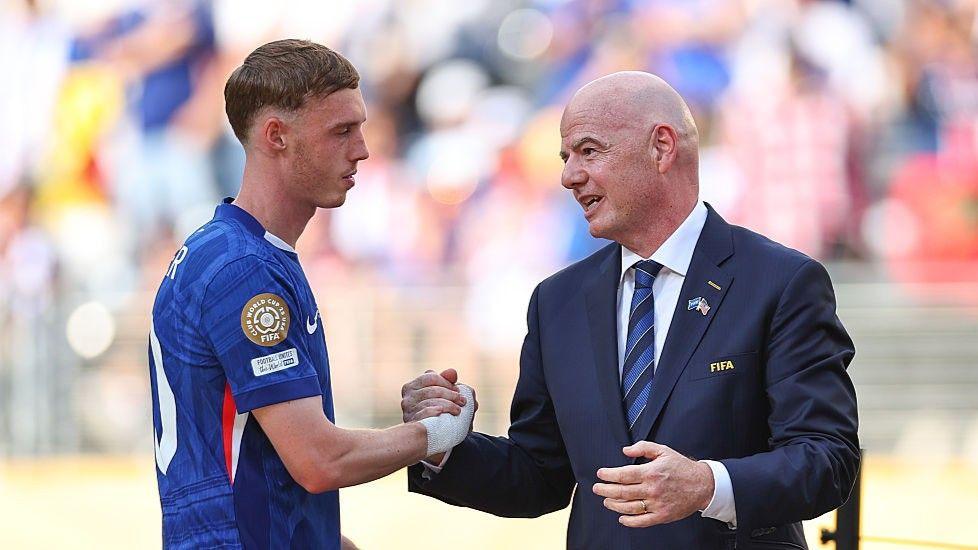
At an Azteca Stadium press conference in Mexico City, Fifa and global players' union Fifpro announced a landmark memorandum of understanding that fundamentally reshapes how professional football is governed — giving players direct say in decisions that have long been made without them. The agreement marks the first time players will hold veto power over key governance areas and observer access with speaking rights at Fifa Council, the sport's most powerful decision-making body.
For decades, football's professional players have been the engine of the game's worldwide appeal, yet they've had little formal voice in the structural decisions shaping their careers and welfare. This deal changes that in concrete, enforceable ways. Fifa struck the agreement after facing multiple legal claims from Fifpro around player welfare and the overcrowded match calendar. Most recently, former France midfielder Lassana Diarra reached a settlement for 65 million euros (£56.1 million) against Fifa and the Belgian Football Association, stemming from his contract cancellation by Russian club Lokomotiv Moscow in 2014 and subsequent denial of a transfer to Charleroi.
The memorandum establishes sweeping protections against practices long considered abusive in professional football. Players can now cancel contracts and retain all owed payments if clubs force them to train alone, withhold their passports, or abuse registration procedures. They can also claim compensation for justifiable expenses and demand up to six months' additional pay in damages. Clubs that violate contractual obligations now face faster, more severe sporting and financial consequences — a significant tightening of accountability that shifts power dynamics at the operational level.
Fifpro president Sergio Marchi framed the moment expansively: "This agreement represents an important step forward for football. Ensuring that players and their representatives have a meaningful voice in decisions affecting their careers is not only beneficial for footballers, but for the game as a whole." Fifa president Gianni Infantino echoed the collaborative tone, describing the deal as rooted in "unity, about bringing everyone together," and emphasizing dialogue as preferable to public dispute.
Yet the victory is incomplete. The central dispute over football's dangerously congested match calendar — the issue that prompted Fifpro's October 2024 "abuse of dominance" claim against Fifa — remains unresolved. The Professional Footballers' Association has signaled it is not yet ready to abandon its own legal threats on the matter, leaving open the possibility of continued conflict. Whether Infantino will uphold the broader agreement if negotiations over fixture congestion break down is an unanswered question.
Still, the shift is undeniable. For too long, the people most responsible for football's enduring global magnetism have been excluded from meaningful participation in the governance decisions affecting their livelihoods, safety, and careers. This memorandum signals that era is beginning to end. Players now have leverage, visibility, and formal pathways to shape the rules of their profession. Whether these protections and rights translate into sustained change will depend on how faithfully Fifa and clubs implement them — and whether the standoff over the match calendar can be resolved. For now, though, players' voices are finally being written into football's rulebook.