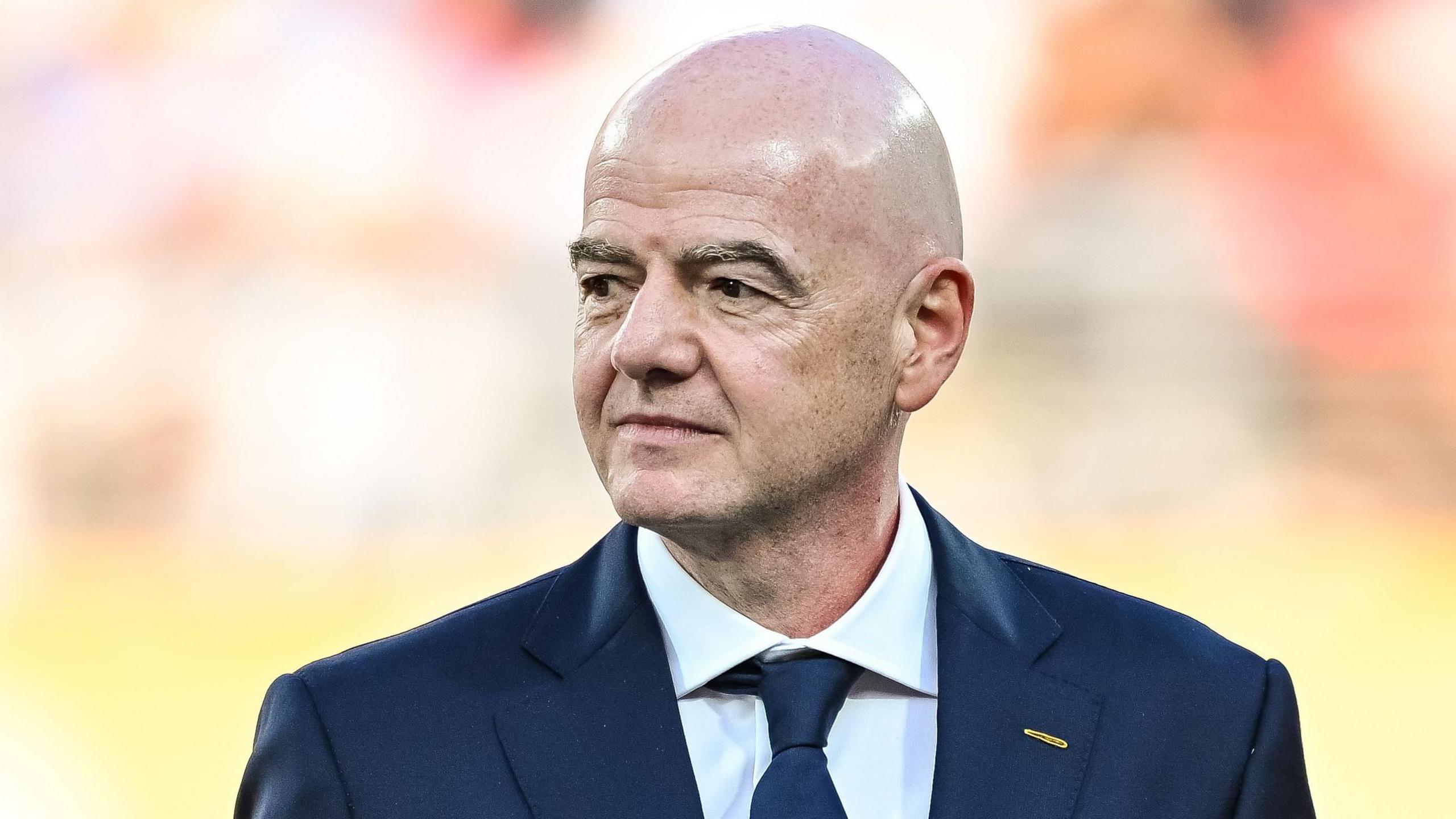
When FIFA president Gianni Infantino unveiled a plan to sell shares in the World Cup to outside investors, it looked like a done deal. By mid-September, he had given football associations around the world a deadline to accept $20 million each — if they agreed to let private investors buy into FIFA's most prized tournaments. But just days later, the proposal collapsed under the weight of opposition from the sport's own family.
The backlash came swift and unified. Europe's 55 national football associations, led by UEFA, announced they would boycott future World Cups if the plan moved forward. The North and Central American governing body Concacaf said its members "rejected" the proposal outright, with sources reporting that most associations in the region had lost faith in Infantino. The Asian Football Confederation declared it stood in "solidarity" with both UEFA and Concacaf — three of FIFA's six regional confederations united against their own president.
The pressure forced even Infantino's inner circle to turn against him. Carlos Cordeiro, his senior adviser on global strategy and governance, resigned in protest, calling the deal "a bad deal for football" that would "mortgage football's future." FIFA's chief operating officer Kevin Lamour went further, telling staff that the governing body's own administration had been "deceived" about the project. "A president must bring people together, unite them, and inspire them," Lamour said. "This was the opposite."
The plan, outlined in a 25-page document created by investment bank JP Morgan, could have raised an estimated $10 billion from outside investors — but at what cost? Critics pointed out the proposal made no mention of women's football and would have handed private investors influence over the world's most-watched sporting event. The venture capital firm Thrive Eternal, founded by Joshua Kushner — brother of Donald Trump's son-in-law Jared Kushner — was expected to lead the investor group.
Facing mounting criticism, Infantino abandoned the proposal and said he now intends to "bring all interested parties back together" in the "spirit of shared interest." The controversy may come back to haunt him next March when FIFA's 77th Congress meets in Morocco to confirm its next president. Before this week, re-election seemed certain. Now, associations that had already pledged their support may be reconsidering.