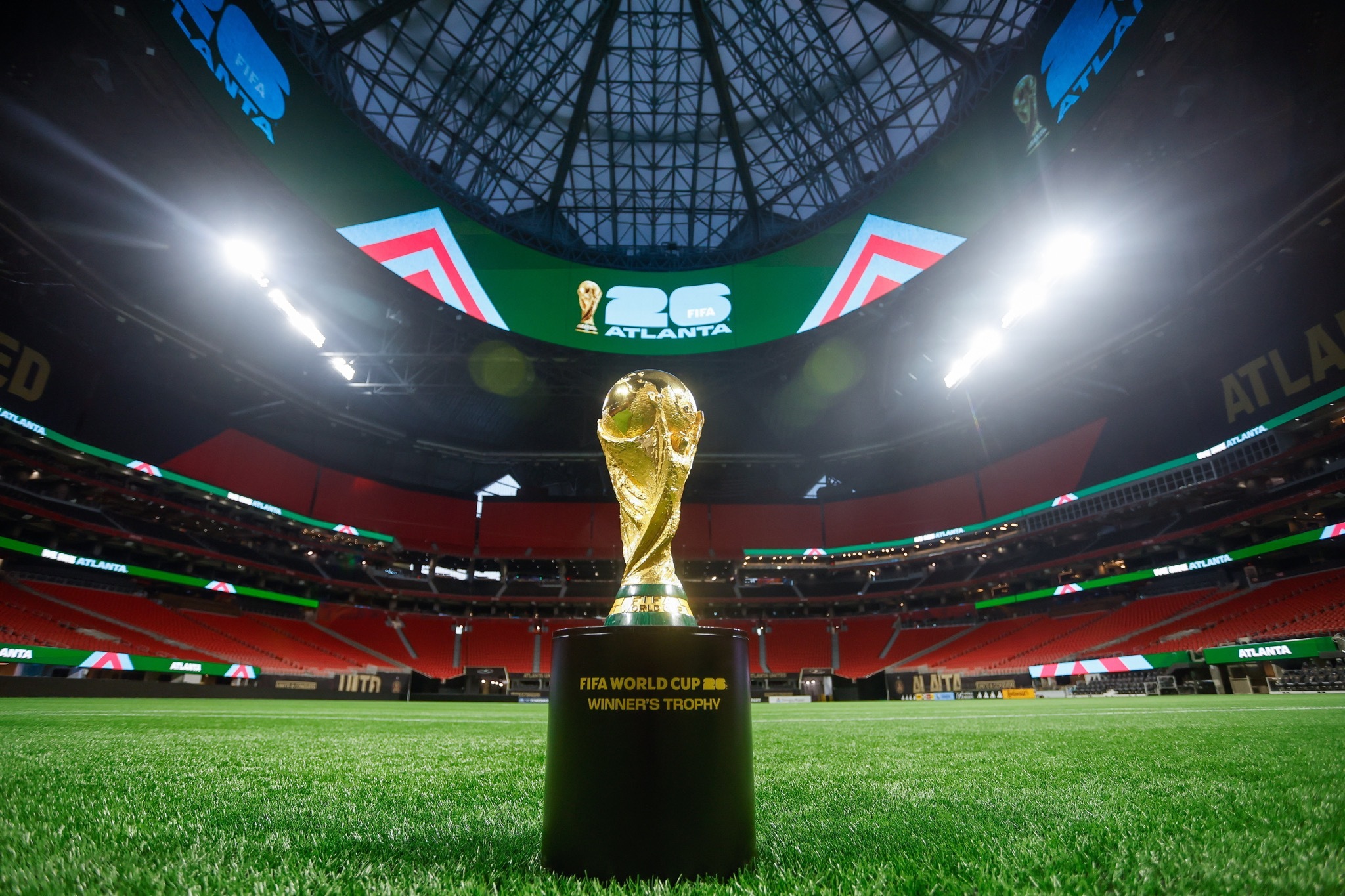
The FIFA World Cup is coming home to American soil for the first time in more than 30 years, and this June, soccer fans across the continent will witness something unprecedented: a tournament split across three countries, with 11 U.S. cities playing host to the greatest spectacle in sports.
From June 11 to July 19, 2026, the world's best national teams will compete across 39 days of tournaments, with the U.S. hosting the bulk of the action—including the U.S. Men's National Soccer Team's opener on June 12 against Paraguay in Los Angeles, plus every quarterfinal, semifinal, and final match. Mexico will host matches in Mexico City, Monterrey, and Guadalajara, while Canada brings two cities to the party: Vancouver and Toronto. It's a logistical marvel that reflects the evolving nature of global sporting events, and it marks a historic moment for soccer in North America.
The 11 American host cities span nearly 3,000 miles, from Boston's Gillette Stadium in Foxborough, Massachusetts, to the San Francisco Bay Area's Levi's Stadium in Santa Clara, California—a distance nearly equivalent to the span from Lisbon to Moscow. This geographic ambition means fans and teams will crisscross the continent, creating an unforgettable experience. Atlanta's Mercedes-Benz Stadium, Dallas's AT&T Stadium in Arlington, Houston's NRG Stadium, Kansas City's Arrowhead Stadium, Los Angeles's SoFi Stadium in Inglewood, Miami's Hard Rock Stadium in Miami Gardens, New York's MetLife Stadium in East Rutherford, Philadelphia's Lincoln Financial Field, and Seattle's Lumen Field round out the roster of venues. For the World Cup, FIFA has stripped all stadiums of commercial naming rights, so MetLife becomes New York New Jersey Stadium, creating a unified, tradition-focused presentation.
The tournament kicks off spectacularly: Mexico faces South Africa on June 11 in Mexico City, while Korea Republic takes on Czechia in Guadalajara. The very next day, Canada plays Bosnia and Herzegovina in Toronto before the U.S. squad steps onto the pitch in Los Angeles. Group play matches continue through the tournament's early stages, with teams like Brazil, Germany, France, Argentina, and England all competing across the host cities.
For those eager to attend, tickets are still available through FIFA's official channels and resale marketplace, though prices vary dramatically depending on match stage and location. Group play matches start around $200 to $900 for general admission, but expect to pay significantly more for USMNT matches—nearly $2,000 for premium seats. Quarterfinals and round-of-32 matches have largely sold out, but limited group-stage inventory remains. FIFA's final "last-minute sales" phases occurred in April, with additional drops continuing through the spring.
This isn't a typical World Cup experience. The scale is enormous, the geography sprawling, and the energy unmistakably North American. For the first time in three decades, families across the United States won't need to book flights to distant continents to witness their national team on the world's biggest stage. Instead, from the Pacific Northwest to the Northeast corridor, from Texas to Florida, soccer fans will have the tournament arrive at their doorstep. That's a rare gift for a nation falling deeper in love with the sport every year.