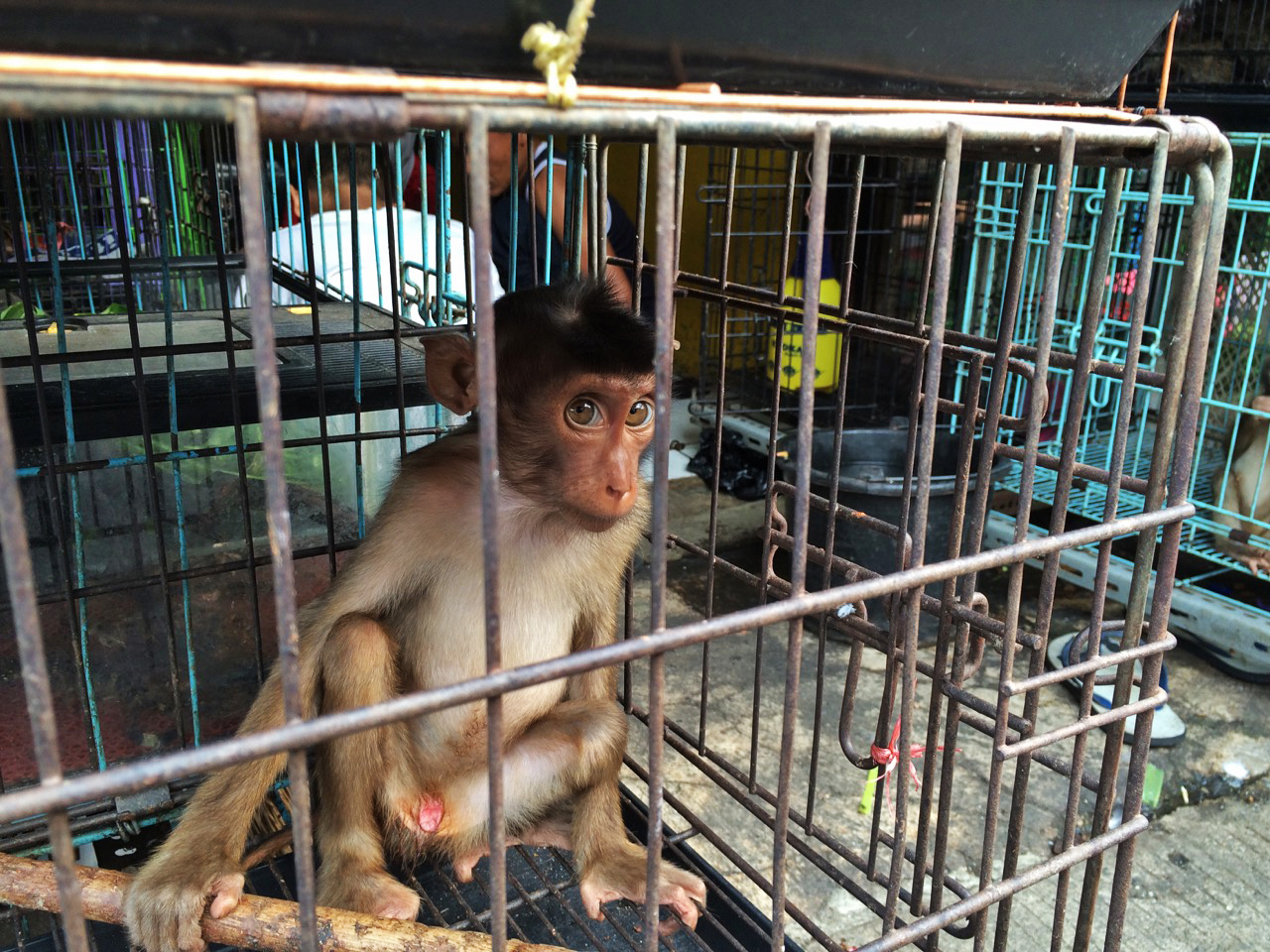
When Krismanko Padang looks at the wildlife in Indonesia's forests, he sees two things being sold: animals as products and animals as torture content. It's a stark reckoning from a conservation official who spent years protecting endangered species — and now finds himself fighting a digital marketplace that turns suffering into entertainment.
That battle moved into the spotlight this June when Bali hosted the world's first international summit dedicated to confronting online animal cruelty. The gathering, organized by the Social Media Animal Cruelty Coalition (SMACC), brought together dozens of international organizations to plan tangible steps against an industry that research shows is growing by the day.
"Online animal cruelty is spreading at a scale no single organisation, platform or government can solve alone," said Nicola O'Brien, SMACC's lead coordinator, in a statement to attendees.
The numbers behind that reality are staggering. A 2021 SMACC report identified 5,480 videos depicting animal cruelty that had accumulated more than 5.3 billion views across platforms. Seventeen of those channels boasted more than one million subscribers apiece, with two channels surpassing 30 million subscribers each. Meanwhile, Indonesia — the world's fourth most populous country and host of the summit — was identified as the largest source of such content, accounting for 1,569 videos in the report.
The animals featured in these videos span from household pets to endangered wildlife. Cats, dogs, pangolins, primates, and snakes appear among the most exploited, including several macaque species listed as threatened by the International Union for Conservation of Nature.
Researchers uncovered another troubling pattern: staged animal rescues designed to attract donations. A 2024 SMACC report documented thousands of videos exploiting wildlife through fake rescue content, identifying more than 1,000 links across major platforms in just six weeks. In many cases, creators deliberately endangered the animal beforehand, staging its dramatic "rescue" for clicks and profit.
The harm extends beyond the animals themselves. The Royal Society for the Prevention of Cruelty to Animals reported that 37 percent of children aged 7 to 15 had viewed animal cruelty on social media in the previous year. Child psychologists warn that exposure to such content reshapes developing brains and can impair behavior control into adulthood.
"Witnessing violence of any type, particularly animal abuse, is a traumatic event for a child, as it changes how the brain develops," said Mary Lou Randour, senior adviser for animal cruelty programs at the Animal Welfare Institute.
Krismanko, who works with Indonesia's state conservation agency, framed the issue within a larger crisis: the international illegal wildlife trade, which the United Nations estimates generates more than $23 billion annually.
The Asia for Animals Coalition, the world's largest network of animal welfare nonprofits with over 400 member organizations, established SMACC in 2020 to coordinate a global response. The Bali summit marked its first in-person gathering — a starting point, advocates say, for the sustained collaboration that tackling this problem demands.
For Krismanko, the urgency is personal. "These days, animals are sold as products," he said. "And secondly, they're sold as torture content."