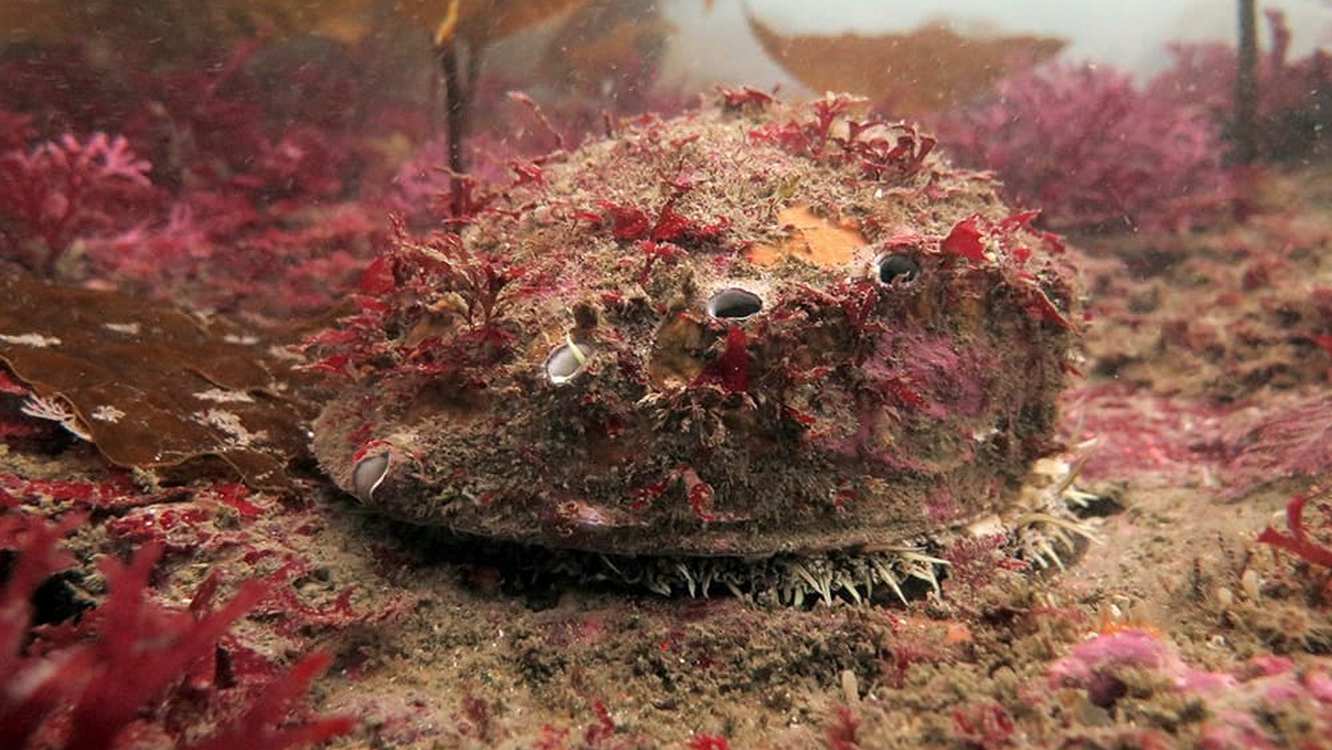
On May 12th, 2026, Julie Bursek and Jaimee Butler were diving near the southwest side of Santa Cruz Island when they spotted something few scientists had seen in years: a living white abalone, its shell glinting in the filtered sunlight of the kelp forest. For a team that had been searching what felt like an endless haystack of coastal water, it was a moment of quiet triumph—a glimpse of recovery for one of California's most critically endangered creatures.
The white abalone, a charismatic sea snail, hasn't been documented in the waters of Channel Islands National Marine Sanctuary for five years. That absence reflects a catastrophic decline: populations have crashed 99 percent since the 1970s, leaving so few individuals remaining that many are now isolated too far apart to breed. The kelp forests where they once thrived have been devastated by sea urchin plagues, further shrinking the habitat that these mollusks depend on. Finding even one living specimen represents a genuine bright spot in a story of ecological decline.
The discovery came during a research mission aboard the NOAA research vessel Shearwater as part of the Wanted Alive! White Abalone campaign, which enlists citizen scientists and recreational divers to report sightings. Bursek, the education and outreach coordinator for Channel Islands National Marine Sanctuary, and Butler, an assistant dive safety officer with the Aquarium of the Pacific, recorded video footage and shell measurements. Those materials were then sent to project leads at NOAA Fisheries, who confirmed the sighting using the footage—solid scientific evidence that white abalone still persist in these waters.
The team's work extended beyond the single sighting. They surveyed areas near Santa Rosa and Santa Cruz islands, conducting habitat characterization work and deploying a new eDNA sampler to collect environmental DNA—genetic material shed by organisms into the surrounding water. This technique allows researchers to detect the presence of organisms without seeing them directly, dramatically expanding the search area and efficiency. The samples collected during the dive will be analyzed in coming months, potentially revealing whether other white abalone are living in locations researchers haven't yet explored.
What makes this discovery significant is the collaborative approach it represents. "It's been like searching for a needle in a haystack," Bursek reflected on the challenge. "Community science, research partnerships, and habitat surveys like this one are all important tools for helping scientists better understand where white abalone may still survive in the wild." The Wanted Alive! campaign taps into the knowledge of recreational divers and citizen scientists who spend time in these waters, creating a network of eyes and expertise far larger than any single research team could muster.
Next steps include additional habitat surveys on the southwest side of Santa Cruz Island, attempts to relocate and monitor the individual white abalone, and processing the eDNA samples collected during the mission. Researchers hope that understanding where white abalone still occur and what conditions support their survival will point toward recovery strategies—perhaps including habitat restoration, breeding programs, or other interventions yet to be determined.
One living white abalone in five years might seem like a small victory. But in conservation, evidence that a species can still be found in the wild, that habitat can be identified and studied, that communities will show up to search—these are the foundations on which recovery is built.