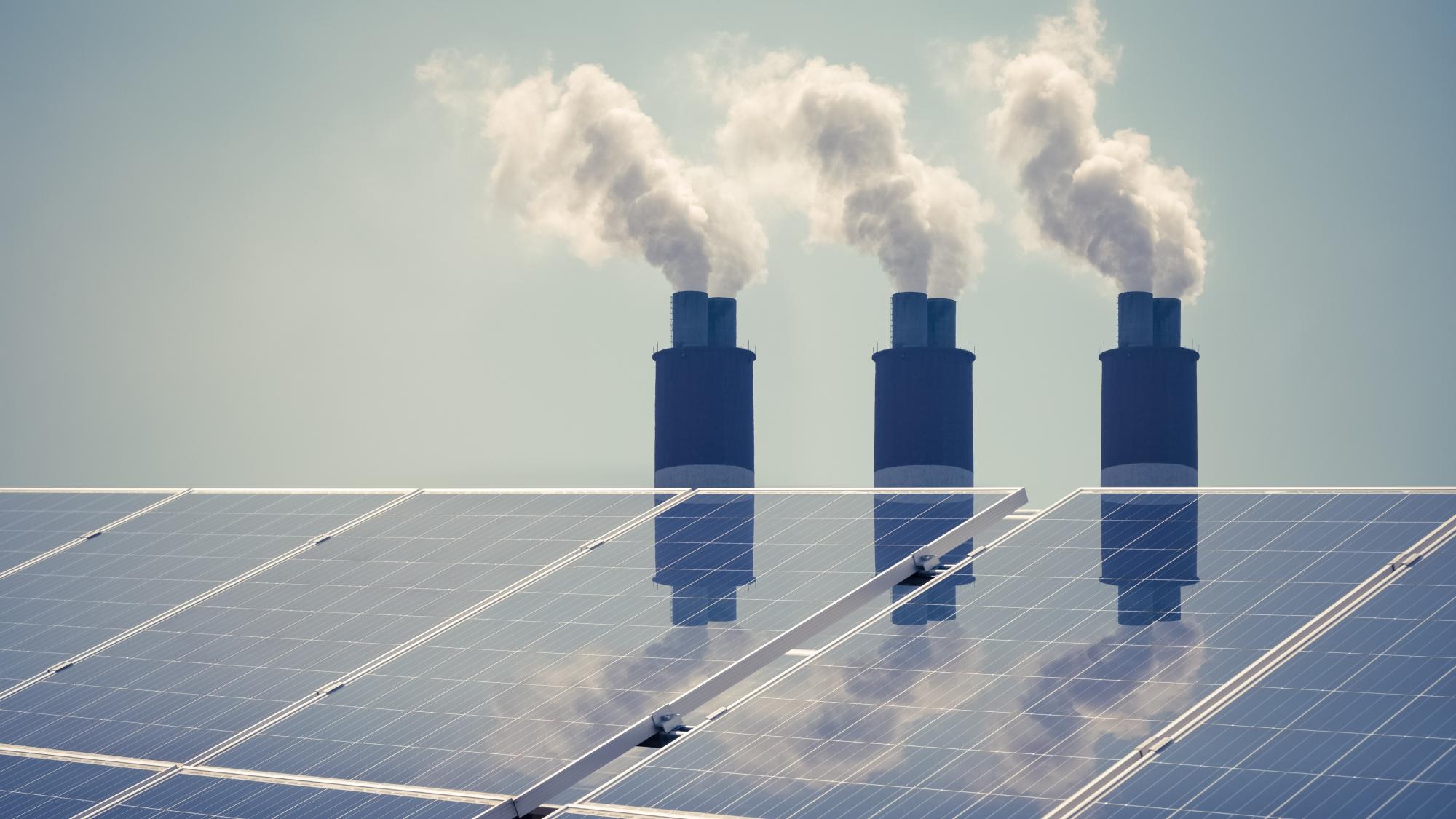
In May 2025, solar energy crossed a historic threshold: for the first time on record, it powered more of America's electricity grid than coal. Solar contributed 12.8 percent of the nation's electricity, according to an analysis by Ember, an energy think tank, nudging out coal's 12.2 percent share. The milestone arrives as a stunning turnaround — just five years ago, solar was less than half its current levels while coal still claimed 20 percent of the grid.
The achievement matters because it signals a genuine shift in how America powers itself, even amid political headwinds pushing hard in the opposite direction. Solar has transformed from a niche experiment into the third-largest and fastest-growing source of electricity in the U.S. system, with Nicolas Fulghum, a senior data analyst at Ember, noting that "markets across the U.S. are betting on solar to meet rising power needs" — from Texas to California.
Yet this moment arrives against a backdrop of aggressive political opposition to renewable energy. Last summer, Congress passed the One Big Beautiful Bill Act, which dismantled much of former President Joe Biden's landmark climate legislation, the 2022 Inflation Reduction Act. President Donald Trump has actively worked to stall renewable development, reportedly offering at least one oil company $1 billion to halt offshore wind projects. That same month, the Trump administration announced $700 million in funding for the coal industry — including support for what would be the country's first new coal-fired power plants built in 13 years, drawn from funds previously designed to reduce fossil fuel dependence. Trump framed the investment around his campaign slogan, declaring, "Today we're taking historic action to bring down the price of energy and the cost of living for all Americans with the power of clean, beautiful coal."
The contrast is striking. Coal generation did tick up slightly in May compared to April's all-time low, and summer cooling demands may push its share higher temporarily. But Ember's data reveals a stubborn, steady decline over several years — one that government spending seems unlikely to reverse. As Lena Moffitt, executive director of the environmental group Evergreen Action, put it to the Associated Press, "Spending $700 million to bail out the coal industry is like throwing a lifeline to a ship that has already sunk." Rich Nolan, president and CEO of the National Mining Association, countered that coal generation shields consumers from volatile energy prices and supply challenges worsened by artificial intelligence.
Regardless, solar appears unstoppable. While solar installations dropped in 2025 compared to 2024 according to the Solar Energy Industry Association, solar still accounted for more than half of all newly installed electricity capacity nationwide. Energy analysts expect renewables to continue climbing the grid's hierarchy. Patrick Drupp, director of climate policy at the Sierra Club, said simply: "We're going to just keep seeing more and more renewables brought onto the grid. That's good for people's wallets, it's good for their health, it's good for the planet."
The May milestone captures a moment when the fundamental economics of American power generation have quietly shifted — and when neither political opposition nor billion-dollar bailouts appear able to stop it.