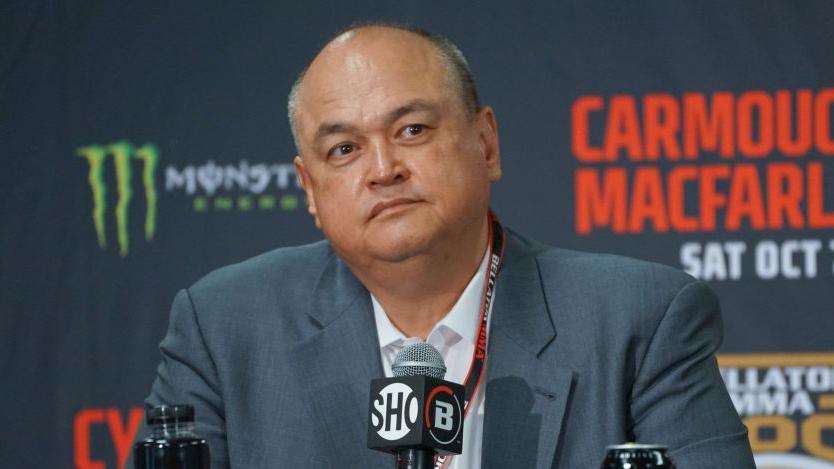
Scott Coker, the architect of Strikeforce's rise and longtime steward of Bellator, is launching a new mixed martial arts league backed by $60 million in funding—a move that marks his return to the sport after Bellator's acquisition by the PFL at the end of 2023. At 63, Coker is stepping back into the octagon wars with what he describes as a vision centered on athlete respect and competition integrity, a philosophy shaped by decades of building fighters into global stars.
The new venture signals a significant moment in MMA's landscape. While details about the league's name, structure, and roster remain under wraps, Coker's language hints at a departure from the UFC's ranking-based model; the term "fight league" suggests a round-robin structure designed to level the playing field and prioritize narrative-driven matchups. His track record speaks to why investors—drawn from sport, media, technology, and finance sectors—are backing this ambitious play. Coker built Strikeforce into a powerhouse that discovered and developed fighters who would later dominate the UFC: Ronda Rousey knocked out her opponent in 15 seconds on Netflix last week, watched by a record 17 million viewers, but she first built her legend under Coker's watch. Cris Cyborg and Daniel Cormier followed similar trajectories, becoming champions after their Strikeforce foundations. In 2009, Coker was president when Cyborg faced Carano in the first women's fight to headline a major MMA show—a watershed moment that opened doors the sport had kept locked.
Bellator, Coker's most recent post, never quite rivaled the UFC's dominance, but his departure doesn't signal a retreat from ambition. "I always knew that I would come back when the time was right, with the right vision and a carefully assembled team. That time has arrived," Coker said, taking the role of CEO. His framing centers not on dethroning the UFC, but on filling a void he perceives in the market. "There is a huge demand for a new global brand in MMA," he explained. "This new league is about going back to basics: the integrity of competition, respect for the athletes and sharing their remarkable journeys with the world."
That language reflects a deliberate positioning. MMA has long battled criticism over fighter pay, with the UFC's top earners occasionally pulling in seven figures while mid-card competitors scrape by. A league built explicitly around athlete respect could appeal to fighters frustrated with existing arrangements, as well as to fans increasingly conscious of labor dynamics in sports. Coker's investor base—spanning technology and finance alongside traditional sports money—suggests the league is being built for the digital-first era, potentially sidestepping some traditional broadcast gatekeeping.
The timing matters. MMA is experiencing a moment of mainstream momentum, with Netflix-promoted spectacles drawing tens of millions of viewers. That attention creates opportunity: a well-capitalized, intelligently marketed alternative could capture market share from a UFC that has become, for some fans and fighters, synonymous with consolidation and gatekeeping. Coker built Strikeforce not by copying the UFC's blueprint, but by thinking differently about who fights whom and why audiences care. As he prepares to unveil this new venture in 2025, that same contrarian instinct may prove his greatest asset.