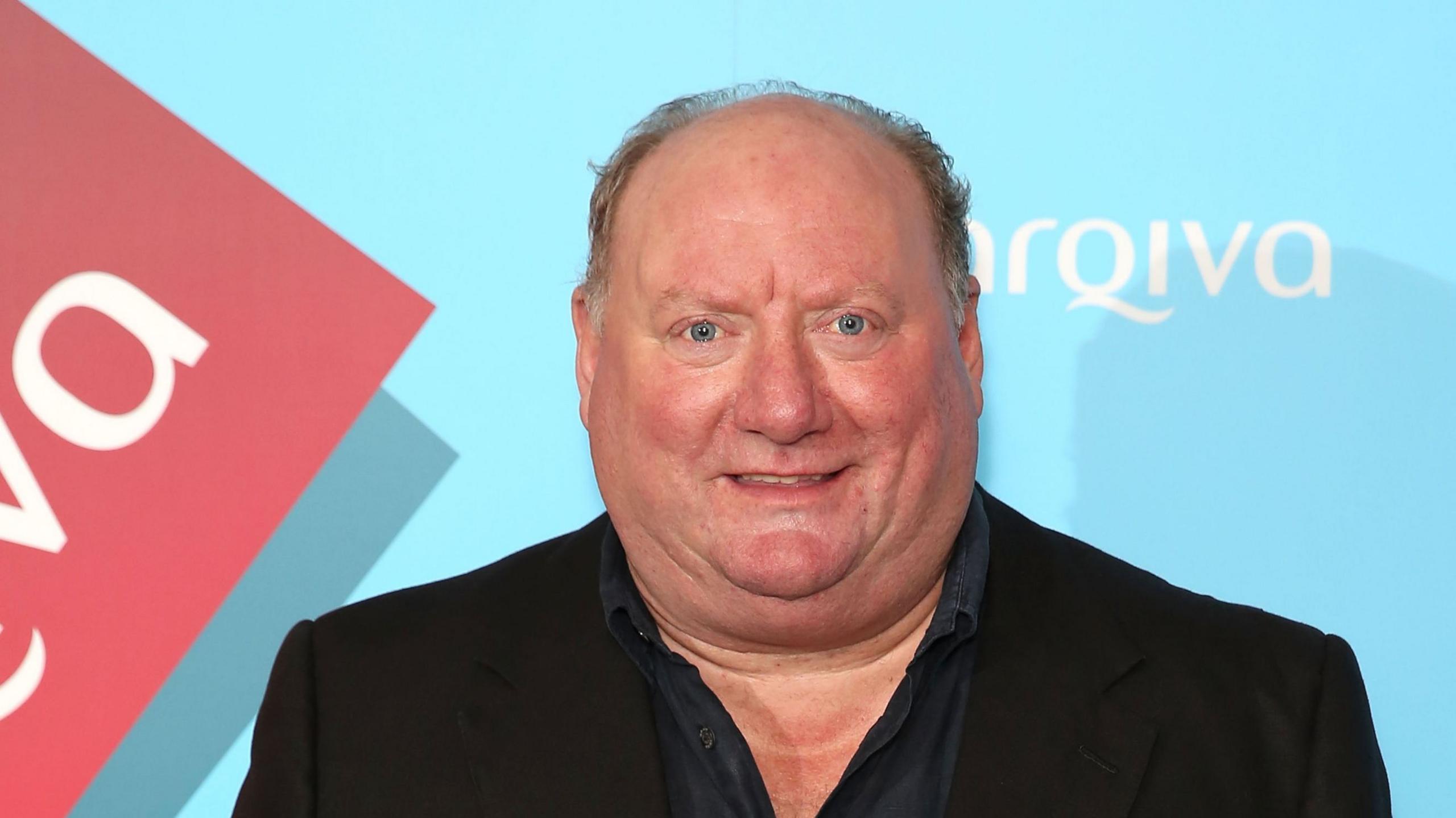
Alan Brazil's phone rang just before 10 a.m. at work—a call from Addenbrooke's Hospital in Cambridge telling him to come immediately. The former Scotland striker and current broadcaster had known a transplant was coming. He'd endured years of tests, seen specialist after specialist, watched his liver decline. But nothing quite prepares you for the moment they tell you it's time. By 2:30 that afternoon, the 66-year-old was on the operating table at one of Britain's leading teaching hospitals, opening his eyes to an eight-hour procedure that would, quite literally, give him his life back.
What makes Brazil's story remarkable isn't just that he survived major surgery—it's what happened in the middle of it. During those eight hours under anaesthesia, his heart stopped beating. In most cases, that would be the end of the story. But at Addenbrooke's, the medical team kept working. His heart restarted on its own. He woke up with a new liver and a second chance that seemed, in that moment, impossibly fragile.
Brazil's career spanned the heights of English football. He played for Ipswich Town, Manchester United, and Tottenham Hotspur, earning caps for Scotland along the way. He transitioned to broadcasting, building a voice in sports media that audiences came to know and trust. Then illness crept in—the kind that doesn't announce itself loudly but quietly reshapes everything. Years of deteriorating liver function, mounting medical interventions, an escalating cascade of specialist appointments. Each one moving him closer to a transplant he couldn't avoid.
The eight-hour operation at Addenbrooke's was intense, methodical, and—in Brazil's own candid assessment—something he barely made it through. "My heart did stop for a bit and it came back on its own," he said, describing the moment with the kind of matter-of-factness that only comes from living through something genuinely life-altering. There's no drama in his telling, just fact: his heart stopped, the surgeons worked, it came back.
What strikes hardest in Brazil's reflection is his gratitude—not the polished kind you hear in prepared statements, but the raw, unvarnished kind that comes from someone who understands how close they came to not being here at all. "I'm very, very lucky to be here," he said. "The guys at Addenbrooke's Hospital have saved my life. I copped it, but thank God, luckily, they saved me."
Recovery is underway but incomplete. Brazil is optimistic about returning to broadcasting work in the coming weeks, though he's honest about where he is in the healing process. "I am on the mend. Still not there, but I am getting there." It's the measured hope of someone who has learned not to take tomorrow for granted—who understands that waking up after eight hours on the operating table, after your heart has stopped and restarted, is its own kind of victory.