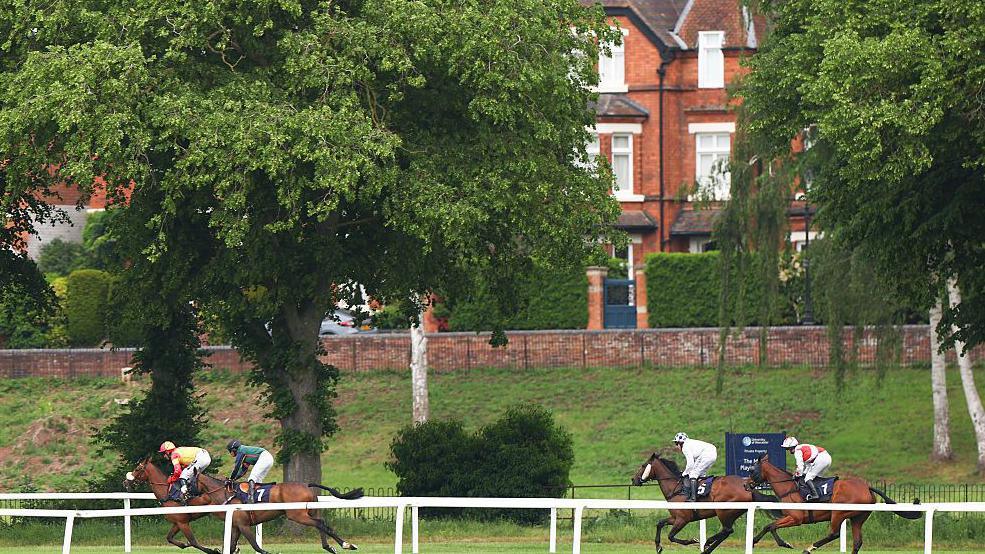
Britain's horse racing community demonstrated its commitment to animal welfare this week when four major meetings were cancelled in response to a rare extreme heat warning, with the sport's safeguard policies kicking in automatically to protect thousands of horses and participants from dangerous temperatures.
The British Horseracing Authority's hot weather policy requires fixtures to be abandoned whenever racecourses fall within a Met Office red warning zone, and that threshold was clearly met when the forecaster issued its most severe alert from 09:00 BST on Wednesday through 21:00 Thursday for parts of England and Wales, with temperatures potentially soaring to 38 or 39 degrees Celsius.
Worcester's National Hunt meeting, along with Flat fixtures at Salisbury and Kempton, all fell squarely within the affected area and were called off as a precaution. Ffos Las, which sits just outside the red zone boundary, would nevertheless have required participants to travel through the high-risk area to reach the course, making its cancellation necessary as well.
The policy extends beyond simply cancelling races. Under current regulations, horses must not be transported from or through areas under red warning, ensuring that the animals are never placed at risk during the journey to and from venues. This comprehensive approach reflects years of developing welfare standards within the sport.
Not all racing came to a halt. Carlisle's fixture in Cumbria is still scheduled to proceed, featuring two of Britain's oldest and most cherished races: the Carlisle Bell, first run in 1599, and the Cumberland Plate, which dates back to 1903. Located outside the danger zone, the meeting will offer a rare opportunity for racing fans to witness history while conditions remain safe.
The BHA has indicated it will continue monitoring conditions throughout the week, working closely with racecourses hosting fixtures in amber warning zones to determine whether additional protective measures are needed. This ongoing vigilance ensures that welfare considerations remain central to every decision, with officials prepared to act swiftly if temperatures pose any threat to horses or riders.