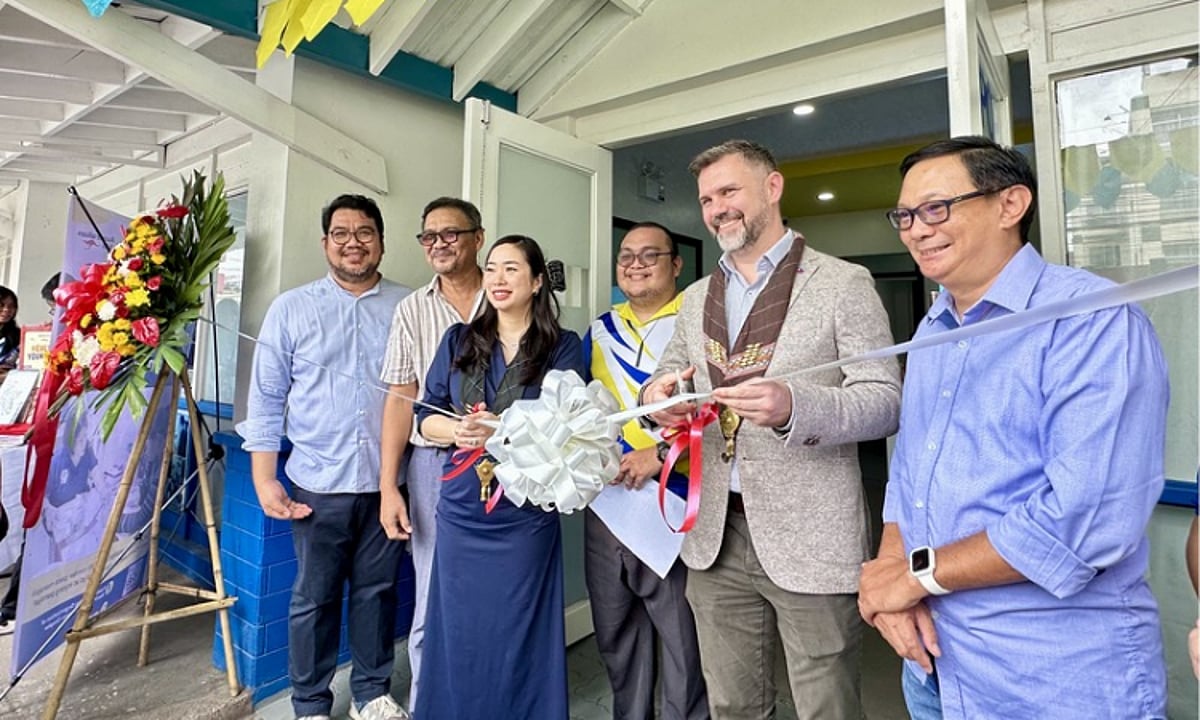
In Davao City, a Community Health Care Clinic opened its doors with a simple but powerful mission: to bring reproductive and sexual health services to the people who need them most. The Family Planning Organization of the Philippines (FPOP) officially launched the clinic, marking a watershed moment for underserved communities across Mindanao who have long faced barriers to quality healthcare.
The clinic's arrival reflects a genuine commitment to healthcare equity in a region where access to reproductive services remains uneven. For marginalized and underserved populations in Davao—including women, girls, and LGBTQIA+ communities—the new facility promises something fundamental: counseling, family planning, and comprehensive community healthcare, all designed around the principles of rights-based care. The opening ceremony drew government officials, health advocates, and development partners, including Australian Embassy Deputy Ambassador Nicholas Kay, Davao City Councilor Luna Acosta, FPOP President Karl M. Queipo, and Executive Director Nandy Senoc.
The clinic emerged from a partnership among FPOP, the Department of Health-Davao, and the Australian Government through Australian Aid, funded under the Respond program—an initiative specifically designed to expand access to quality sexual and reproductive healthcare services for women, girls, and marginalized communities across the Indo-Pacific region. Australia supported not only the clinic's establishment but also its refurbishment and transfer to ensure it meets Department of Health and PhilHealth accreditation requirements, a critical step toward sustainable healthcare delivery in Mindanao.
The collaboration carries deeper significance than infrastructure alone. Deputy Ambassador Kay emphasized the partnership's reflection of shared values: "This partnership is very special for us," he said, reaffirming Australia's commitment to supporting accessible healthcare in the Philippines, particularly in Davao and Mindanao. He underscored Australia's hope that the clinic and future collaborations would empower women, families, and underserved communities through rights-based healthcare services—language that signals a shift toward dignity-centered medicine rather than top-down intervention.
FPOP President Queipo reframed the clinic's opening as something transcendent. "It is an opening to greater hope, wider access to healthcare, and stronger support for the people and families of Davao," he said. His words captured both the practical reality of expanded services and the psychological weight such access carries for communities long marginalized from mainstream healthcare systems.
For Davao City Councilor Luna Acosta, the clinic's significance extended beyond reproductive health alone. She emphasized the importance of sustaining broader advocacy efforts on gender equality and support for LGBTQIA+ communities, positioning the clinic as part of a larger push for inclusive healthcare across the city. Her remarks reflected recognition that reproductive health services are inseparable from conversations about equity and human dignity.
FPOP's long history of advocating for reproductive health and responsible parenthood in the Philippines gives the organization deep roots in local communities. The new clinic represents another step in the organization's ongoing mission to bridge healthcare gaps and expand access to quality services. As Davao—often called the "City of Blooming Flowers"—continues to grow, initiatives like this one demonstrate that expansion can mean not just infrastructure, but genuine care reaching those who have waited too long for it.
The clinic now stands as a tangible symbol that healthcare equity is not merely aspirational. For the Davawenyos who walk through its doors, it is simply there: a place where reproductive health is treated as a right, not a privilege, and where underserved communities finally have a pathway to comprehensive, dignified care.