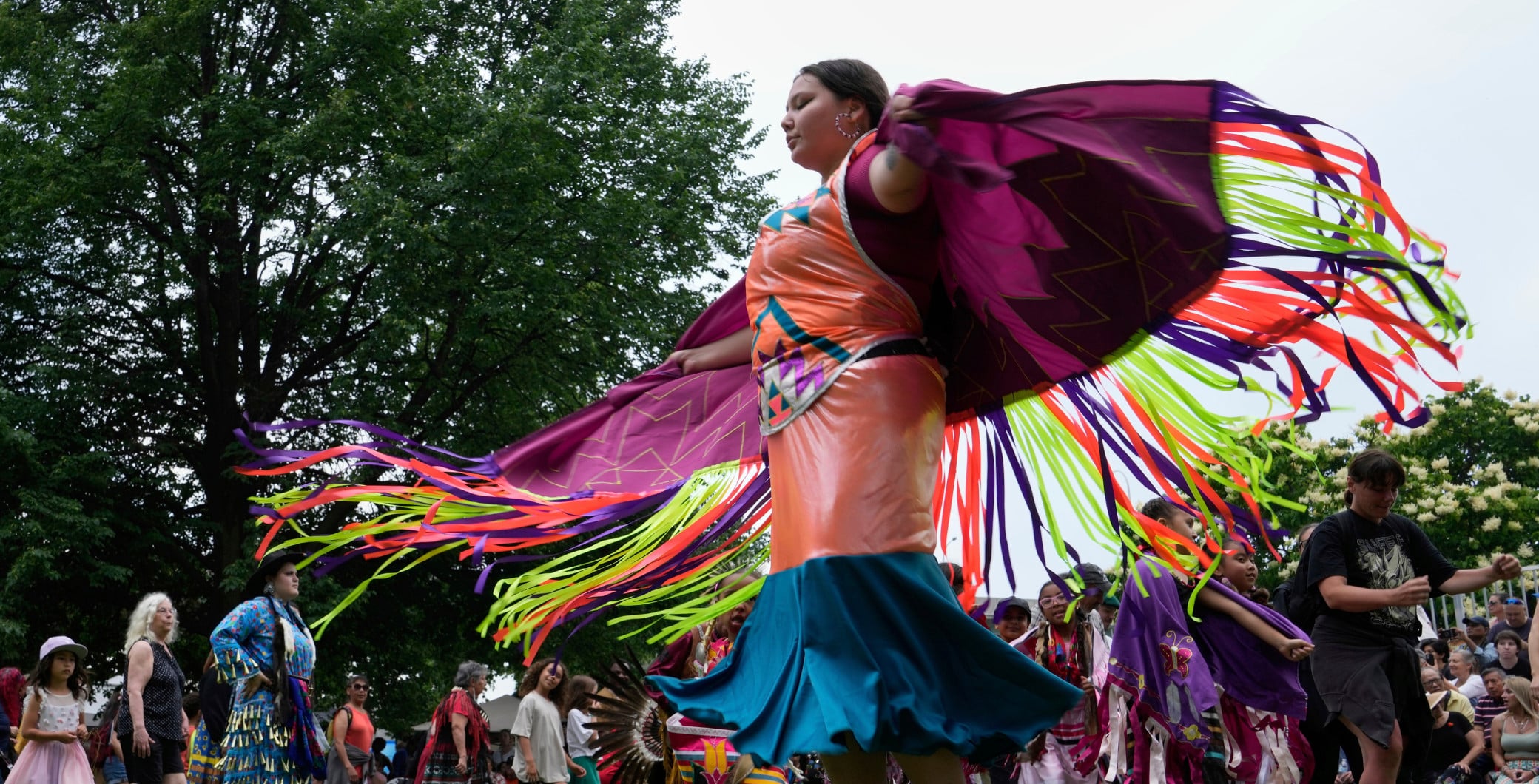
Under a wide summer sky, the name Biidaasige—meaning 'sunlight shining toward us' in Anishinaabemowin—feels like a promise fulfilled as Toronto prepares to host its free Indigenous Arts Festival this Saturday. For the first time, the celebration takes place in Biidaasige Park, a newly opened 2.5-hectare waterfront space designed in collaboration with Indigenous communities to honor ancestral knowledge, restore historic waterways, and create a living space for cultural gathering and healing. As part of Indigenous Peoples Month, the festival is a vibrant affirmation of resilience and creativity, co-organized by the City of Toronto and the Seven Grandfather Teachings, bringing together First Nations, Inuit, and Métis voices from across Turtle Island.
This one-day celebration pulses with tradition and contemporary expression alike. Attendees will be treated to a full lineup of cultural performances, from the rhythmic footwork of the Toronto Jiggers and Strings to the powerful resonance of Inuit drum dancing and the dynamic swirl of pow wow and hoop dancing. Lacrosse demonstrations will highlight the spiritual and athletic roots of the traditional game, while workshops offer hands-on connection to ancestral practices. As daylight fades, the evening crescendos with a concert featuring the Mississaugas of the Credit First Nation Youth Performance, the Manitou Mkwa Singers, acclaimed Mohawk artist Lacey Hill, Six Nations rocker Derek Miller, and the celebrated Inuk singer-songwriter Susan Aglukark, whose haunting voice has carried stories of identity and hope for decades.
Beyond the stage, the festival grounds come alive with the work of dozens of Indigenous-owned vendors. Visitors can browse handcrafted jewelry, traditional and modern clothing, original artwork, and sample foods that reflect the deep connection between culture and land. From beaded regalia to bannock served with wild berry jam, every item tells a story. The park itself—named through community engagement and rooted in ecological restoration—serves as more than a backdrop; it's a symbol of reconciliation in action, where native plantings and reimagined water channels echo the original landscape of the area.
Held previously at Fort York, the move to Biidaasige Park marks a meaningful shift, aligning the festival’s spirit with a space intentionally designed to reflect Indigenous values and environmental stewardship. As Indigenous Peoples Month invites reflection on centuries of presence, resistance, and contribution, events like this offer not only celebration but education and connection. With free admission and a central location, the festival opens its arms to all—a gathering place where culture is shared, not performed, and where sunlight, both literal and metaphorical, continues to shine forward.