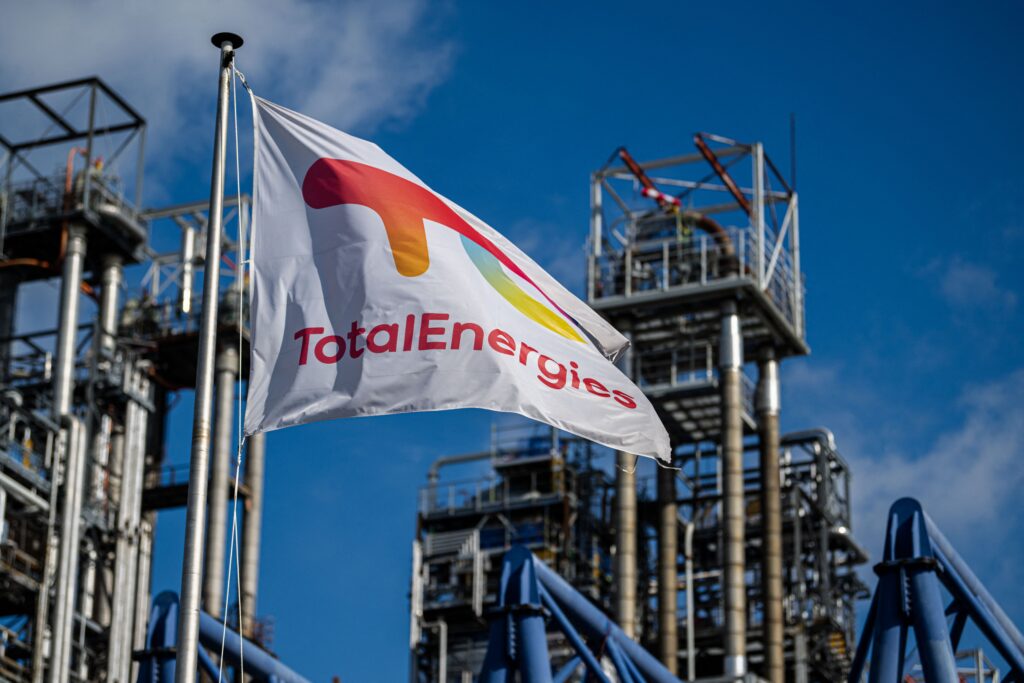
In a ruling that climate advocates are calling a watershed moment for corporate accountability, a Paris court has ordered TotalEnergies to account for the emissions produced when customers burn its fuels—a category of pollution the oil giant has long excluded from its climate plans. The court found that this omission violates France's landmark 2017 Duty of Vigilance law, which requires large companies to identify and address risks their operations pose to human rights and the environment. The decision, handed down Thursday, marks the first time a French multinational has been held liable under the law for failing to address climate-related risks. The ruling arrived as much of Western Europe endured a record-breaking heat wave that scientists say is directly fueled by the very emissions at the center of the case. France recorded its hottest days on record this week, with most of the country under a red alert for extreme heat. Théa Bounfour, senior environmental legal officer at Sherpa, one of the organizations that brought the lawsuit, said the court had drawn a clear line. "It sends a very, very clear message that fossil fuel companies are responsible for all of their emissions, including those generated by customers using their products," she said during a press conference. TotalEnergies has six months to revise its vigilance plan to incorporate Scope 3 emissions—those released when customers use the petrol, diesel, and jet fuel the company sells. These indirect emissions account for more than 90 percent of TotalEnergies' total attributable carbon footprint, making them by far the largest slice of the company's climate impact. The company said it would draw on its existing sustainability report to supplement the plan, pointing to its targets for reducing the carbon intensity of energy products it sells by 25 percent by 2030 compared to 2015 levels. The court stopped short of ordering specific measures like production cuts or an end to expansion—a point the company said it "notes with satisfaction." But the case is far from over. Judges will reconvene in January to assess whether TotalEnergies' revised plan is adequate, and could at that point require more targeted action to address climate risks. "In January, the judges will have the opportunity to put an end to Total's deliberate climate-destroying policy and make the law prevail over economic interest," said Clara Gonzales, co-program director at the European Center for Constitutional and Human Rights, which supported the plaintiffs. The lawsuit, initially filed in 2020 by Notre Affaire à Tous, Sherpa, France Nature Environnement, and the city of Paris, challenged TotalEnergies' broader response to the climate crisis, including its ongoing oil and gas expansion. TotalEnergies, already one of the world's largest oil and gas producers, has outlined plans to increase production by roughly 3 percent per year and is linked to at least 30 new fossil fuel projects. The plaintiffs argued that continuing such expansion is incompatible with keeping global warming below 1.5 degrees Celsius. For climate lawyers, the ruling represents more than a single company's obligations—it signals that the French legal system is prepared to enforce accountability for corporate climate impacts at scale. "This decision is really important because it paves the way for climate accountability of multinational companies in France," Bounfour said.
← News
Climate Policy Climate Policy Planet
French Oil Major Failed to Fulfill ‘Vigilance’ Duty on Climate, Paris Court Rules
TotalEnergies Ruling applies to
Over 90% Scope 3 emissions coverage
6 Months Plan revision deadline
2017 Vigilance Law Law used