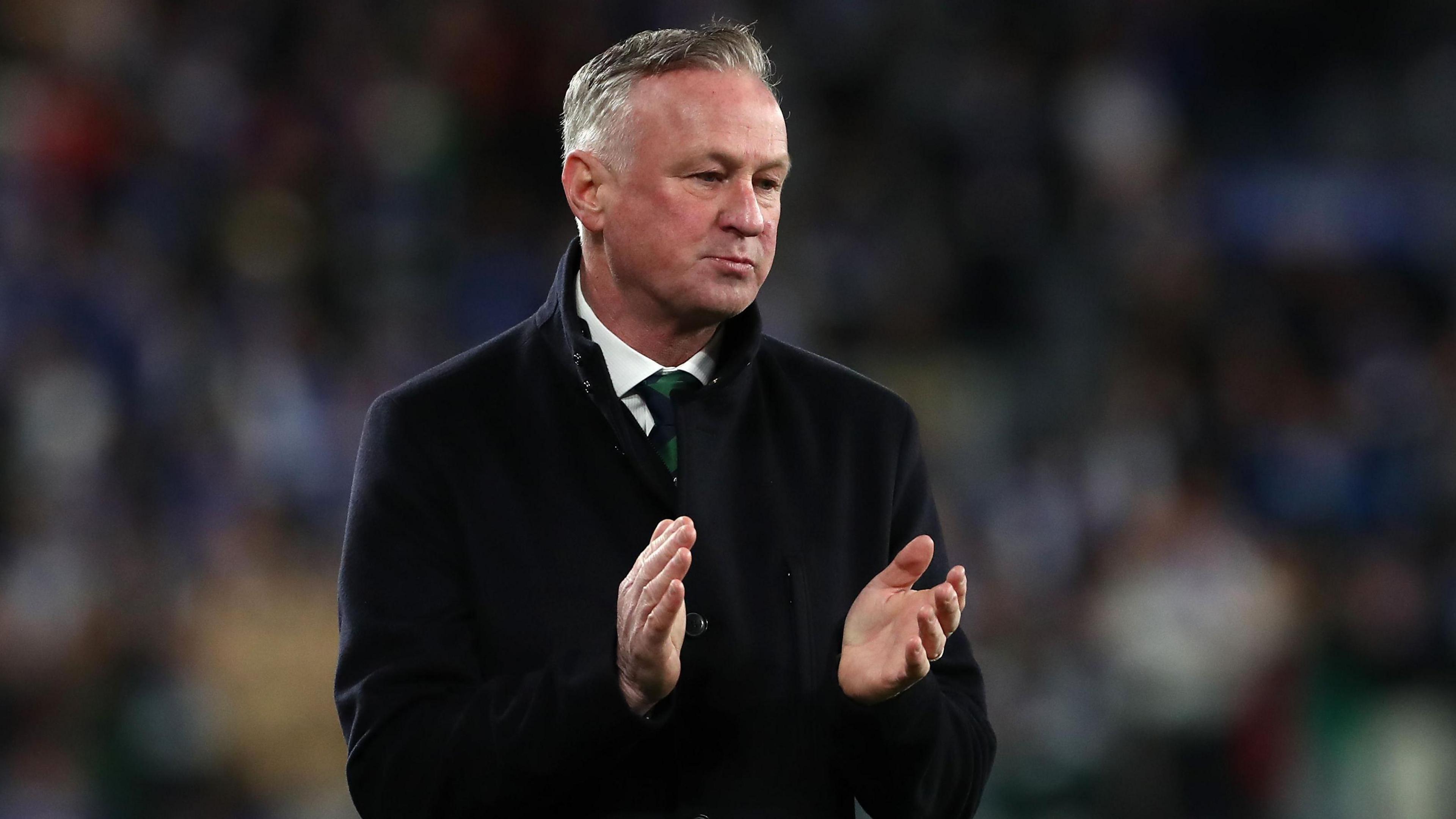
Braiden Graham, just 18 years old and fresh off scoring 22 goals in 31 appearances for Everton’s under-21s, has traded the training pitches of Goodison Park for the bright lights of international football. Alongside him, Ceadach O'Neill—no relation to the manager but equally promising—has stepped into the Northern Ireland senior squad, a recognition of the talent bubbling beneath the surface of Arsenal’s famed academy. For manager Michael O'Neill, these call-ups are not just feel-good stories; they’re strategic investments in a new era. With friendlies against Guinea on 4 June and France four days later, Northern Ireland is using these matches to sharpen a possession-based style and integrate youth into a squad still healing from March’s World Cup play-off heartbreak against Italy.
These games matter beyond the scoreline. They’re about shaping identity. "Just to enjoy the game and try and get as many players as we can involved," O'Neill told BBC Sport NI, outlining his vision. His focus is clear: evolve the team’s in-possession play, even as their defensive discipline has already earned praise. The average age of the squad underscores the intent—this is a team in transition, being built for the long haul ahead of the Nations League clash with Georgia, Hungary, and Ukraine.
Graham and Ceadach O'Neill haven’t made senior club appearances yet, though both have sat on the bench for their Premier League clubs. Still, their inclusion signals trust. "We're not putting any expectation on these lads that are here," the manager emphasized, "but we're here to let them know that they're very much in our plans." The next three years, especially the critical 18-to-21 window, could define their careers—whether they break through at top clubs or navigate loan spells to gain experience.
Facing Guinea, ranked 10 spots below Northern Ireland in the FIFA rankings, offers a first-ever meeting and a chance to test adaptability. Despite limited footage, O'Neill’s staff have studied the opposition’s European-connected squad, many of whom came through the French development system. Their new Portuguese coach adds unpredictability, but Northern Ireland is treating the match with the same rigor as a competitive fixture. Then comes France—a sterner test, but also a mirror. If Northern Ireland wants to play with composure and control, there’s no better benchmark than one of the world’s elite.
This isn’t just about results. It’s about rhythm, growth, and laying foundations. As young players take their first steps on the international stage, they’re not just representing a nation—they’re shaping its footballing future.