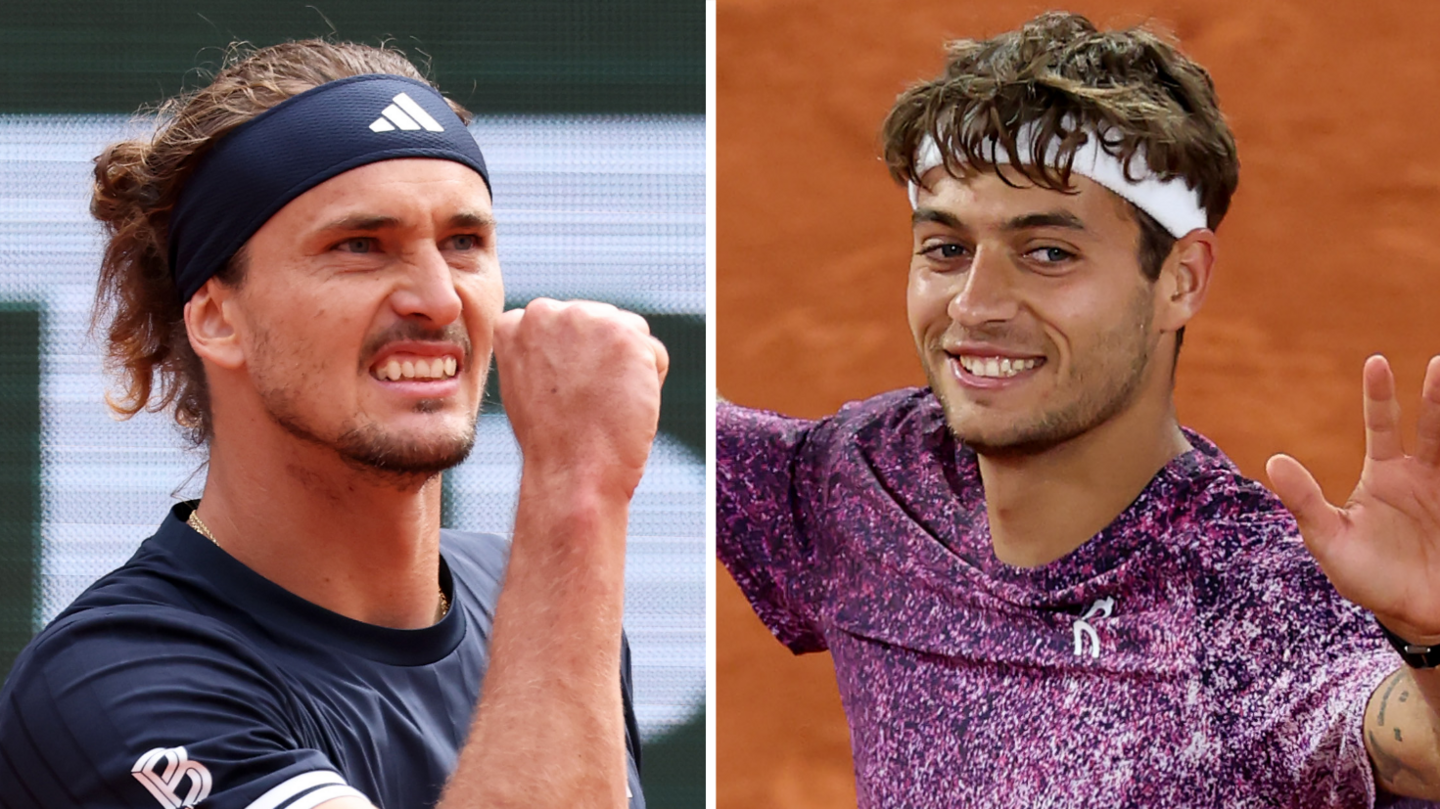
Alexander Zverev has lost three Grand Slam finals in his career, but on Sunday at Roland Garros, he will face an opponent who has never played in one—a detail that cuts both ways in the world's most pressurized matches. The German second seed and Italian 10th seed Flavio Cobolli have become genuine friends since teaming up for Europe at the 2024 Laver Cup, bonding over tennis shop talk and movies while their fathers, who also serve as their coaches, have grown close. Now they must meet in the French Open final with nothing less than a career-defining Grand Slam title on the line.
The friendship is real, and both men acknowledge it openly. Zverev speaks warmly of Cobolli, calling him "a great player, a great guy" and saying he is genuinely happy his friend reached the final. Cobolli regularly asks Zverev for advice about the sport, while the pair enjoy casual conversation about cinema. Yet both insist the court will tell a different story. "When you play a Grand Slam final, it's not that difficult [to put friendship aside] because it means you reached the best stage in tennis," Zverev explained after his semi-final. "You still try to beat each other and you still try to win, but that's OK." This season, they have already met twice on clay—Cobolli won in Munich, Zverev took revenge in Madrid—and Sunday will be their third encounter.
At 29, Zverev carries the weight of expectation into this final, having reached the championship match at Roland Garros two years ago only to fall short. He also lost the 2020 US Open final to fellow friend Dominic Thiem after surrendering a two-set lead, and then came up short against Carlos Alcaraz and Jannik Sinner in subsequent majors. The emergence of Alcaraz and Sinner seemed to have closed a window that was already growing narrower. A year ago, Zverev admitted feeling mentally "empty," raising questions about whether he had missed his chance entirely. His previous opponents have all carried the scars of major finals. Cobolli has not—a fact that introduces genuine uncertainty into the narrative.
Cobolli, the 24-year-old from Italy, nearly didn't play his semi-final at all. He received a walkover when compatriot Matteo Arnaldi withdrew due to illness, meaning Cobolli has not competed in a match since Wednesday. The layoff could prove either advantageous—fresh legs and a rested mind—or disruptive to momentum. "I will be ready but I also know that I will be fresh," Cobolli said, hedging his bets. "Maybe [not playing] helped, maybe not. I will tell you after the final."
What distinguishes Zverev's current mindset from his previous finals appearances is a studied detachment from the weight of expectation. Since becoming the clear favorite, he has said he "doesn't care" about external pressure. "I focus on the next match and on the opponent as they cross the net, and that's the only thing that I can control," he said. In his past two matches, he has looked composed against Spanish teenager Rafael Jodar and Czech 26th seed Jakub Mensik. Whether that composure can hold against a friend who represents both a personal rival and, for Cobolli, the greatest opportunity of his young career remains to be seen.