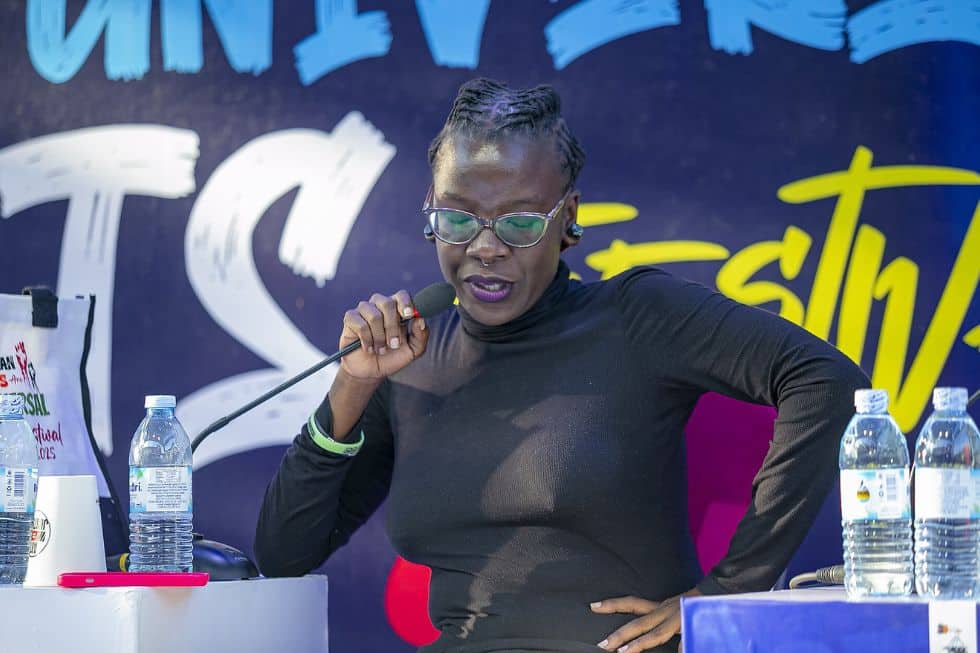
When Uganda's parliament convened in late 2025, women occupied 34.1% of the seats—a threshold that quietly surpassed Germany, France, and most other Western democracies. This number represents far more than a statistical milestone: it signals a fundamental reimagining of what happens when a nation treats women's political participation not as a courtesy gesture, but as essential infrastructure for lasting peace.
Uganda's achievement matters because the world remains desperately out of balance. Today, 676 million women live in proximity to deadly conflict, and sexual violence in armed conflicts surged 87% between 2022 and 2024. Yet women remain almost entirely absent from the tables where peace is negotiated. Globally, only 7% of peace negotiators and 14% of mediators are women—a stunning exclusion given overwhelming evidence that their involvement produces more durable peace agreements.
The gap between international ambition and reality has been cavernous since the UN Security Council adopted Resolution 1325 on October 31, 2000, declaring that sustainable peace is impossible without women's participation and leadership. Two decades later, most nations have adopted national action plans to implement the resolution. But in nine out of ten active peace processes, women negotiators are nowhere to be found. The document's promise of systematically involving women in conflict prevention and decision-making has largely remained rhetoric, particularly across Africa where the divide between policy and practice remains stark.
Uganda stands out as a genuine exception. As early as 2008, it became one of the first African states to formally incorporate the Women, Peace and Security agenda into state structures and create institutional spaces for female participation. The result: a parliament where women now hold more seats than in countries like Germany. The shift reflects Uganda's response to decades of internal conflict and a deliberate choice to build governance differently during reconstruction.
Yet Uganda's story resists simple celebration. Real political power remains tightly concentrated within a strictly presidential system dominated by President Yoweri Museveni for nearly four decades. Women hold office, but within structures where independent political opposition and civil society oversight are systematically constrained. International donors have embraced Uganda's gender progress narrative because it signals positive change and justifies funding commitments, even as deeper democratic institutions remain limited in their ability to act. True power, analysts note, remains reserved for a small political elite.
This tension—between measurable representation and structural transformation—defines the challenge facing every country serious about Resolution 1325. Uganda demonstrates that progress is possible even amid conflict's aftermath and entrenched power structures that resist change. Women in parliament can draft legislation, chair committees, and model alternative forms of leadership. A society cannot realize its full potential when half its population is excluded from governance and peacebuilding processes. But representation alone, without corresponding shifts in how power actually flows, leaves the deepest imbalances untouched.
Uganda's path suggests that meaningful change requires both formal inclusion and sustained pressure on patriarchal structures that continue to solidify even as women ascend to office. The work is far from finished—but the fact that it has begun, and visibly, offers a template that other nations watching from the margins might finally choose to follow.