Thirty years ago, Italy was basically garbage at recycling. Less than 10 percent of the country's waste got a second life in 1997. But something remarkable happened: by 2020, Italy was recycling over 60 percent of its waste, sending only 20 percent to landfills. That kind of turnaround deserves a round of applause — and maybe a closer look at how they pulled it off.
The secret isn't some high-tech magic or complicated new system. Italy simply made recycling stupidly easy. During a summer visit, writer Alex Kirby noticed six straightforward practices that anyone could understand and follow.
First, every piece of packaging in Italy comes with its own recycling instructions printed right there. Since 2023, a European directive has required manufacturers to label exactly which part goes in which bin. Take a yogurt container: the plastic lid goes in plastic recycling, the foil seal goes with metals, the main container is plastic, and the paper label hits the paper bin. No guessing games. No Googling "can I recycle this?" in a parking lot. Just read the label and drop it in the right spot.
Second, the basic recycling bins are everywhere. Glass, metal, plastic, paper, and food scraps — each has its own bin or bag. Italy even simplifies plastic recycling by asking people to toss all plastics into one yellow bag. No need to decode those confusing triangle symbols or figure out which plastic type is recyclable. One bag, done.
Third, food composting has been normal in Italy since the late 1990s, and now it's the law across the entire country. People toss food scraps into compostable bags — available free at supermarkets — and set them out for pickup. Compare that to the United States, where only about a third of the population has access to food composting programs. Keeping food out of landfills matters because decaying scraps release methane, a greenhouse gas that warms the planet way faster than carbon dioxide.
Fourth, special bins for tricky items appear on nearly every block. Used cooking oil, old clothes, electronics, corks — Italy has containers for all of it. The bins sit in convenient spots so disposing of these items feels effortless rather than like a scavenger hunt.
Fifth, since 2018, every single plastic bag handed out at Italian supermarkets has been compostable. That means the bag carrying your tomatoes for five minutes won't outlive you, your grandchildren, or civilization. The bags even double as free containers for food scraps. Because they're designed to break down, they don't blow around streets or get caught in trees.
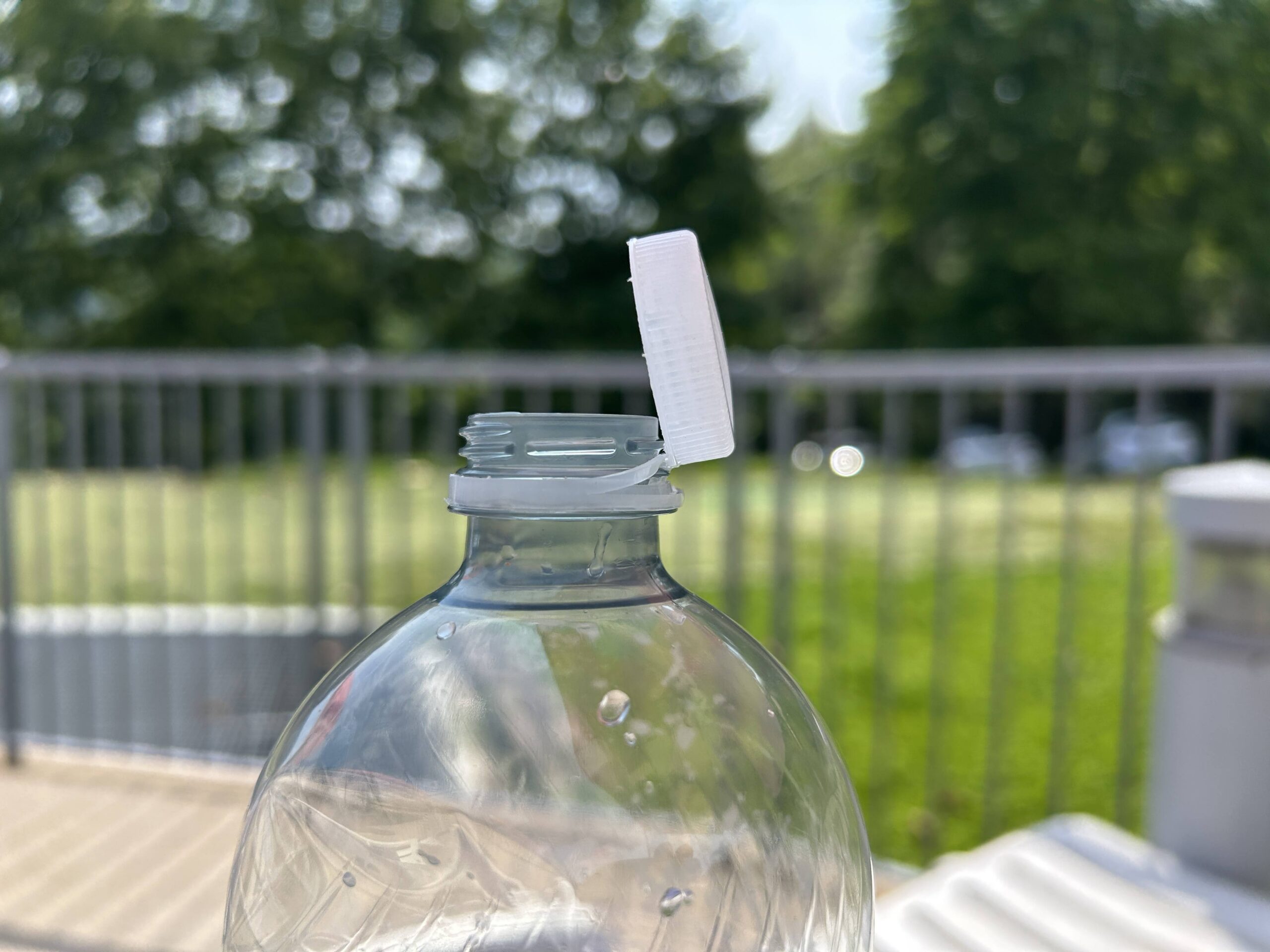
Sixth, Italy tackled bottle cap litter. European regulators noticed that loose caps were one of the most common pieces of plastic trash washing up on beaches. So starting in 2024, manufacturers must attach caps directly to bottles. Open a water bottle, and the cap stays connected. It's a tiny change that solves a big problem.
The European Union deserves credit too, since many of these rules come from EU directives that all member countries follow. But Italy ran with them, and now the rest of the world could learn a thing or two. If a country that once barely recycled can become a world leader in two decades, just imagine what's possible everywhere else.