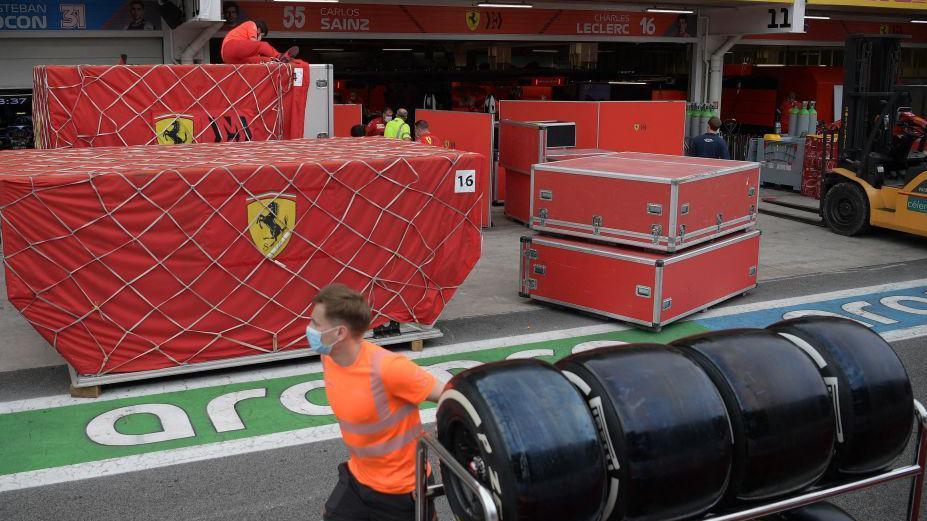
When the checkered flag dropped on the 2025 Formula 1 season, the scoreboard told a story beyond laps and podiums: 148,805 tonnes of carbon dioxide emitted — a 35% drop from 2018 and a clear signal that the world’s fastest sport is accelerating toward a cooler future. For a global spectacle built on speed and precision, F1’s latest environmental review reveals a quieter revolution unfolding behind the scenes — one powered not by engines, but by strategy, sustainability, and sea freight. Since 2018, the sport has slashed emissions from its factories and facilities by 64%, while logistics emissions have fallen 29% overall, thanks to smarter race scheduling and a decisive shift from air to ocean transport. The 2025 season alone saw a 12% year-on-year reduction, proving that even at peak performance, climate progress isn’t slowing down.
These numbers matter because F1’s footprint once seemed inseparable from its identity — private jets, transcontinental cargo flights, and energy-intensive operations across 22 teams and 20+ race locations. But now, geographic clustering of races — like pairing the Miami and Canadian Grands Prix back-to-back — has cut logistics emissions by nearly 3% in one season. Moving the Japanese Grand Prix to spring so it follows Australia and China has further streamlined travel. Even more transformative: the 2026 mandate for advanced sustainable fuels, which reduce greenhouse gas emissions by 80% compared to fossil fuels. Though race-day emissions are a small slice of the total, the symbolic and technological ripple effects are vast.
The data behind these gains is rigorously tracked through a third-party reporting platform, ensuring transparency in everything from fuel use to facility energy. Ellen Jones, F1’s head of environmental, social and governance, emphasized that doubling investment in sustainable aviation fuel and making the sport’s first move into sustainable maritime fuel are central to the plan. “By doubling the sport's investment in sustainable aviation fuel, making our first investment in sustainable maritime fuel, and continuing to work closely with promoters, teams and partners, we are driving further emissions reductions while accelerating the adoption of the latest technologies,” she said. F1 president Stefano Domenicali called the progress “made possible by the collective effort across the sport,” noting that growth and sustainability aren’t mutually exclusive.
With a firm target to cut absolute emissions by at least 50% by 2030 — and offset the rest through credible programs — F1 is proving that high-octane entertainment can coexist with environmental responsibility. The road ahead includes scaling new fuels, optimizing global logistics, and inspiring fans and industries alike. As the grid lines up for the next decade, one truth is clear: the future of racing isn’t just fast — it’s sustainable.