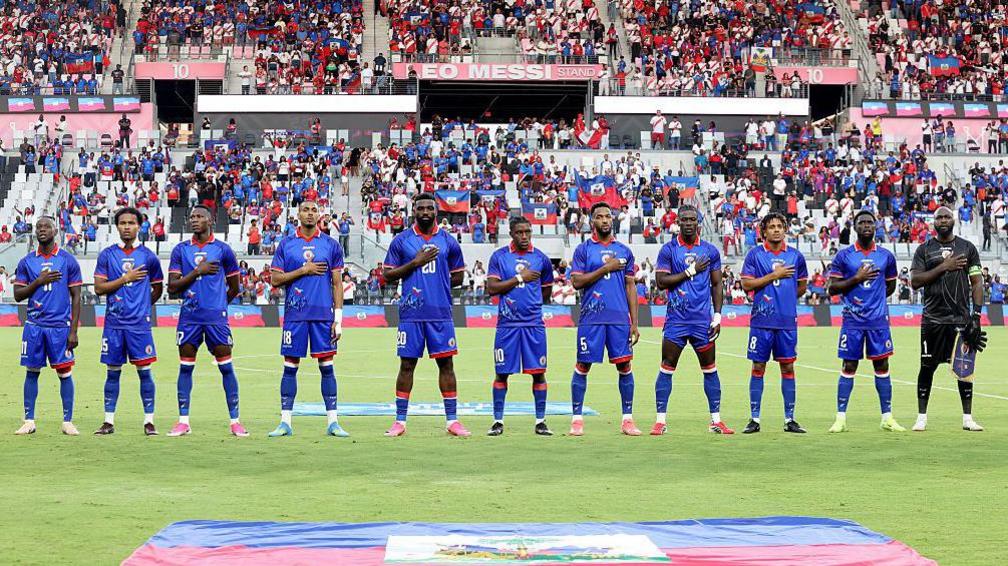
In 2004, when Brazil's world champions arrived in Port-au-Prince for an exhibition match, the violence stopped for two days. Thousands of Haitians lined streets and climbed trees, waving Brazilian flags and wearing yellow and green, creating what journalist Pierre Richard Midy recalls as "an atmosphere of peace"—gangs seemed "ready to turn the page and cease fire." This year, Haiti is preparing for something even rarer: their first World Cup appearance in 50 years, and they'll face Brazil again, alongside Scotland and Morocco in Group C.
For a nation where gang warfare dominates daily life and the national team hasn't played a home match in five years, football has become something far bigger than sport. It is a lifeline of hope. Streets have been cleaned and Haitian flags hung with pride as fans find creative ways to watch matches in a country plagued by chronic electricity shortages. Yet the obstacles are immense. The coach has never set foot on the island. Sixteen of the 26-man squad were born abroad across five countries, representing 25 clubs from 15 countries. Haiti's players have been training 500 miles away in Curaçao, unable to prepare on home soil.
The dangers are starkly real. In 2024 alone, Amnesty International reported 5,600 people killed in Haiti—a nation of 11.5 million where gang control intensified after President Jovenel Moise's assassination in 2021 left a power vacuum. The country grapples with a humanitarian crisis deepened by disasters like the 2010 earthquake that killed more than 100,000 people. US travel bans imposed during Trump's administration, combined with prohibitive costs, mean few fans can attend World Cup matches in person.
Yet within this darkness shines Woodensky Pierre, Haiti's only domestic-based player. A defensive midfielder raised in the slum of Cite Soleil, he plays for Violette AC, one of Haiti's biggest clubs. Their home stadium was taken over by gangs two years ago, yet Violette became league champions a month before the World Cup—despite a gunfire delay during their final match. Woodensky was called up purely on the basis of online videos because coach Sébastien Migné couldn't see him play in person. "This player is from one of the most dangerous neighbourhoods in Haiti," Midy explains. "He is precious for Haitian people because we think he's the one to say, 'we are not dead, we have talent here'."
Haiti's all-time top scorer, Duckens Nazon, embodies this spirit. Born in France to Haitian parents, he carries the weight of representation. "When we put the shirt on, it's more than a normal game. We are the first independent black nation in the world. We have a lot of history," he says. His message to the next generation is deliberate: "You're not obligated to take weapons. You're not obligated to go with gangs or to deal or smoke drugs. There are so many ways to get out of the struggle."
Migné, a Frenchman who served as Cameroon's assistant coach at Qatar 2022, has woven these scattered threads into something coherent. "When I'm watching the games of Haiti, I cannot explain how he does it," Midy says. "He said, 'It's not me, it's the players. I don't have no secret. I just tell them put your heart in it.'"
For Haiti, this World Cup is about far more than scorelines. It is about reminding a nation fractured by violence that another path exists—one where passion, talent, and hope can flourish.