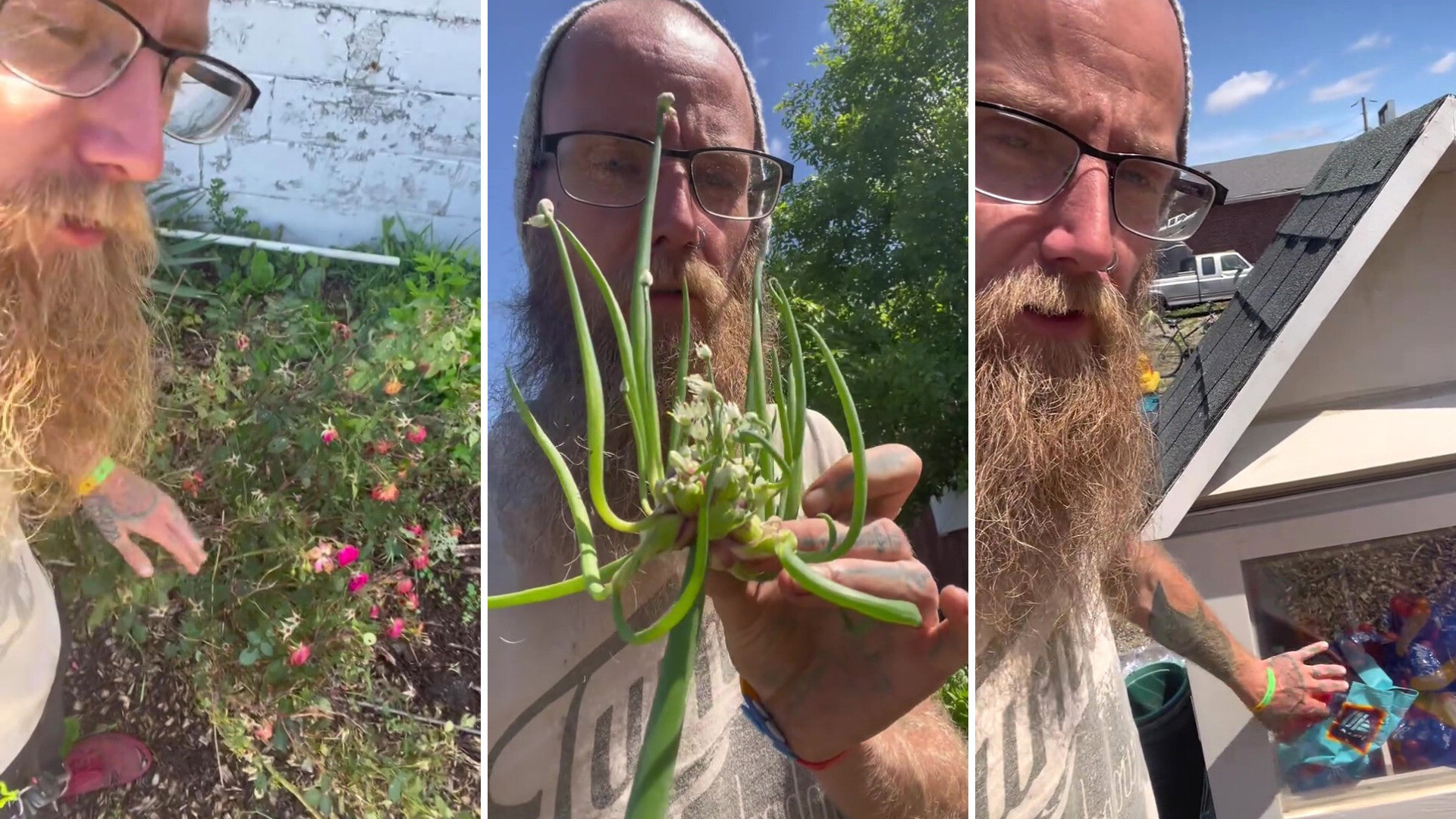
When TikTok gardener joey (@joeyplantstreesbackup) started tallying what their neighbors had gifted them over time, the list stretched far beyond what any seed catalog could offer: spent growing blocks from a local mushroom farm, salvaged bricks from a demolition project, hay bales left over from fall decorations, bags of leaves for mulch, wooden pallets transformed into a compost bin, and even a repurposed Little Free Pantry for sharing produce. What began as a simple hobby had quietly opened a door to an unexpected world of abundance.
The surprise, joey realized, wasn't the mulch or the harvests. It was how willing people were to share.
In a TikTok posted May 25, joey documented this discovery, and the response from viewers made clear this wasn't an isolated experience. Gardening, it turns out, has become a quiet engine of community generosity—one that challenges the assumption that growing food must be an expensive undertaking. When pots, soil, tools, seeds, and raised-bed materials add up to real costs, the ability to source materials from neighbors, local businesses, and creative reuse transforms what might seem like a luxury hobby into something genuinely accessible.
But the impact runs deeper than economics. The generosity joey witnessed wasn't limited to surplus materials. One neighbor responded to a stolen bike by gifting an old bike cart. Another gardener in the comments marveled at being so excited to share plant cuttings that they opened their door to a stranger. These moments reveal something worth noticing: sharing seeds and seedlings doesn't just save money—it strengthens the social fabric of neighborhoods, building the kind of resilience that matters when times get difficult.
What makes this shift especially significant is its environmental dimension. The materials joey received would otherwise have become waste. Leaves destined for the landfill become mulch. Decorations and demolition scraps get a second life. Pallets that might have been discarded become functional garden infrastructure. In neighborhoods where gardening becomes a language of generosity, waste becomes a resource, and sustainability becomes something that happens naturally through everyday sharing.
Commenters across the TikTok reinforced the pattern. "Gardening and crafting people are some of the most generous people," one wrote. Others shared similar wins: "I got most of my edging and pots free from people that didn't want them." Someone else described the thrill of answering their door to a neighbor asking for plant cuttings, transforming a simple request into a moment of connection.
For anyone inspired to tap into this emerging gift economy, the entry point is straightforward. Simply letting neighbors know you garden can be the spark—sharing extra seedlings, herbs, produce, or seeds opens pathways to future exchanges. Local seed swaps, Buy Nothing groups, community garden boards, and neighborhood social media pages have become fertile ground for finding free or low-cost supplies. These aren't alternative channels; they're becoming the primary infrastructure of how gardeners actually source what they need.
What joey's story ultimately reveals is that gardening teaches something beyond botany. It teaches that generosity isn't scarce—it's waiting to be activated. In communities where people garden, abundance becomes something that's shared rather than hoarded, and neighbors become allies in creating something that's richer than any single person could build alone.