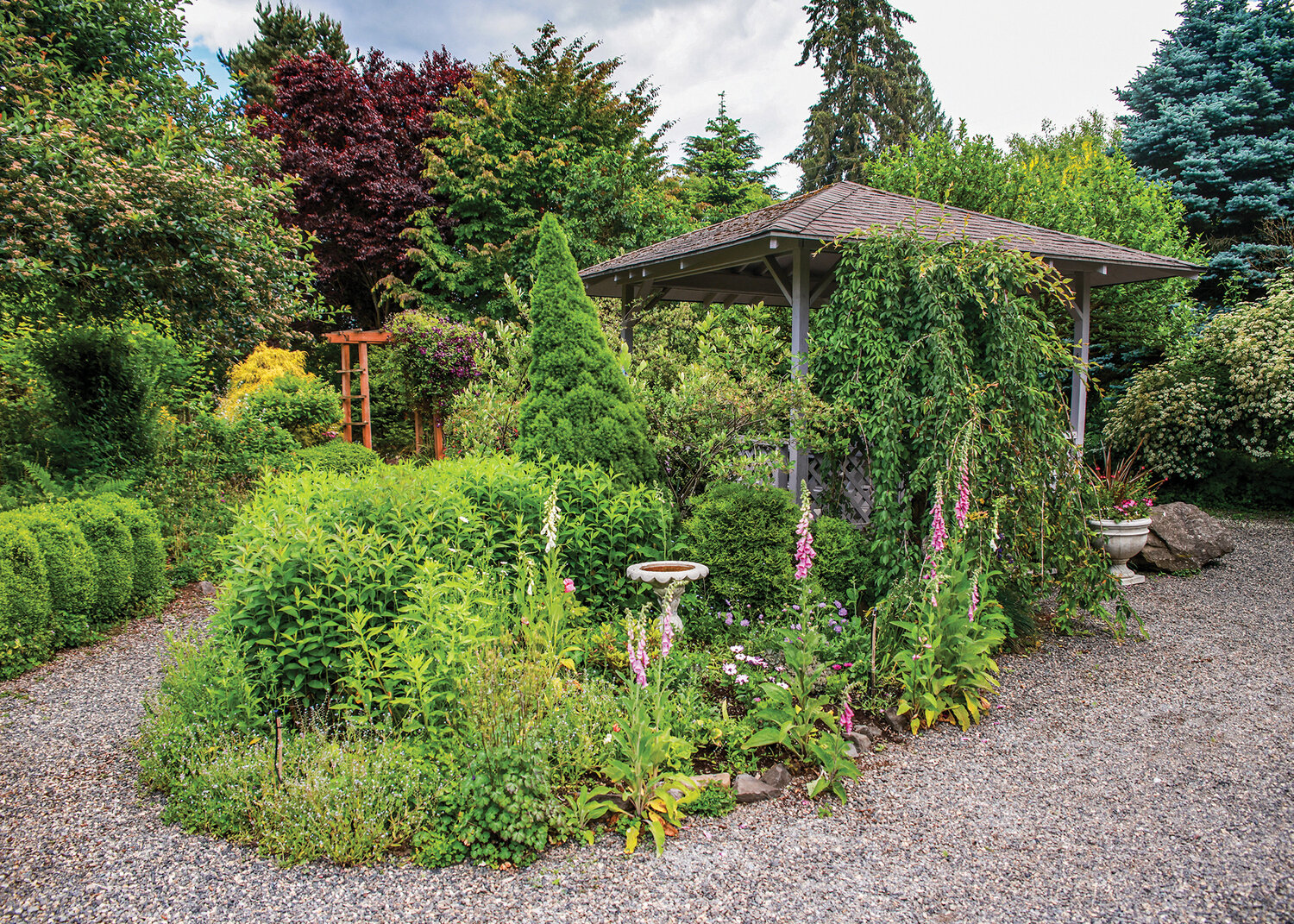
On a winding path through 10 themed garden spaces in Brush Prairie, Washington, a Douglas fir tree stands as a living monument to what volunteers can build when they simply decide to plant something together. That massive tree, transported to the site decades ago by community hands, now shelters visitors and pollinators alike—a reminder that the Wildlife Botanical Gardens didn't spring from a developer's blueprint or a government grant, but from persistent, shared intention.
For more than 30 years, the gardens have quietly cultivated something deeper than plants. What began in 1992 as an experiment by the Backyard Wildlife Habitat Committee—a simple goal to demonstrate environmentally friendly gardening practices—nearly died before it took root. Repeated vandalism at an early site forced the organizers to abandon their first attempt. But instead of giving up, they found permanent ground through a partnership with Battle Ground Public Schools' Center for Agriculture, Science, and Environmental Education (CASEE), and volunteers transformed the space into the thriving sanctuary it is today.
Marlene Dellsy, who works with NatureScaping of Southwest Washington, the organization that maintains the gardens, speaks about the space in terms that go far beyond horticulture. "Just having a place for people," she explains, "we've had people tell us in the past who did volunteer quite extensively for a chunk of time, say that it actually helped them get through PTSD, helped them clear their heads mentally, gave them a cause." The gardens have become a refuge for school groups from the district conducting environmental field trips, for retirement communities bringing residents to stroll pathways they can no longer maintain at home, for families spending afternoons among native plants and pollinator habitats, and for local clubs gathering beneath gazebos during warm months.
What keeps the gardens alive is the same force that started them: volunteer commitment. Master Gardeners bring decades of expertise alongside high school students earning community service hours. Some volunteers return weekly; others contribute when they can. Work parties draw people of all skill levels into a shared learning environment where knowledge flows freely and hands move together through the soil. That access to learning—what Dellsy calls "the cool thing"—means newcomers and seasoned gardeners alike discover something valuable while working.
The origins reveal the nature of the place. Early donations built it: sheds appeared, volunteer excavation work softened the earth, and that extraordinary Douglas fir made its journey to become a centerpiece. Today, partnerships with Compost Clark County and CASEE students keep the gardens functioning, with help on composting and maintenance projects that no single organization could manage alone.
The Wildlife Botanical Gardens exist at 11000 NE 139th Street in Brush Prairie, open daily from 7:30 a.m. to 7 p.m., not as a monument to what one person envisioned, but as proof of what a community can sustain when it chooses to tend something together. For three decades, that choice has kept flowering.