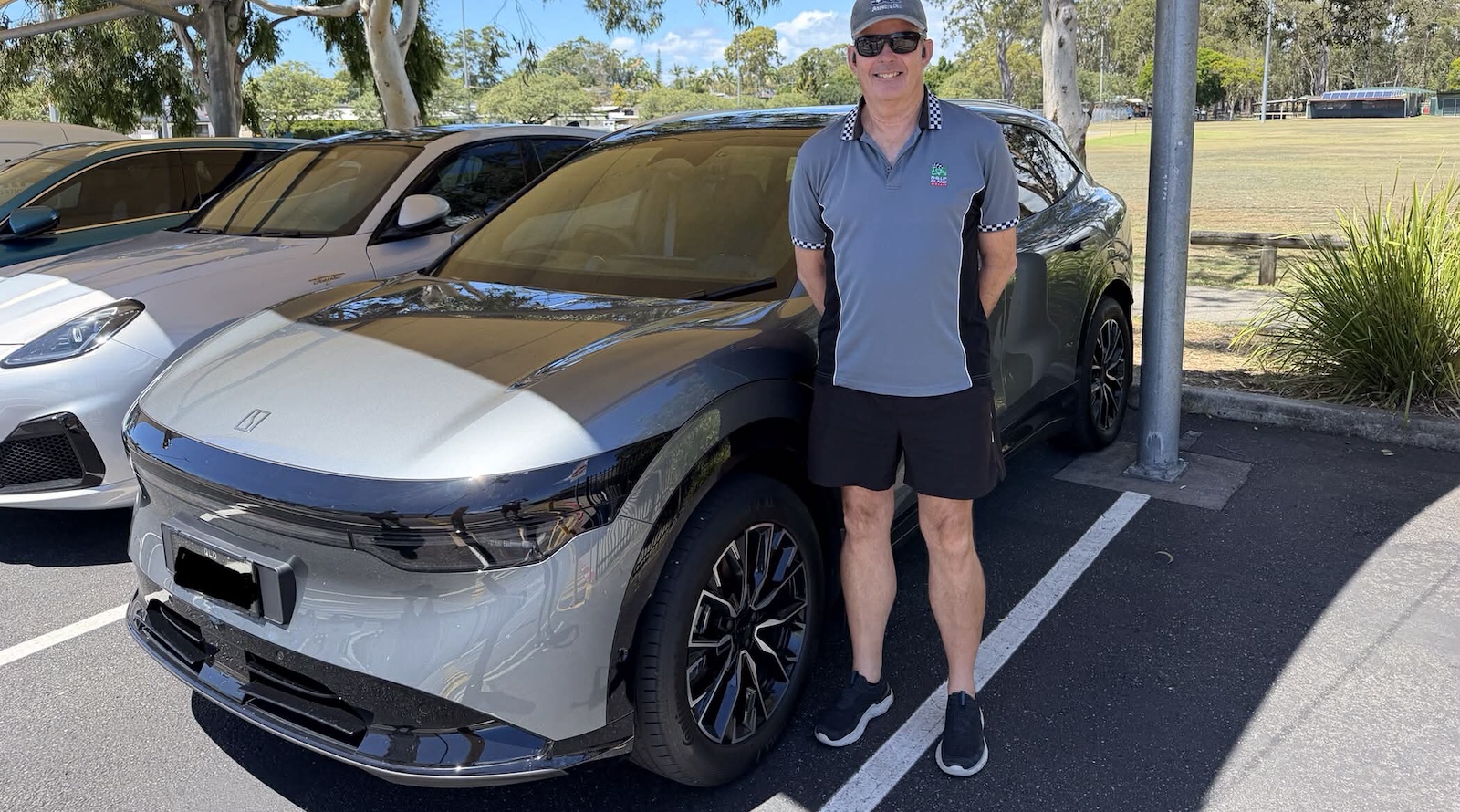
When Geely's electric vehicle brand Zeekr begins rolling off a production line in Malaysia in early 2027, it will mark more than just a new factory opening — it will signal a quiet but meaningful shift in how electric vehicles are spreading across the globe. The Chinese auto giant, which owns 49.9 percent of Malaysian automaker Proton, plans to start manufacturing the Zeekr 7X SUV at a facility in Malaysia, with an ambitious goal: double the foreign sales of its EV brands Zeekr and Lynk & Co to more than 100,000 vehicles in 2026.
The Chinese EV market remains the world's largest by a significant margin, but it contracted this year as the broader auto market shrank. That contraction has pushed Chinese automakers to look outward, seeking growth in markets where electric vehicle adoption is still accelerating. For Geely, Malaysia is a strategic starting point — a country with a growing appetite for cleaner transportation and an existing manufacturing partner already in the family.
What makes Geely's approach stand out is its strategy of repurposing rather than building new. Rather than constructing greenfield factories, the company is moving to take over underutilized auto production facilities around the world, including in protected markets like Europe. The global auto industry currently sits on significant unused capacity, and Geely sees an opportunity to put that infrastructure to work rather than creating more industrial footprint from scratch.
Zeekr already operates in more than 50 countries, and this year the brand is pushing further, entering South Korea, New Zealand, South Africa, and the United Kingdom. That expanding footprint, paired with local manufacturing in key markets like Malaysia, positions Geely to bring more affordable electric vehicles to consumers who might otherwise wait years for EV options to arrive.
The numbers aren't at Tesla or BYD scale — not yet — but 100,000 exported EVs in a single year is nothing to dismiss. It is hundreds of thousands of tailpipes quietly disappearing from city streets, replaced by vehicles that run on increasingly clean grids. And with Geely leveraging existing factories instead of breaking ground on new ones, that growth comes with a lighter environmental toll than traditional auto expansion.
For a world trying to phase out fossil-fueled transport, having one of China's largest automakers actively working to scale electric vehicle adoption globally — rather than simply serving its domestic market — is a development worth watching.