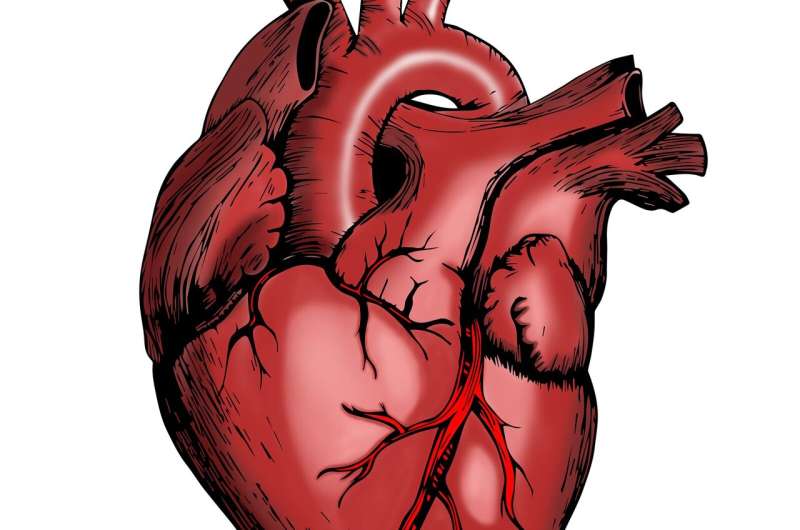
When 24-year-old Marcus Rivera stood up without assistance for the first time in months after receiving an experimental gene therapy at Weill Cornell Medicine in New York, his mother wept—not just for the regained strength, but for the hope it carried. Marcus is one of 17 patients with Friedreich ataxia cardiomyopathy, a rare and fatal inherited heart disease, who took part in a groundbreaking phase 1 clinical trial that may signal a turning point in treating the condition at its genetic roots. Led by Dr. Ronald G. Crystal, the study published in JAMA Cardiology shows that a single intravenous infusion of a healthy frataxin (FXN) gene was not only safe but began reversing key markers of heart damage.
Friedreich ataxia affects as many as 1 in 50,000 people in the U.S., caused by mutations in the FXN gene that cripple the body’s ability to produce frataxin, a protein vital for energy production in high-demand organs like the heart and brain. While neurological symptoms often appear in childhood, it’s heart failure—driven by thickened heart walls and inefficient pumping—that claims up to 65% of lives. Until now, treatment options have been limited: the FDA-approved drug Skyclarys slows neurological decline but doesn’t correct the underlying genetic defect.
The new therapy, developed using an adeno-associated virus to deliver a functional FXN gene directly to heart cells, was tested across two studies—nine patients at Weill Cornell and eight through Lexeo Therapeutics, a genetic medicine company founded by Crystal himself. Over periods ranging from 6 to 36 months, patients received one-hour infusions at three different dose levels. The treatment proved generally well tolerated, with only four serious adverse events, all resolved and likely tied to prednisone, an immunosuppressant given to prevent immune rejection.
More striking were the signs of healing. In the Lexeo cohort, heart biopsies taken before and three months after treatment revealed increased frataxin protein levels in every single patient. MRI scans showed a measurable decrease in left ventricular mass index—a sign that dangerously thickened heart walls were beginning to normalize. Even more telling, levels of troponin I, a protein that leaks into the bloodstream when heart muscle is damaged, dropped significantly. For a disease with no cure and a relentless trajectory, these changes are nothing short of transformative.
“This is a fatal disease, but this is a potential therapy, and our goal is FDA approval,” Dr. Crystal said, his voice steady with conviction. With Weill Cornell Enterprise Innovation helping launch Lexeo in 2020 and license key technology, the path from lab to clinic is already in motion. While larger trials are needed, this early success offers a beacon for thousands: a future where a single infusion could rewrite the course of a once-inevitable decline.