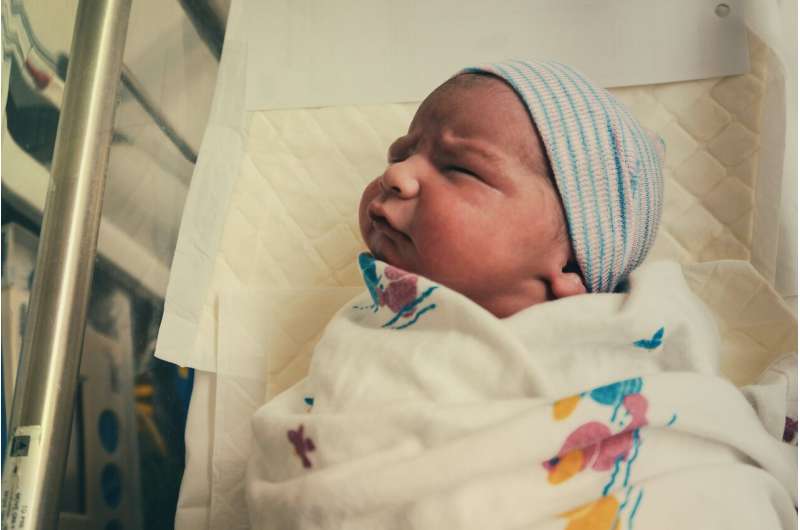
When a baby is born without a pancreas, parents once faced a crushing wait—years of uncertainty before a diagnosis could explain their child's mysterious illness. Today, that agonizing timeline has shrunk to weeks, thanks to advances in genetic testing that can now pinpoint the cause of pancreatic agenesis in 98% of affected children.
Pancreatic agenesis is extraordinarily rare, yet its consequences are immediate and lifelong. Babies born with the condition develop neonatal diabetes within their first six months, since the missing pancreas cannot produce the insulin needed to regulate blood sugar. Worse, without a functioning pancreas, their bodies cannot generate the digestive enzymes essential for breaking down food. For decades, doctors relied on abdominal scans to diagnose the condition—a frustrating process that left families without answers about what had gone wrong or what the future might hold.
Researchers at the University of Exeter have transformed that picture. Their study, published in The Lancet Diabetes & Endocrinology, identified the DNA changes responsible for pancreatic agenesis in 125 of 129 study participants—a breakthrough that reflects 30 years of dedicated work to understand this disease at the genetic level. Professor Sarah Flanagan, Professor of Genomic Medicine at the University of Exeter, described recruiting such a large cohort as "an outstanding achievement," given how rarely the condition occurs.
What makes this discovery so significant is not just the diagnostic accuracy, but what it means for families. Dr. Elisa De Franco, the study's lead researcher, emphasizes that "DNA changes are responsible for pancreatic agenesis without any important contributions of the environment"—meaning this is purely a genetic condition, not something parents did or failed to do. That clarity matters profoundly when families are already reeling from a diagnosis. Knowing the genetic cause allows healthcare professionals to explain the disease's impacts, prepare families for what lies ahead, and connect them with resources and support networks they desperately need.
The speed of diagnosis has been revolutionized by improvements in genetic testing technology. Parents can now send a sample for DNA testing and receive answers within weeks, rather than enduring the years of uncertainty that characterized the old pathway. For families navigating the shock and complexity of raising a child with a rare condition, those saved weeks represent something invaluable: the chance to plan, to understand, and to move forward with clarity instead of fear.
This study stands as a testament to how genetic science is reshaping medicine, especially for rare diseases where answers have historically been scarce. By combining rigorous research with technological innovation, the Exeter team has given families something they desperately needed: proof that even the rarest conditions can be understood, diagnosed rapidly, and explained. In doing so, they've transformed what once was a source of prolonged anguish into a challenge that families can now face with knowledge in hand.