In 1979, Geoff Yeadon and Oliver Statham emerged from the flooded depths of the North Yorkshire cave system having completed what the world had never seen before: an underwater swim of 1.8 kilometres through a single direction, connecting Kingsdale Master Cave with Keld Head. The feat made them instant celebrities when Yorkshire Television broadcast their story in the documentary The Underground Eiger, which captured the imaginations of 20 million viewers — a staggering audience for an account of two long-haired young men descending into the darkness beneath the Yorkshire Dales.
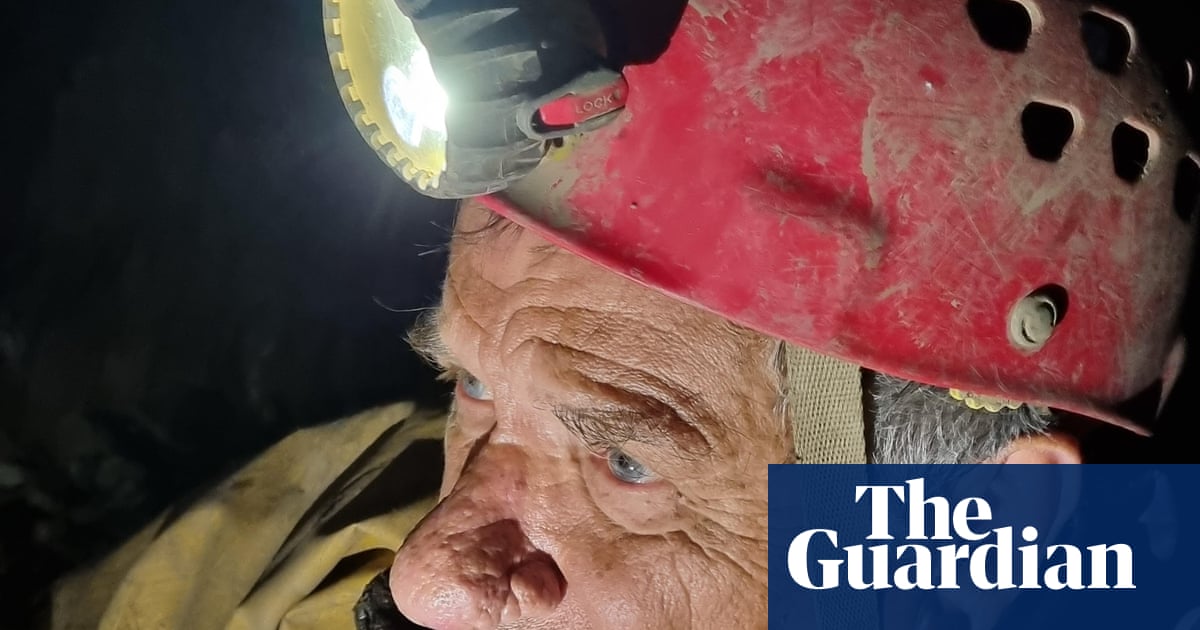
Yeadon, who has died aged 75, was one of Britain's pioneering cave divers, a discipline that barely existed when he began exploring it in his early 20s. He wasn't just an adventurer who ventured into unexplored passages; he was an innovator who refined diving techniques and developed new equipment that pushed the boundaries of what was physically possible underground. His work mapped previously unknown routes through some of the world's most treacherous submerged passages, leaving a legacy that transformed the sport and revealed the hidden geography beneath northern England.
Born in Skipton, North Yorkshire, Yeadon's fascination with caving began at grammar school, where his teacher David Heap led summer expeditions into unexplored caves. But it was cave diving — the merging of caving with the technical challenges of underwater navigation — where Yeadon found his true calling. Beyond technical mastery, he possessed an explorer's eye for discovery. With Statham, he found the China Shop, a delicate array of straw-like stalactites beyond a long sump at Boreham cave in Littondale. The two also discovered Chamber 24 in Somerset's Wookey Hole complex. To fund their expeditions, Yeadon and Statham had set up a pottery business together in Skipton, turning their craft into a means to chase their passion underground.
The 1979 dive brought Yeadon and Statham brief stardom, but tragedy followed. Shortly after their televised triumph, Statham took his own life, leaving Yeadon devastated and without a diving partner. By the early 1980s, while working as a gas fitter and plumber, Yeadon formed a new diving alliance with Geoff Crossley, a fire service officer. Together, they achieved what many had sought: they found the long-lost link between Gaping Gill, a massive open shaft on Ingleborough Hill, and Ingleborough Cave in the valley far below. But their most remarkable feat came in 1991, when they completed a traverse of more than 3 kilometres through the flooded tunnel between King Pot and Keld Head — a world record at the time. The dive required decompression stops because of its great depth and took more than six hours. It remains the longest cave dive traverse ever undertaken in the UK and has never been repeated.
Even into his 70s, Yeadon remained restless. He served as president of the Cave Diving Group from 2003 until his death and was awarded the British Empire Medal for services to cave diving in 2020. Twice a week, he continued searching for new caves as part of an informal group he called "the chums." Despite his adventurous spirit, he was a devoted family man, married to Deborah Whinray from 1983 until her death in 2008. He is survived by their daughters, Elizabeth and Emily, and Deborah's daughter Sarah. Yeadon's life reminds us that exploration — pushing into the unknown, refining technique, and returning to the work again and again — is not the province of the young alone. It is a calling that can sustain a person through decades, turning them into a guide for those who follow.