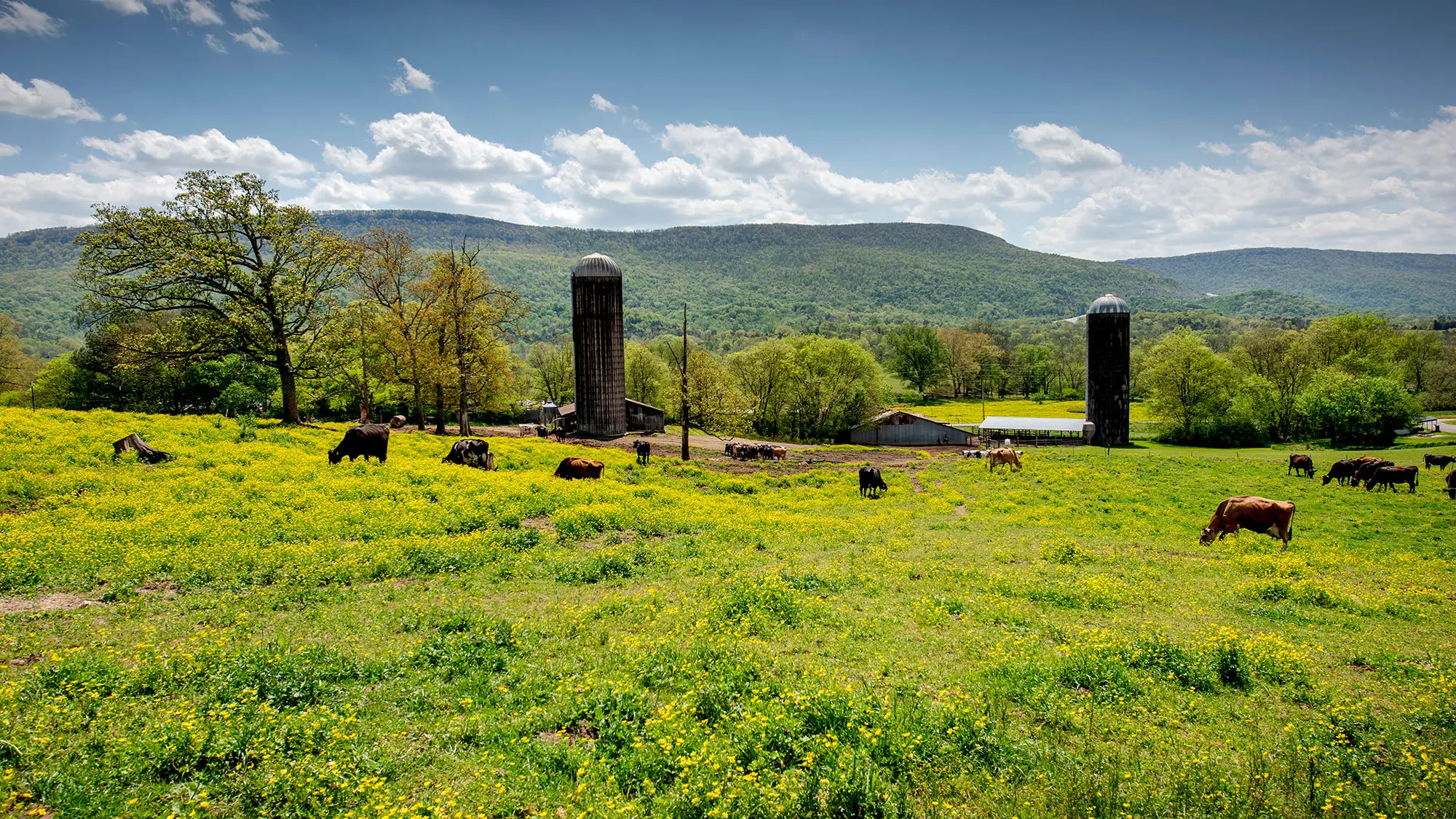
Russ Moon’s boots are dusted with Georgia red clay as he walks the edge of a soybean field on his family’s 1,000-acre farm in Madison County, land his ancestors have tilled for over a century. Just beyond the tree line, new homes rise where corn once grew. "Selling the land is really not an option," he says. "I intend on remaining in agriculture for as long as possible." But with developers offering eye-watering sums and farming’s razor-thin margins, Moon knows the pressure could one day force his hand — not because he wants to sell, but because he has to. That’s where Georgia’s new Farmland Conservation Fund comes in, a $2 million state initiative designed to help farmers like Moon protect their land from development while keeping it in agriculture.
Agriculture is Georgia’s largest economic engine, yet the state could lose 800,000 acres of farmland by 2040 — about 10% of its current agricultural land — to housing, warehouses, and data centers. The new fund, established in 2023 and funded for its first year in 2024, supports conservation easements that allow landowners to sell the development rights to their land while retaining ownership and the right to farm. The state covers half the easement cost, with the rest matched by land trusts, local governments, or federal programs like the USDA’s $450 million annual conservation funding. Though Georgia joins 30 other states with similar programs, its funding lags behind leaders like Florida, which allocated $300 million in 2022.
The fund’s timing is critical. Transition land — property shifting from rural to developed use — sold for as little as $6,000 per acre to as much as $260,000 per acre in 2025, according to Saunders Land. While easements typically pay less than outright sales, they offer a financial lifeline without sacrificing a family’s legacy. Moon already placed part of his farm under easement in 2019 through a private land trust, but the new state program aims to scale that success. "It’s a compelling alternative to our farming landowners that are feeling a lot of financial crunch and are just being inundated with offers for selling out," said Katherine Moore, president of the Georgia Conservancy, which helped champion the fund.
The first round of applications closed in May 2024, with results expected in August. If approved, projects will be reviewed by a new advisory council designed to coordinate funding and ensure long-term stewardship. For farmers like Moon, the fund isn’t just about money — it’s about continuity. "There may be a day where they have to sell, but I don’t want the land to be developed," he said. "That’s my desire, that’s my family’s desire."
With agriculture under siege from sprawl, Georgia’s modest but meaningful step could help preserve not just soil and crops, but generations of rural identity — one farm at a time.