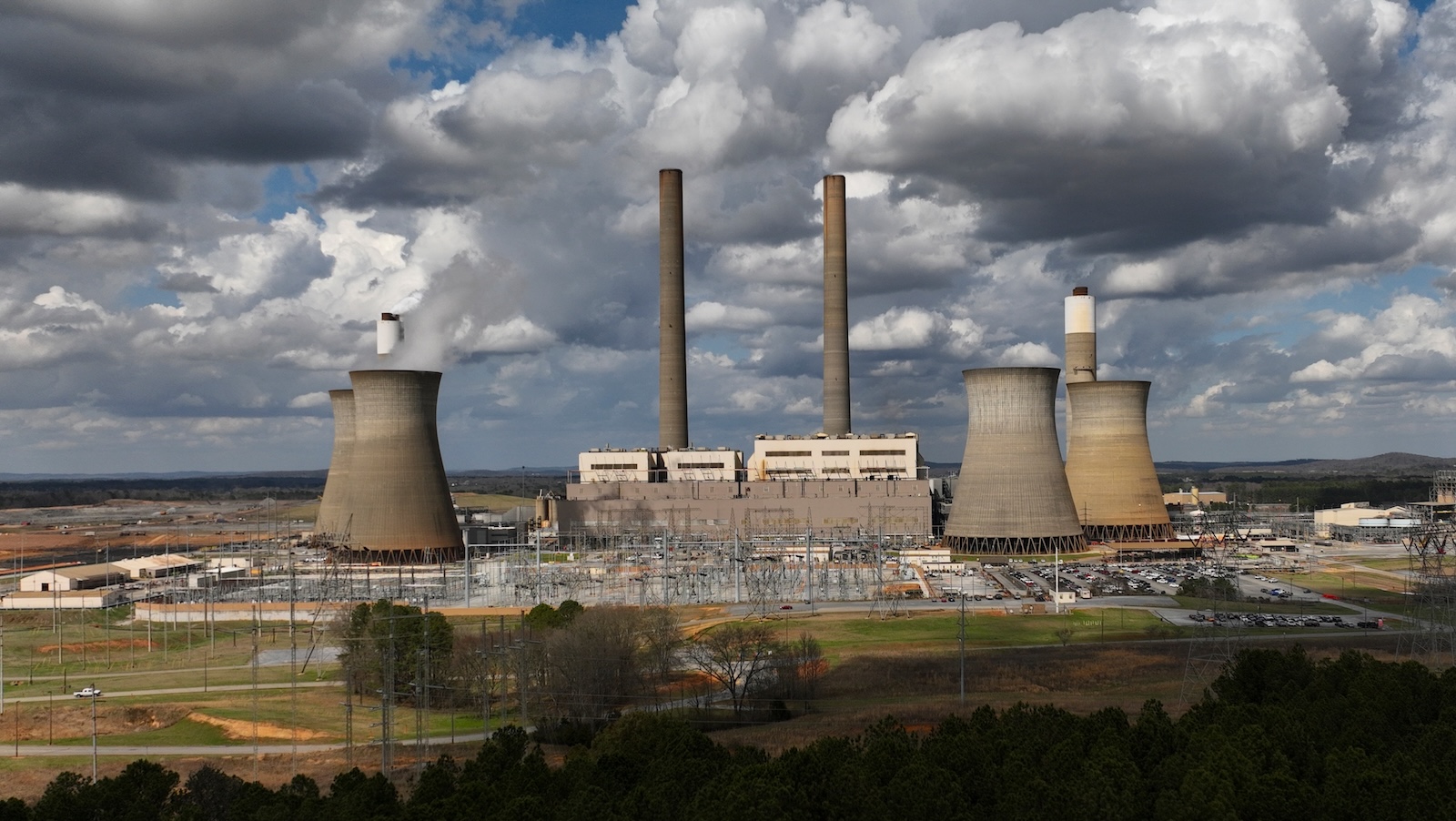
Georgia voters are claiming a rare power: the chance to elect the people who decide how much their electricity costs. Only ten states allow citizens to directly elect their utility commission, and Georgia is one of them. That five-member Public Service Commission has final say over rates for millions of Georgians and, crucially, shapes how the state generates electricity. Since those decisions ripple into which power plants get built and expanded, the PSC's votes directly write Georgia's climate future.
For nearly two decades, Republicans held every seat on the commission. Then in last year's elections, Democrats Peter Hubbard and Alicia Johnson won upset victories that shifted the balance and made it harder for Georgia Power to have its proposals automatically approved. Those wins sent shockwaves across the country: in Arizona, national activist groups mobilized around utility commission races; in Alabama, lawmakers scrambled to overhaul their commission structure specifically to shield it from the possibility that voters might oust Republicans.
On Tuesday, Georgia held primary elections for two PSC seats. November's general election will be the Democrats' next chance to win a majority on the commission—a threshold that could open the door to more renewable energy development and tougher scrutiny of Georgia Power's expansion plans.
In District Five, Democrat Shelia Edwards won the primary outright, defeating Craig Cupid and Angelia Pressley. "I'm running to be that third vote that's gonna help them change the trajectory of the PSC," Edwards said before the primary. "And to bring some balance to something that's been completely imbalanced for years." Republicans Bobby Mehan and Josh Tolbert will face a June 16 runoff, with Libertarian Thomas Blooming also on the November ballot.
All three leading candidates say they support clean energy, though the Republican hopefuls drew a distinction: neither Mehan nor Tolbert backs a renewable energy mandate. Tolbert, an engineer with experience across multiple types of power plants, framed the PSC as an enforcement body, not a policy-making one. "I do not think there is a place on the commission for advocates," he said. Mehan, meanwhile, pitched his business acumen as the solution and described himself as an "all the above energy guy" who backs gas and nuclear alongside renewables.
Control of the commission will also hinge on Peter Hubbard's District Three race. Last year's election was only for a one-year term, so Hubbard is now running for a full six-year seat. He ran unopposed in the Democratic primary, but the Republican race remained too close to call Wednesday afternoon: Fitz Johnson led primary opponent Brandon Martin by fewer than 3,000 votes, within recount margin. Johnson has staked out distinct ground on data center expansion—a simmering issue as more facilities arrive in Georgia and Georgia Power commits billions to new infrastructure to serve them. Unlike most candidates, Johnson argues the commission has already done enough to protect ordinary ratepayers from those infrastructure costs.
That debate has real stakes. In December, before the new Democratic commissioners took their seats, the five Republicans voted unanimously to approve Georgia Power's plan to add 10 gigawatts of energy capacity, most powered by natural gas. When advocacy groups asked the commission to reconsider—arguing the plan would generate more electricity than Georgia Power's own forecasts required—the newly seated Democrats voted to reopen the question. It failed. All three Republicans voted no.
November will test whether Georgia voters want to shift that balance again.