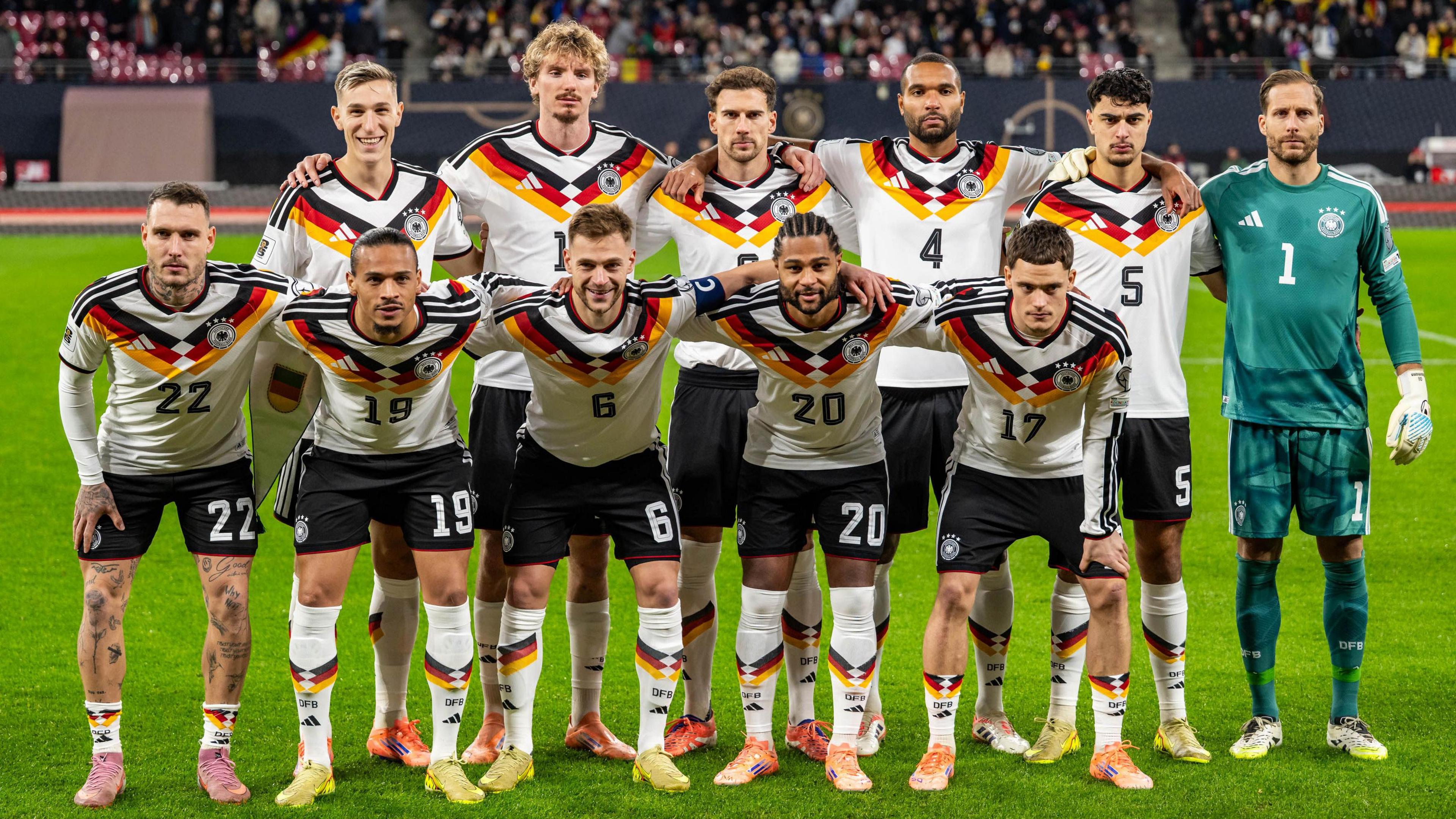
Captain Joshua Kimmich looked at his wallet, then at his teammates, and made a decision that would unlock the turnstiles for 600 German fans who couldn't otherwise afford to reach MetLife Stadium. On June 25, 2026, as Germany faced Ecuador in their final World Cup group match in New Jersey, those supporters would ride free buses funded entirely by the players—a quiet act of defiance against what had become the tournament's most aggravating problem: astronomical transport costs that threatened to lock working fans out of the greatest sporting spectacle on Earth.
The numbers tell the story of how dramatically things had shifted. Train tickets from central New York to the stadium in New Jersey normally cost $12.90. During the World Cup, they jumped to $150—a twelvefold increase that made fans gasp. Even after public outcry forced a reduction, tickets remained at $98, still nearly eight times their regular price. Shuttle buses told a similar tale: $80 initially, later reduced to $20, but still far beyond what casual supporters could justify spending alongside already-expensive match tickets, accommodation, and food.
This wasn't supposed to happen. The United States had formally committed in its 2018 host agreement to provide free transport to stadiums and fan zones, mirroring what fans had enjoyed at the World Cups in Russia and Qatar. For years, supporters planning their trips believed that promise was locked in. But in 2023, FIFA and the host agreed to a quiet revision: supporters would now be "charged at cost value." When New Jersey Governor Phil Murphy was asked about the spike, he pointed directly at FIFA's refusal to subsidize transport expenditure—suggesting the governing body had effectively washed its hands of the problem.
That's where Kimmich and his teammates stepped in. "In light of the high cost of bus and train travel in New York during the World Cup, the German national team players have organised free transport to the final group match for 600 fans," announced the German FA. The statement was matter-of-fact, almost understated, but the gesture was unmistakable: when systems fail fans, athletes can choose to fill the gap.
For 600 supporters, the impact was immediate and profound. They could now make the journey without doing arithmetic that felt like choosing between the World Cup and rent. They could bring their children. They could go with friends. They could experience something they might have otherwise only watched through a screen.
The story also highlighted a broader tension simmering beneath the World Cup's glamorous surface. Major tournaments are built partly on the mythology that they belong to everyone—that passion and loyalty matter as much as affluence. Yet when transport costs soar beyond reach, that mythology crumbles. Players paying for fans to travel wasn't a permanent fix; it was a band-aid on a structural problem that FIFA had declined to solve. But in the context of a tournament where access had become a luxury, it was also a reminder that solidarity still exists in professional sport, and that sometimes athletes remember who actually fills the stadiums.