Germany just hit a big solar power milestone — and the numbers are pretty eye-opening. As of mid-2026, the country has installed solar panels capable of producing 124.9 gigawatts of electricity. That's up from about 118 gigawatts at the start of the year, according to the Fraunhofer Institute for Solar Energy Systems. In just the first six months of 2026, Germany generated 43.2 terawatt hours of electricity from sunshine alone.
To put that in perspective: that much solar power made up 18.2 percent of Germany's total electricity during that period. That's nearly one out of every five units of electricity the country used coming from the sun, up significantly from the year before.
The growth didn't happen by accident. For years, Germany has supported solar energy through policies that encourage both big solar farms and millions of rooftop panels on homes and businesses. That combination has made solar a central part of how Germany powers itself. Analysts say this kind of rapid deployment can reshape an entire energy system while also helping the environment and the economy.
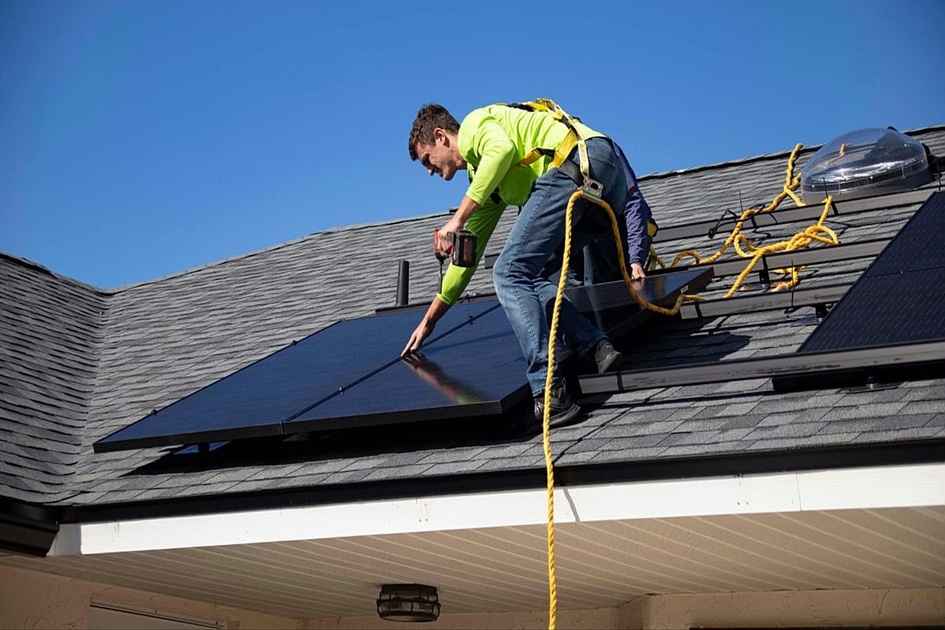
The effects go beyond just clean electricity. More solar means cleaner air, less carbon pollution, and less need for imported fossil fuels from other countries. For German households and businesses that have installed rooftop panels, they're now helping power their own communities directly. This idea of distributed renewable energy — where regular people contribute to the energy transition — is becoming a bigger part of the story.
Germany's progress offers a real-world example for other countries trying to move away from fossil fuels. It shows that big transformation is possible when governments set ambitious goals, invest in clean power, and get the public involved. As energy costs rise and climate pressures mount worldwide, Germany's solar boom suggests the shift to renewable energy doesn't have to stay an ambition — it can become reality.