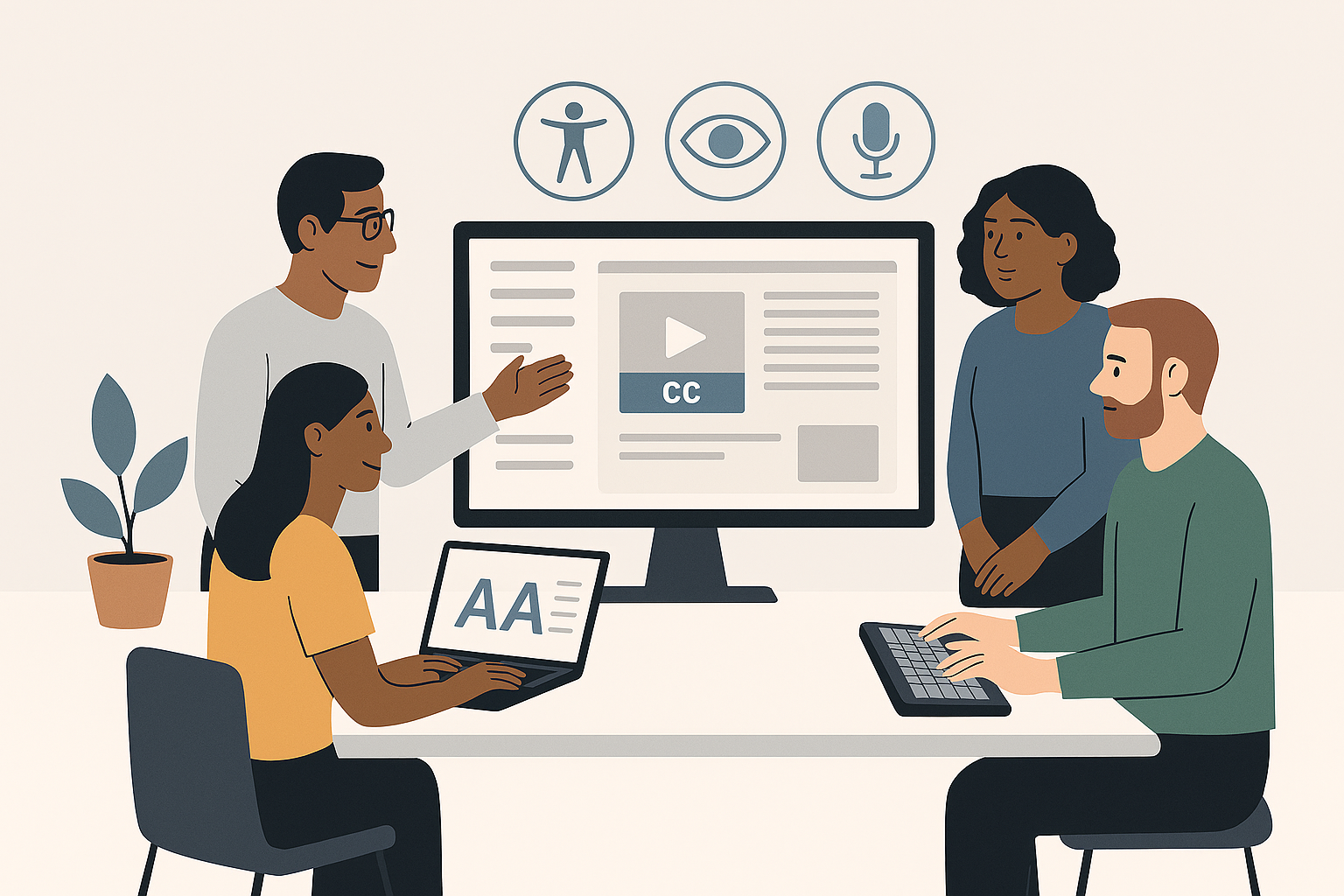
From May 18 to 21, UK government departments are opening their doors to free training on accessible digital services—a week-long event that coincides with Global Accessibility Awareness Day and brings together public sector staff at every level of experience to learn how to design, develop and deliver digital services that work for everyone.
Digital Accessibility Week 2026 is a cross-government online initiative that recognises a fundamental truth: accessibility isn't a specialist concern—it's a foundation for better services. The timing matters. This year's focus on designing, developing and delivering accessible digital services aligns with the global conversation about why inclusion matters. For anyone working in the UK public sector, from content designers to developers, service owners to policy colleagues, the week offers a rare chance to build practical skills without leaving their desks.
The schedule is expansive and carefully designed for varying levels of expertise. The Home Office opens Monday with an interactive Introduction to Accessibility that covers the basics of how and why inclusive design matters, requiring no prior knowledge. Later that morning, the Department for Work and Pensions (DWP) dives into assistive software, unpacking screen readers, magnifiers and voice recognition tools—the technologies that make digital services usable for people with disabilities. The Government Digital Service rounds out Monday with a session on WCAG 3, the emerging Web Content Accessibility Guidelines that will shape digital services for years to come.
Tuesday's sessions dig deeper into the practical and philosophical dimensions of accessibility. The DWP explores how HTML markup relates to accessibility for non-coders. His Majesty's Revenue and Customs (HMRC) runs parallel sessions on designing with autistic people, conducting inclusive user research, and digital media literacy—revealing how accessibility drives innovation rather than constraining it. The Ministry of Justice challenges the premise that accessibility is mere compliance, arguing instead that designing for diverse access needs creates better products for everyone. The Student Loans Company offers hands-on training in accessibility testing for beginners, using tools like WAVE and simple keyboard testing to identify barriers.
By Wednesday, the focus shifts to real-world application. HMRC and Lloyds Bank examine how accessible design empowers people and families in financial services. The Department for Environment, Food & Rural Affairs presents an unexpected lens: accessibility in video game design, where innovation born from the challenge of making games playable for blind players offers lessons for government digital services.
What makes this week distinctive is its openness. You don't need to be an accessibility specialist to join. Whether you're new to the field or already working in this space, you can attend as many sessions as you like across the four days. Sign-ups use work email addresses and sessions are hosted online across multiple government departments—no travel required, no cost involved.
The underlying message is clear: building accessible services isn't an add-on or afterthought. It's a way of working that benefits everyone and reflects how government should serve all citizens. For public sector staff ready to deepen their skills and connect with others facing similar challenges, Digital Accessibility Week offers a concrete opportunity to move from good intentions to practical capability.