In the quiet hills of Celada Fusión, a village in northern Spain that once faced slow decline, children now splash in a new swimming pool and elders ride a free taxi to medical appointments—all made possible by the whir of nearby wind turbines. This is not a utopian dream but the tangible reality of community-powered wind energy across Europe, where local residents aren’t just bystanders in the energy transition—they’re shareholders, decision-makers, and beneficiaries.
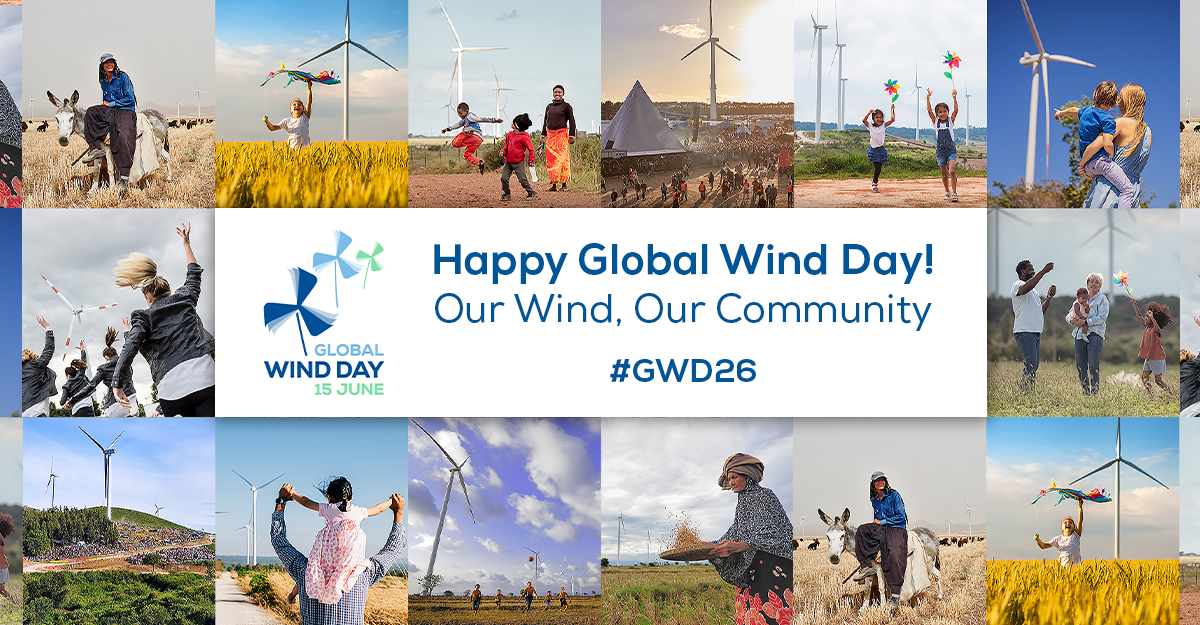
As Global Wind Day 2026 marks a celebration of homegrown energy, WindEurope is shining a light on how wind farms are revitalizing towns, funding schools, and strengthening local democracy. From Spain to France and beyond, communities are proving that when people have a stake in renewable projects, support grows, delays shrink, and benefits multiply. The secret? Participation models that are as diverse as Europe itself—ranging from co-ownership to community funds and reduced energy bills—tailored to fit the unique needs of each region.
In Andilly Les Marais, France—a recipient of this year’s Fast and Fair Renewables Award—380 local residents pooled €1.2 million to co-own one-third of their wind farm. That local investment translates into €62,000 reinvested annually into schools and public infrastructure. Meanwhile, in Celada Fusión, revenues from the wind farm reversed decades of population loss, funding not just recreation but essential services that keep a rural community alive. These stories are not outliers. Across the continent, thousands of similar projects are quietly transforming the social and economic fabric of rural life.
The financial impact is substantial. Wind energy already contributes €2.3 billion annually in local taxes, often becoming the largest single source of revenue for rural municipalities. A typical onshore wind farm can generate tens of thousands of euros each year—money that flows directly into maintaining roads, supporting healthcare, and keeping schools open. This isn’t just about clean energy; it’s about community resilience.
Yet this success is under threat. Draft EU rules propose rigid, one-size-fits-all regulations that could duplicate or override existing national frameworks, stifle local innovation, and increase project costs. WindEurope CEO Tinne Van der Straeten warns that such overregulation risks slowing down the very transition it aims to support. "These participation models work," she says. "Let’s not overregulate them."
As Europe seeks to boost energy security and meet climate goals, the lesson is clear: the most powerful energy is homegrown—not just in turbines, but in trust. The future of wind isn’t just in the skies; it’s in the hands of the communities that host it.