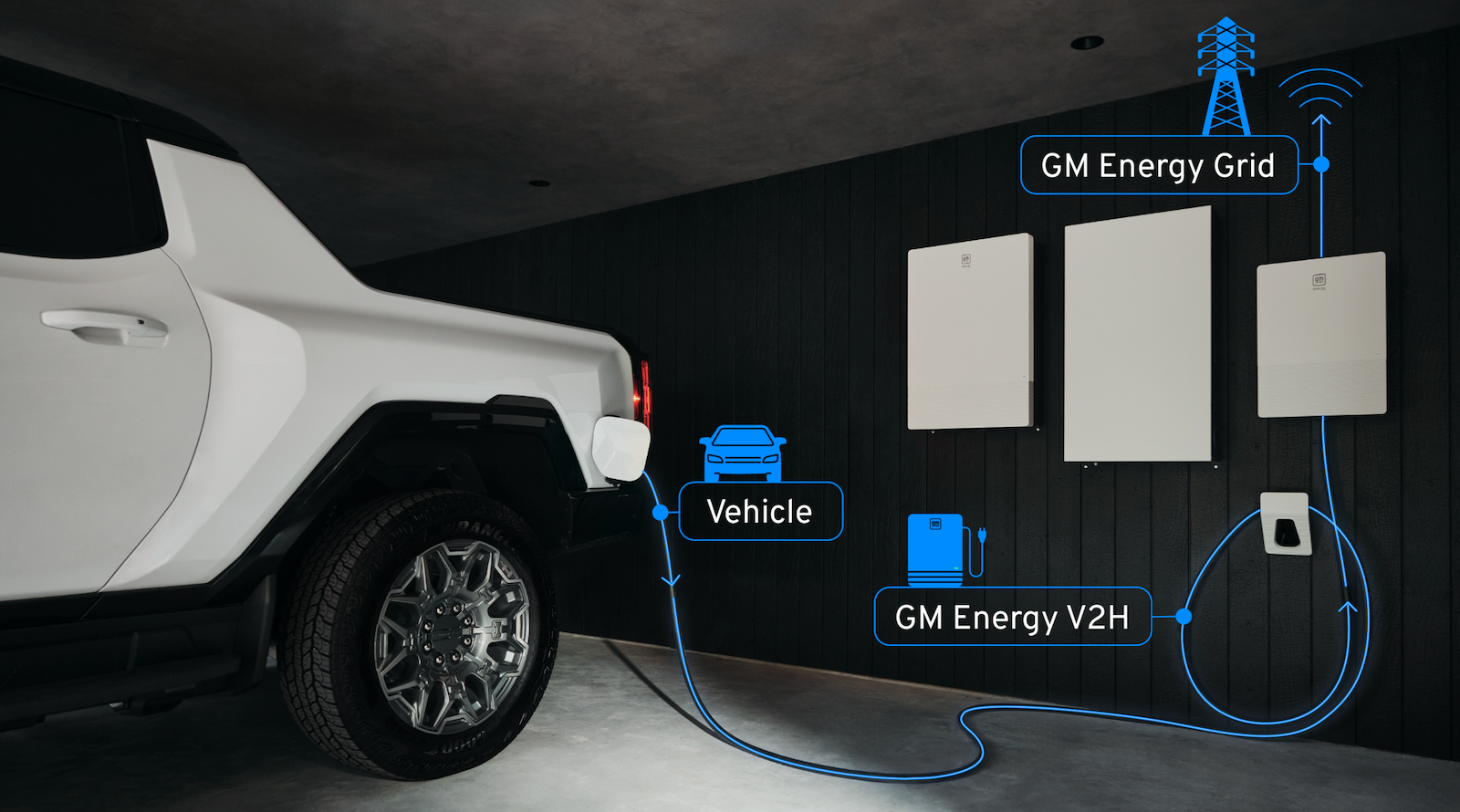
In parking lots and driveways across America, hundreds of thousands of General Motors electric vehicles are about to become a hidden grid asset—without their owners needing to buy anything new. GM just activated vehicle-to-grid (V2G) capability for existing customers nationwide, turning parked EVs into distributed energy storage that can send power back to the electrical grid when demand spikes or renewables dip. The move represents a crucial pivot in how the energy sector thinks about electric vehicles: not just as transportation, but as active participants in keeping the lights on.
The timing reflects mounting pressure on America's electrical grid. Heat waves, extreme weather, and the explosive growth of data centers are straining infrastructure designed for a different era. Meanwhile, the grid's operator workforce is aging, and traditional power plants are retiring faster than new capacity comes online. What GM is proposing isn't science fiction—it's practical infrastructure hiding in plain sight. Those vehicles parked in garages every evening represent one of the largest untapped energy storage resources the country has.
General Motors has more than 250,000 bidirectional-capable vehicles already on the road across the US, with plans to make the capability standard on all future EVs. The numbers illustrate the scale of this resource: those vehicles alone have enough combined battery capacity to theoretically power roughly 120,000 average American homes for up to a week. The International Energy Agency has called V2G technology the single largest source of hourly energy flexibility of any technology it evaluated, a designation that carries weight as grids worldwide race to integrate more intermittent renewable energy sources.
The practical rollout is already underway. With PG&E in California, GM projects over 52,000 of its vehicles participating in grid-balancing programs by 2030. In Michigan, the company is working with DTE Energy using employee homes as real-world testing grounds, building reliable backup capacity the way actual owners would use it during peak demand hours.
GM's open letter to utilities and regulators sketches out three practical pathways forward. First comes customer enrollment—simpler sign-up processes and better education about time-of-use rates and managed charging programs. Second, GM calls for modernized tariffs that actually pay EV owners for discharging power during peak periods, creating genuine economic alignment between what's good for owners and what's good for the grid. Third is removing the friction from participation itself: streamlining paperwork, engineering reviews, and interconnection requirements so owners can install bidirectional chargers and start contributing without bureaucratic obstacles.
What makes this moment significant is that the technology is already deployed. GM isn't asking utilities to wait for new hardware or revolutionary breakthroughs. The cars are parked in driveways right now, batteries full and largely idle until morning. Activating V2G capability on existing vehicles—requiring no new hardware from customers—removes one major barrier to adoption. Combined with GM's simultaneous rollout of "Energy Pass," a universal interface for public charging, the company is treating the full EV ecosystem as connected pieces rather than isolated initiatives.
The real test isn't technical but collaborative. Utilities and regulators must move quickly to adapt interconnection rules, safety protocols, and rate structures. Grid operators face a historic opportunity to tap a ready-made, distributed storage fleet at scale. GM has positioned itself to deploy that asset faster than competitors, but whether utilities can match that speed depends on how rapidly the energy sector adapts. The vehicles are ready. The grid needs the help. What remains is translating opportunity into action.