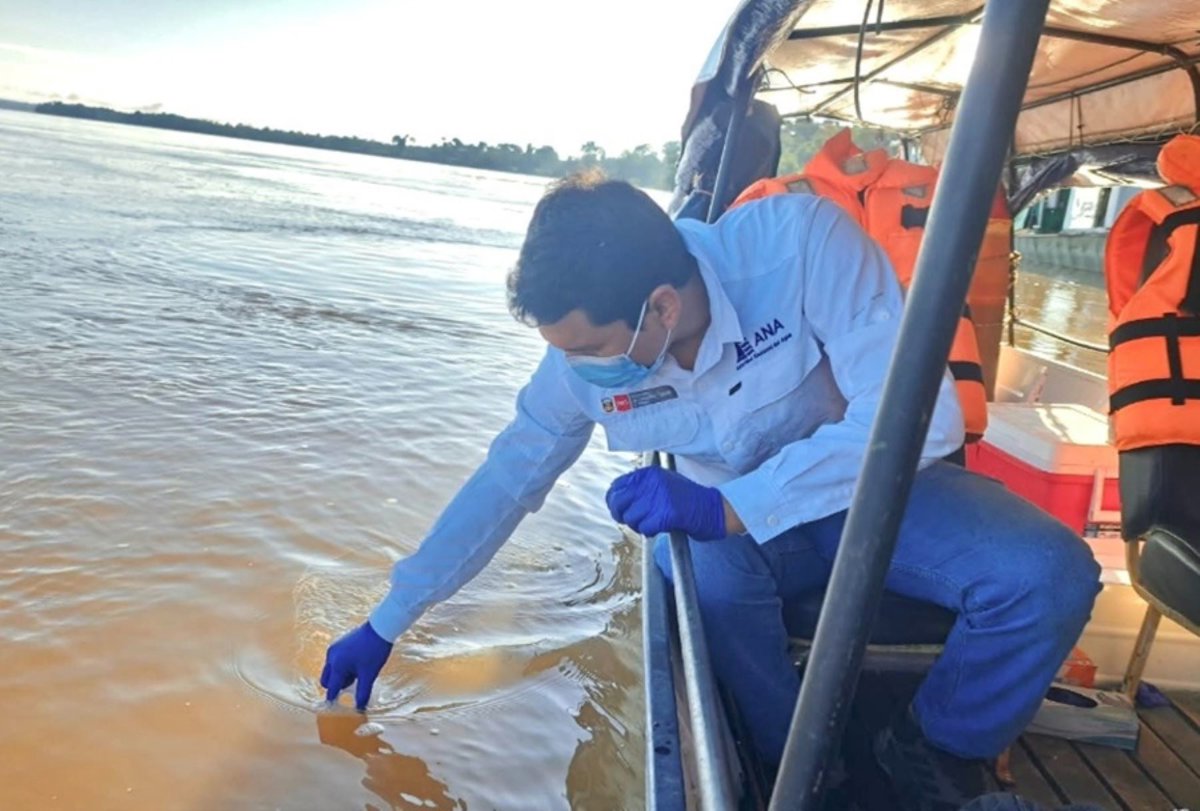
Maria Condori checks the water tank behind her home in the highlands of Puno each morning, a ritual she’s kept since her youngest child fell ill from contaminated water years ago. Now, thanks to a nationwide push, families like hers across 21 rural regions of Peru are gaining stronger protection against waterborne diseases. The Ministry of Housing, Construction and Sanitation has released over 7 million soles to improve drinking water quality — a move that will directly benefit more than 2 million people.
Clean water isn’t just about convenience; it’s a lifeline. In remote villages where clinics are hours away, a single outbreak can ripple through families and schools. That’s why this funding matters. The money, authorized under Supreme Decree 174-2026-EF, is being sent to 944 local governments to buy essential supplies for chlorinating around 13,800 drinking water systems. Chlorination is one of the most effective ways to kill harmful bacteria and viruses, and with proper monitoring, it can keep water safe from source to tap.
The supplies include 256,889 kilograms of calcium hypochlorite — the main disinfectant — and more than 2.6 million DPD test reagents, which allow local operators to check chlorine levels and ensure water remains safe to drink. These tools are being distributed across rural areas in Amazonas, Áncash, Apurímac, Arequipa, Ayacucho, Cajamarca, Cusco, Huancavelica, Huánuco, Junín, La Libertad, Lambayeque, Lima, Loreto, Moquegua, Pasco, Piura, Puno, San Martín, Tacna, and Ucayali. In each of these regions, local governments are receiving technical support from the National Rural Sanitation Program (PNSR) to include the funds in their updated budgets, speeding up the purchase and delivery of these critical supplies.
This isn’t just about fixing pipes or building infrastructure — it’s about sustaining what already exists. Many rural water systems work well but falter due to lack of maintenance or supplies. By ensuring communities have steady access to disinfectants and testing kits, the government is helping them keep their systems running safely year after year. For families who’ve long worried about every glass of water, this support brings peace of mind and better health.
As the supplies roll out and local teams are trained, the hope is that fewer children will get sick, fewer parents will worry, and more communities will thrive. With clean water becoming more reliable, rural Peru is taking a quiet but powerful step forward.