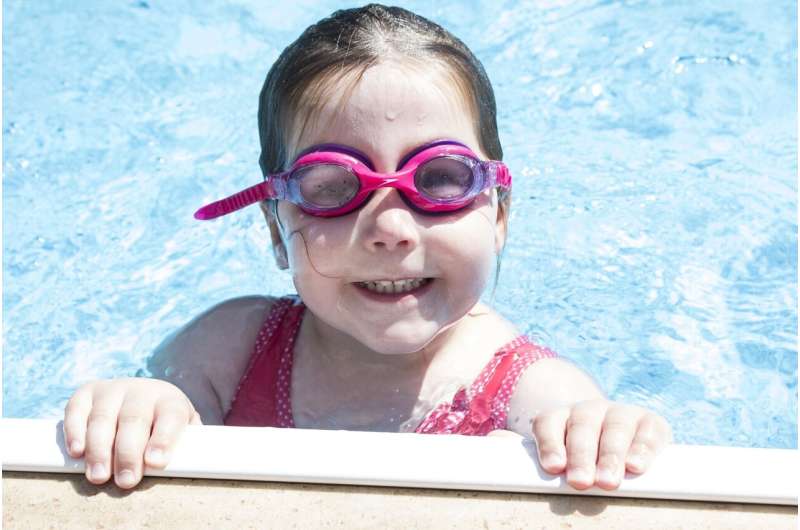
Emma Stahr remembers the first swimmer who came into her clinic with burning, red eyes after a long afternoon at the Denver public pool—no goggles, just chlorine-soaked water and summer sun. "It’s not just about comfort," says the pediatric optometrist at Children’s Hospital Colorado and instructor at the University of Colorado Anschutz Department of Ophthalmology. "Every splash carries a mix of chemicals, microbes, and UV exposure that can compromise eye health, especially in children and teens who spend hours in the water." As pool season ramps up across the Front Range, Stahr is fielding more cases of eye irritation—and offering practical, science-backed ways to prevent them.
Swimming should be refreshing, not risky. Yet pools, lakes, and oceans harbor bacteria like Pseudomonas and Acanthamoeba, which can cling to contact lenses and lead to serious infections. Chlorine, while essential for sanitation, can trigger allergic reactions that leave eyes red and itchy. And few realize that water magnifies UV exposure—sunlight reflecting off a pool surface can increase ocular UV damage by up to 100%, raising long-term risks for cataracts and macular degeneration.
Stahr’s advice starts before the first dive: wear goggles and apply sunscreen, but be mindful—sunscreen can migrate into the eyes during swimming, causing further irritation. If goggles aren’t available, avoid opening your eyes underwater and limit submersion. After swimming, rinse eyes with preservative-free artificial tears or saline solution. For those who rely on vision correction, daily disposable contact lenses paired with tight-fitting goggles are the safest bet. Monthly lenses, even when cleaned, can harbor microbes and increase infection risk. "You’re at a slightly higher risk with monthly lenses versus daily lenses," Stahr warns, citing studies on contact lens hygiene.
And after that refreshing swim? Resist the urge to rub. "Anytime you rub your eye, you can cause microtraumas," Stahr explains. Even tiny particles in the eye can scratch the cornea when rubbed, leading to pain or infection. For competitive swimmers training daily, regular eye check-ups aren’t mandatory unless symptoms arise—but vigilance is key.
The message isn’t to fear water, but to respect it. With simple precautions, families can enjoy Colorado’s pools and lakes without paying a price in eye health. As Stahr puts it: "Protection doesn’t have to be complicated—just consistent."