Doris, 73, still makes it a point to catch the new exhibit at her local art museum every month. Little does she know that her habit of getting out of the house and into cultural spaces might be keeping her body running younger than its years.
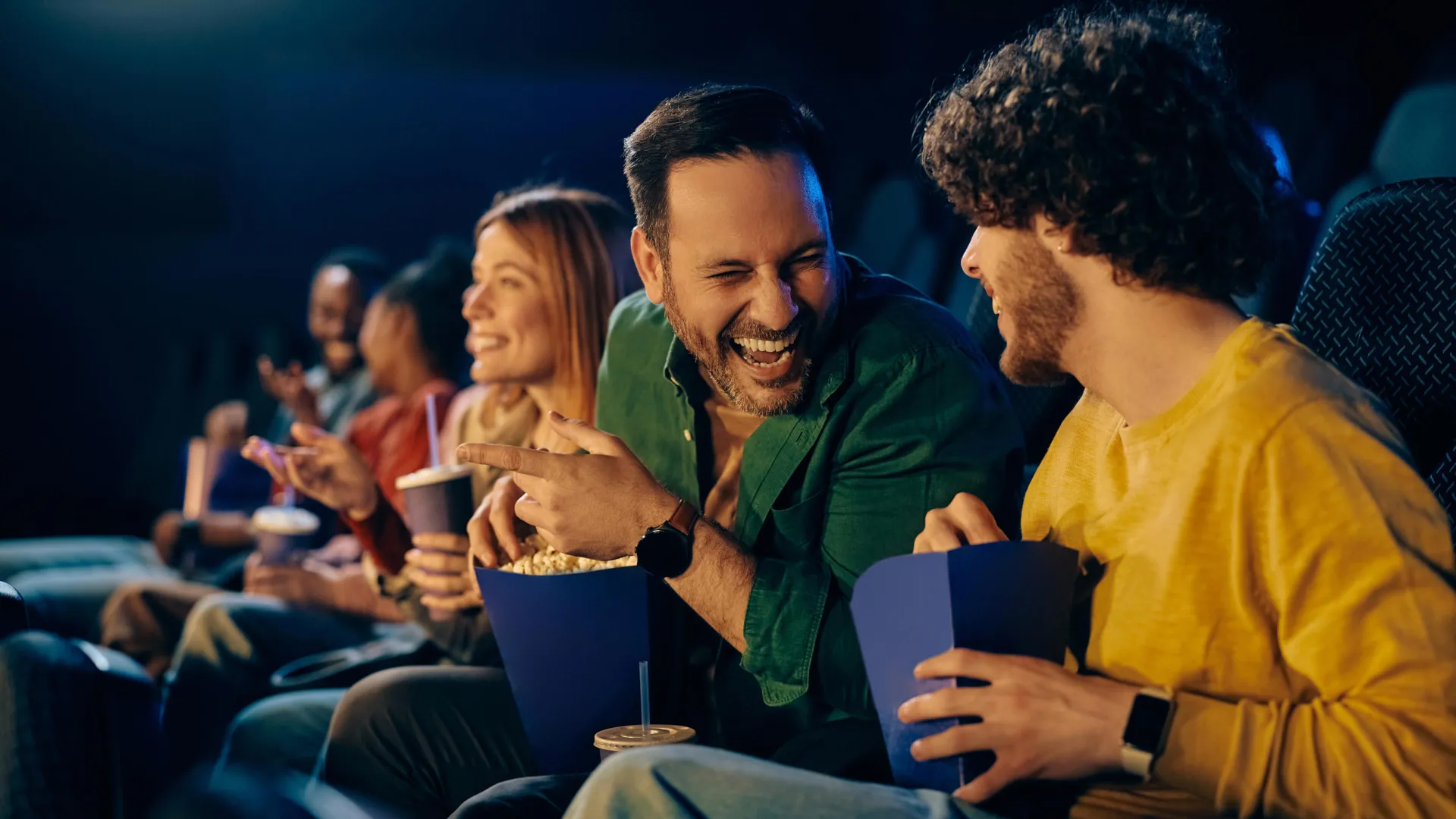
A new study from researchers at the Institute of Science Tokyo in Japan found that older adults who regularly attend movies, museums, concerts, and theater performances tend to have bodies that function about three years younger than those who don't. The researchers studied 1,899 adults aged 50 and older in England who were part of a long-running health survey called the English Longitudinal Study of Ageing.
The team didn't just ask people how they felt — they actually measured how bodies were aging. Nurses checked 10 different health markers, including blood pressure, grip strength, walking speed, and lung function. These measurements were combined to calculate a "physiological age" — essentially a measure of how well the body is actually functioning, separate from how many birthdays someone has celebrated.
People who took part in cultural activities at least every few months — things like going to the cinema, visiting a museum, or watching a live performance — had an average physiological age of 66.9 years. Those with lower participation levels came in at 69.9 years. That's a gap of nearly three years in how their bodies were operating.
The researchers then calculated that each single point increase in how often someone engaged with culture was linked to about one month less of biological aging. The findings were published in the Journal of Epidemiology and Community Health.
The study adds to growing evidence that staying socially and culturally active matters for healthy aging. The researchers suggest a few reasons why this might be true: cultural events help people connect with others, they can encourage healthier habits, and they support better mental health — all factors known to influence how we age.
Of course, the study can't prove that going to more movies literally slows aging. It's also possible that healthier people simply have an easier time getting out to attend events in the first place. But the researchers argue that cultural engagement is something we can actually choose to do more of, making it a promising option for public health efforts.
Perhaps most striking, the researchers note that the impact of cultural participation appears comparable to the benefits of regular physical activity — something doctors constantly recommend. They also suggest that making cultural events easier to reach, both geographically and financially, could help more people take part.
For now, more research is needed to see whether encouraging people to attend more cultural events actually leads to lasting health improvements over time. But if you're looking for one more reason to plan that museum trip or buy tickets to a concert, this study offers a compelling one: it might just help your body stay younger longer.