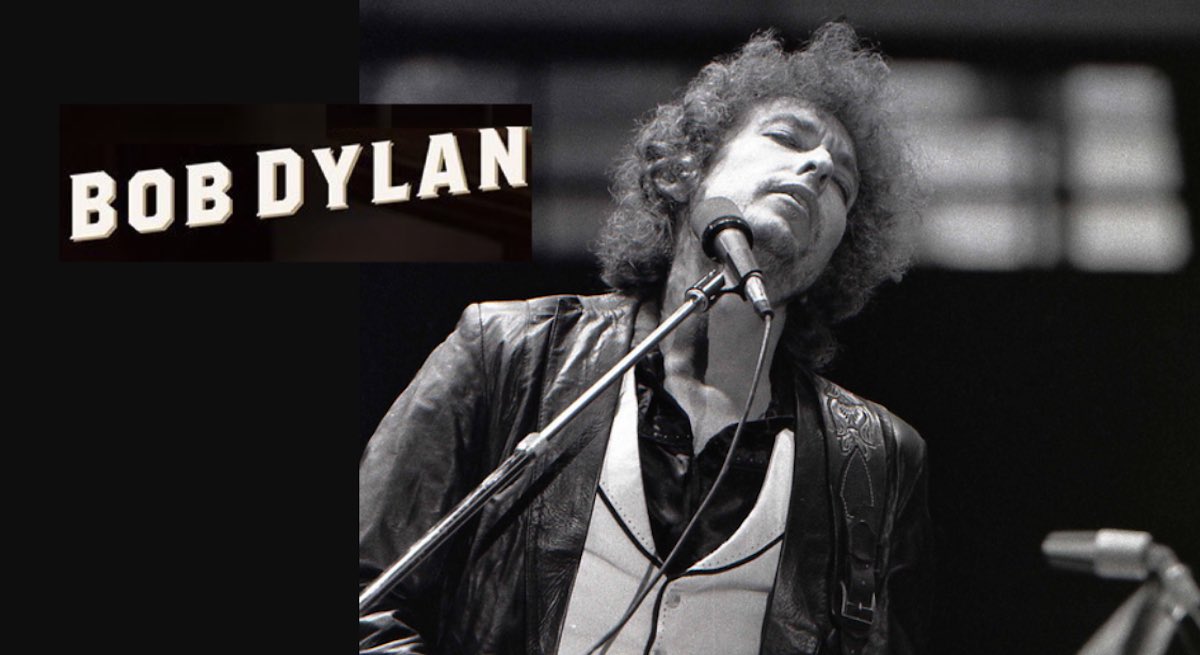
Bob Dylan turned 85 on May 24, born Robert Zimmerman in Minnesota before he renamed himself after Welsh poet Dylan Thomas—a choice that would echo through decades of American music and social conscience. The Bard of our time emerged from the folk tradition to create anthems that defined the 1960s, from "Blowin' in the Wind" to "The Times They Are a-Changin'," songs that gave voice to a nation wrestling with its deepest contradictions. But Dylan's restlessness has always been his defining trait, and his refusal to be pinned down by a single genre or role offers a remarkable model for creative evolution.
In 1965, Dylan made the move that scandalized purists and revolutionized popular music. "Like a Rolling Stone," a six-minute single that broke every radio convention of its time, went electric and rewired what pop music could be. Rolling Stone magazine's poll of music professionals later ranked it as the greatest song of all time—a verdict that speaks to its enduring cultural weight. That same fearlessness carried through his 2016 Nobel Prize for Literature, awarded not for poetry alone but for his memoir, "Chronicles: Volume One," which spent a year on the New York Times bestseller list, proving that Dylan's gift for language transcends genre.
Remarkably, at 85, Dylan remains creatively vital. In 2020, he released "Rough and Rowdy Ways," his first album of original material in eight years, including the epic "Murder Most Foul," a profound meditation on the JFK assassination. That same year, he revived his beloved "Theme Time Radio Hour" after more than a decade away, recording a two-hour episode devoted entirely to whiskey—a fitting subject for someone who had just launched his own brand, Heaven's Door. It is the mark of a life lived without compromise: a man who helped define American music, who won the Nobel Prize, and who at 85 is still willing to get behind the microphone and surprise us.
Dylan's arc mirrors another triumph celebrated on May 24: the opening of the Brooklyn Bridge in 1883, when President Chester A. Arthur and New York Governor Grover Cleveland inaugurated what was then the world's longest suspension bridge. The main span stretched 1,595.5 feet across the East River—an engineering marvel that combined cable-stayed and suspension design with neo-Gothic stone towers. Construction took 13 years and required approximately 2,500 workers total, none of whom lost their lives despite the extreme danger of digging caissons filled with compressed air and hoisting massive quarried stone blocks via pulley systems. The bridge cost what would equal roughly $500 million today, a debt so substantial that bonds used to finance it were not repaid until after World War II. The project was a family affair: John A. Roebling designed it, his son Washington Roebling oversaw construction, and Washington's wife, Emily Warren Roebling, managed the project when her husband fell ill. The Brooklyn Bridge stands as a testament to human ambition and collaborative vision—much like Dylan's own legacy, which has always been about connecting people across difference and distance.