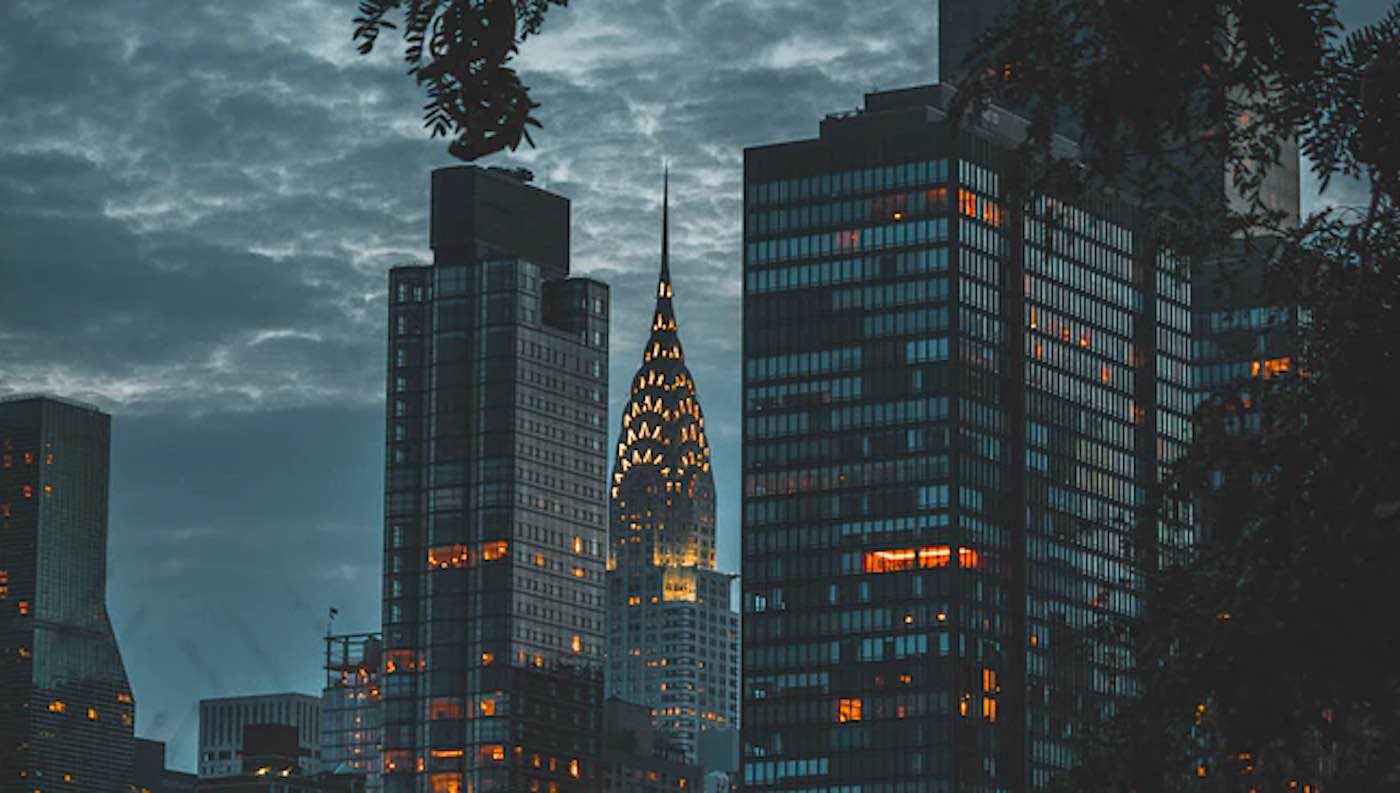
When Walter Chrysler's Art Deco masterpiece crowned Manhattan's skyline on May 27, 1930, it didn't just become a building—it became a beacon of ambition that would revitalize an entire neighborhood. The Chrysler Building rose 1,046 feet into the New York sky, claiming the title of world's tallest building for 11 months before yielding to the Empire State Building. Yet it retained a distinction no other skyscraper can claim: it remains the tallest building ever constructed entirely of brick.
The vision behind the tower reveals the tension between corporate ego and architectural artistry. William Van Alen designed a modernist crown, but Walter Chrysler, the automotive magnate who commissioned the headquarters for his company, had other ideas. He insisted on a more dramatic finale—a stainless steel-covered sunbeam crown with triangular windows arranged in a terraced, pointy spire that would catch the light like a gleaming piece of jewelry. The result feels almost audacious: eight polished steel eagle heads perch on the 61st floor's corners, styled like hood ornaments, while replicas of 1929 Chrysler radiator caps adorn the 31st floor, celebrating the corporation's engineering heritage.
The building's arrival could not have been better timed. The East Side of Manhattan was languishing when the Chrysler Building opened its doors, and the skyscraper became the catalyst for neighborhood transformation that would extend into the 1950s. Its architectural splendor attracted tenants and investment, signaling that the area was a place of forward momentum and possibility. The Art Deco style itself was reaching peak popularity in America, and this building became one of its most celebrated expressions—a style that would define how millions of people imagined the future.
More than 90 years later, the building's iconic status has only deepened. In 2007, the American Institute of Architects ranked the Chrysler Building ninth on its List of America's Favorite Architecture, a recognition that speaks to its enduring appeal across generations. The eagle heads still gleam, the sunburst crown still commands attention, and the building continues to define the Manhattan skyline in photographs and skyline views from around the world.
What makes the Chrysler Building remarkable isn't just its height or its materials or even its distinctive crown. It's that a privately funded corporate headquarters, built for a single company during a moment of economic uncertainty, became a permanent symbol of human ambition and aesthetic possibility. It showed that commercial success and architectural beauty didn't have to be separate pursuits. Today, the building stands as a reminder that sometimes the boldest visions, backed by determination and artistry, can lift up not just a structure but an entire neighborhood—and etch themselves permanently into a city's identity.