Sophia Chen, a graduate student at Stanford University, once faced a tough choice at a coffee shop: take a free pastry now or wait fifteen minutes for a fresher batch. Most people grab the immediate treat. But Chen and her research team wondered why — and whether something as simple as mindfulness could change that impulse.
The answer, according to a new study from Stanford, might be surprisingly simple: our brains do not really hate the future. They hate waiting.
Delayed gratification — choosing a bigger reward later instead of a smaller one now — has long been framed as a battle between our smart future selves and our impulsive present selves. Think of the famous marshmallow test, where children who waited for two treats tended to fare better as adults. But a 2024 study found that once you account for children's home lives and backgrounds, how long they waited barely predicted adult outcomes at all. This made the Stanford team ask a new question: maybe the problem is not weak willpower. Maybe it is how waiting feels.
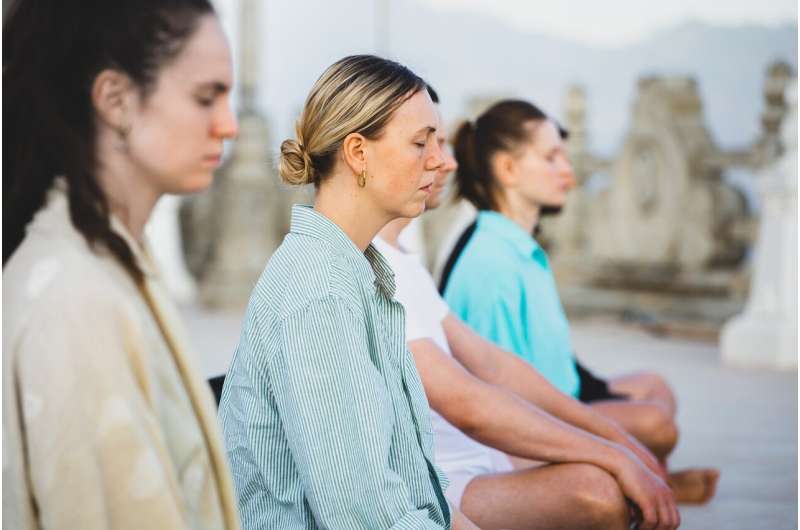
Unlike money, time feels different depending on our mood and surroundings. Five minutes in a slow grocery line can crawl by, while an hour scrolling on a phone vanishes in seconds. The researchers suspected that mindfulness — paying close attention to breathing, sounds, and bodily sensations in the present moment — might stretch that subjective experience of time.
To test this, the team ran six separate studies. In one, people attending a mindful walking class faced a choice: a five-dollar gift card today or a ten-dollar card in one week. Before the walk, only thirty-six percent chose to wait. After it, sixty-nine percent did.
The effect showed up in a San Francisco bakery too. Customers who watched a brief mindfulness video before ordering chose the larger coupon two weeks away seventy-eight percent of the time. Shoppers who watched a regular food video chose it only half the time.
When the researchers stretched the waiting period from three months to six months, people who had not practiced mindfulness gave up and chose smaller immediate rewards. Those who had watched the mindfulness video kept choosing the bigger future payoff at the same rate.
Surprisingly, mindfulness did not change how people judged the size of rewards — only how they felt about the wait itself. After watching the video, people genuinely felt like they had more time ahead of them, making the future feel closer and delays feel less painful.
The researchers say this matters in a world built for instant gratification. Buy-now-pay-later schemes, one-click shopping, and endless scrolling train us to see any delay as something broken. A simple breathing exercise might counteract that, helping people save more, stick with long-term goals, or hold out for a better deal.
Of course, not every delay is worth it. But for the everyday choices where patience actually pays off, a few minutes of purposeful attention might be all it takes to make the future feel like a place worth waiting for.