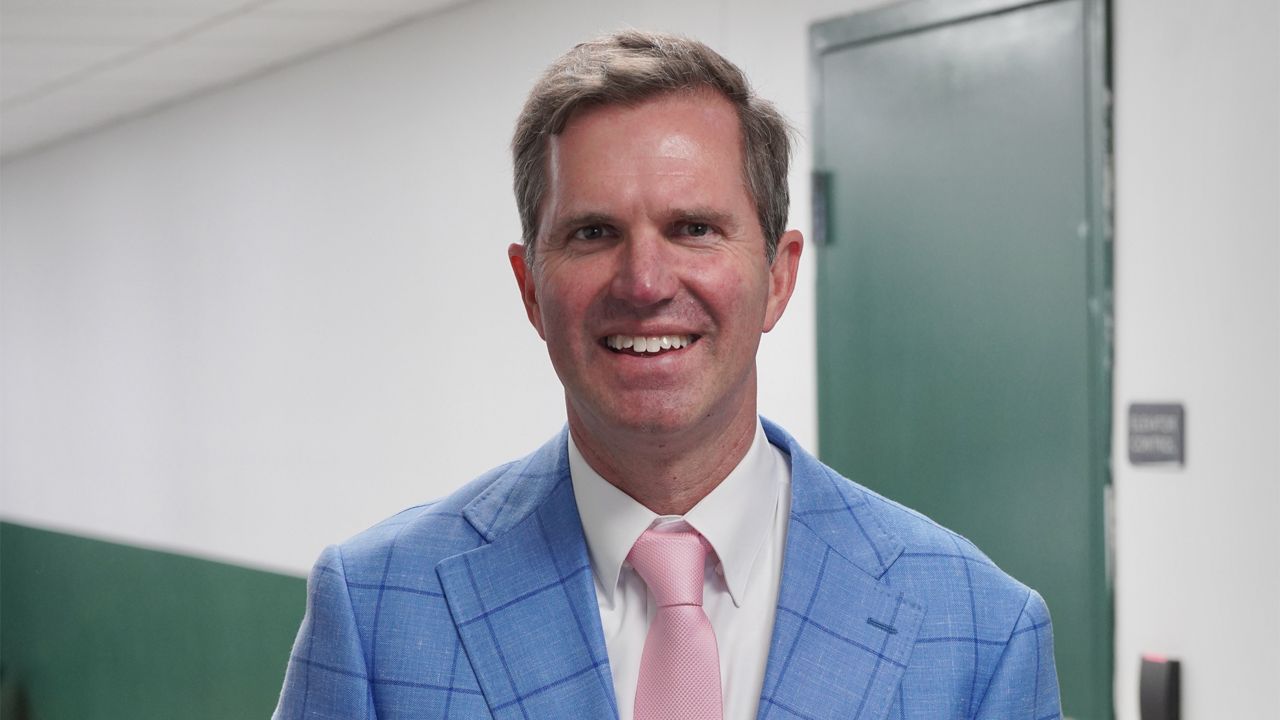
When Global Laser Enrichment announced its $1.76 billion Paducah Laser Enrichment Facility, it marked the single largest investment in Western Kentucky history—and a signal that something significant is shifting in the state's economy. Governor Andy Beshear's office unveiled the investment alongside four other major projects this spring, capping off Kentucky's best first quarter on record for economic growth. Together, these announcements tell a story of a state deliberately building an economy where workers can earn dignity and families can thrive.
The scale is striking. Kentucky approved more than $7 billion in projects through April alone, part of a larger wave that has brought over $50 billion in investment to the commonwealth and created more than 70,000 new jobs. What matters most is not just the size of these numbers but what they mean for people's lives. The Paducah facility, for instance, will create 240 positions paying $62 per hour with benefits—well above minimum wage and the kind of wage that allows someone to build a future. At a regional campus being built by Averitt in Bullitt County, jobs average $43.60 per hour. Green Energy Parks' new agricultural waste-to-energy facility in Arlington will offer positions starting at $105 per hour, including benefits—wages that reflect the specialized skill and value these workers bring.
The breadth of these investments reveals deliberate diversification. Global Laser Enrichment's uranium enrichment work brings advanced manufacturing to Western Kentucky. Toothsure's dental supply operation in Perry County represents healthcare-adjacent industry. Averitt's regional campus expands logistics infrastructure in Bullitt County. Green Energy Parks taps into the growing agricultural waste-to-energy sector. ARMOR-IIMAK's Boone County expansion strengthens existing industrial capacity. Rather than betting everything on a single sector, Kentucky is weaving multiple industries into its economic fabric.
What stands out most is the wage picture. Kentucky has reached its highest three-year average for new wages in state history. The average wage for projects approved in 2025 was just under $30 per hour, with the incentivized wage average rising to $31.50 through April 2026. These numbers suggest the state is attracting not low-wage call centers or distribution warehouses, but genuine manufacturing, energy, and innovation work. This represents a departure from economic development models that pit states against each other by racing to the bottom on labor costs.
The timing matters too. These announcements come amid national economic uncertainty, with the Beshear administration framing Kentucky's growth as countercyclical—happening as the broader economy grapples with inflation and what the governor called "bad policy decisions." Whether that political characterization holds up is beside the point. What's clear is that Kentucky is managing to attract sustained, significant investment across multiple sectors while maintaining and improving wage standards.
The pipeline suggests this momentum will continue. Recent years have brought Ford's multibillion-dollar investments in Louisville and Hardin County, AESC's $2 billion battery plant in Warren County, Shelbyville Battery Manufacturing's $712 million project, and Toyota's $1.3 billion investment in Scott County. These anchor projects create ecosystems that attract suppliers, service providers, and complementary businesses—multiplying their economic impact far beyond the initial investment figure.
For a state that has long faced the challenge of retaining young talent and building sustainable opportunity, this represents genuine progress. The question now is whether Kentucky can build on this momentum while ensuring these jobs and investments reach all communities, not just those closest to major hubs.