Think of nearly seven million football fields' worth of tired, worn-out land. That's the scale of the rescue mission the United Nations just kicked off — and it's happening in some of the driest, toughest corners of the planet. In late August 2026, at a big climate gathering called UNCCD COP17 in Mongolia, the UN crowned three new "World Restoration Flagships" in Brazil, the Sahel region of Africa, and Saudi Arabia. Together, the projects promise to bring almost 5 million hectares of degraded land back to life by 2030.
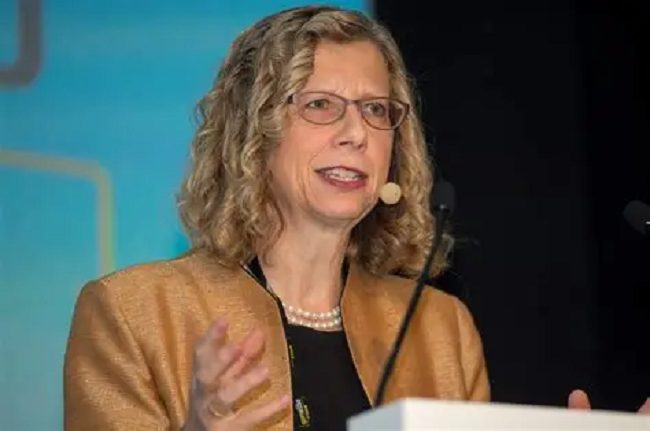
Why should anyone care? Because healthy soil is what grows our food. The UN's environment chief, Inger Andersen, put it plainly: climate change, drought, and rising tensions around the world are squeezing global food systems hard, and investing in healthy land is one of our strongest defenses. In other words, fixing the ground under our feet helps feed people, creates jobs, and makes communities tougher in the face of a changing climate.
In Brazil, the Araticium Initiative is restoring the Cerrado, the world's most biodiverse tropical savanna. More than 180 groups — Indigenous Peoples, local farmers, scientists and governments — are working across nine Brazilian states, using clever tricks like letting forests regrow naturally and collecting seeds from over 150 native plant species. By June 2026 they had already restored more than 27,000 hectares, with eyes on a vast 2 million by 2030.
Saudi Arabia's National Greening Program is aiming even bigger: 2.5 million hectares restored and 215 million trees planted by 2030, while creating up to 187,000 jobs. It's already planted 159 million trees and brought 1 million hectares under restoration. Around water-scarce lands, teams are harvesting rainwater, reusing treated wastewater, and even bringing back Arabian oryx, gazelles and ibex to wild landscapes.
And across the Sahel — the dry strip of Africa south of the Sahara — the Sahel Integrated Resilience Initiative, led by the UN World Food Programme, is restoring land while supporting people fleeing conflict, including refugees from war-torn Sudan. Working in Burkina Faso, Chad, Mali, Mauritania and Niger, it has already revived more than 335,000 hectares and pairs soil care with school feeding programmes so restoration and resilience go hand in hand.
These flagships are part of a global promise to restore one billion hectares by 2030 — an area more than twice the size of India's arable land. The message from the UN is hopeful and simple: restoration works. Every hectare brought back is a step toward a greener, more food-secure world that we can all share.